Why Madonna’s Confessions on a Dance Floor is still a slice of pure disco heaven
From ‘Hung Up’, ‘Sorry’ and ‘Isaac’, two decades on Joseph Ryan-Hicks revisits one of Madonna’s greatest albums
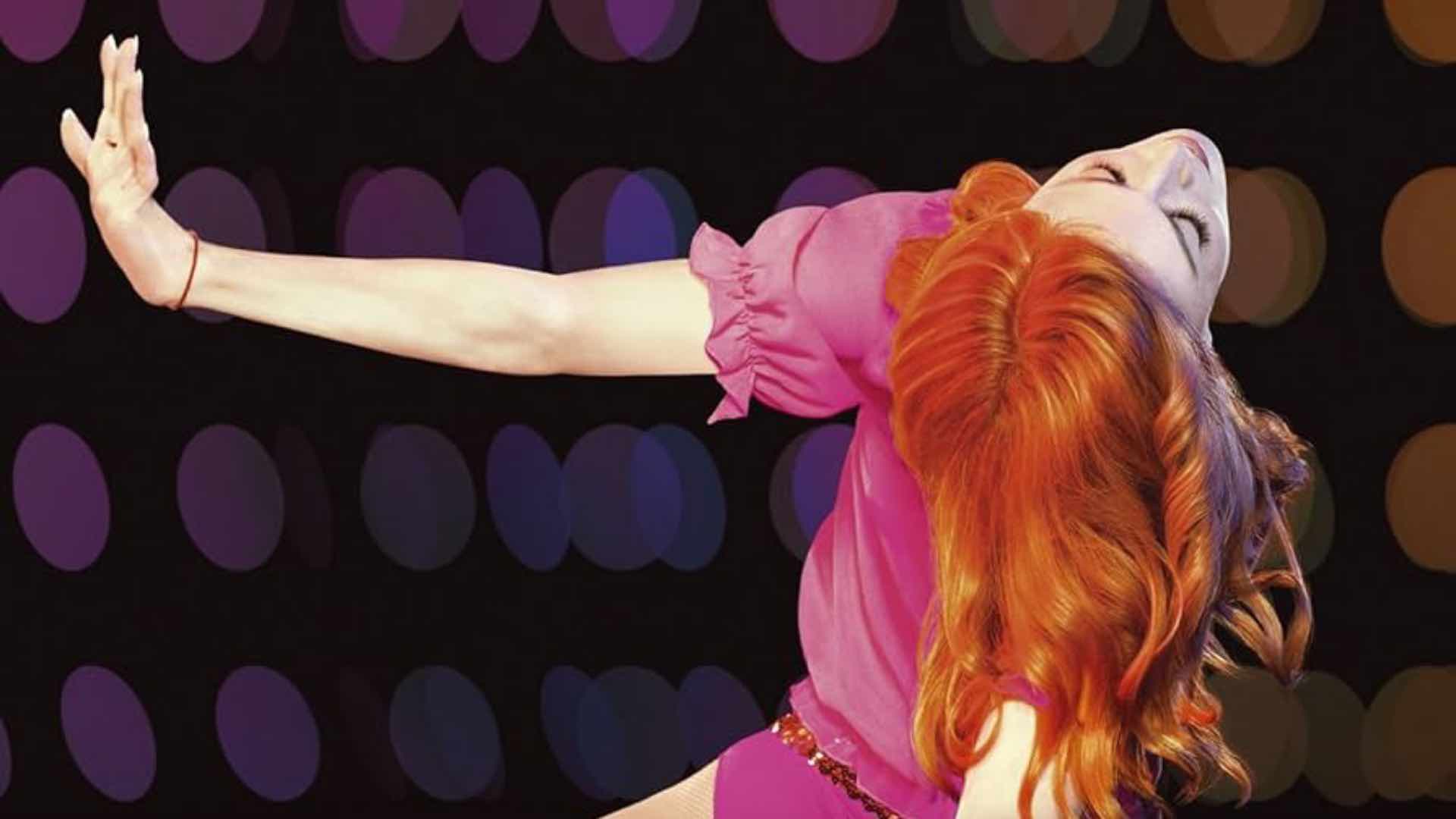
The mid-2000s were a pivotal moment in the Queen of Pop’s career. In just seven years, we’d seen Madonna shift from ethereal trip-hop to country-tinged electronica to politically charged pop. After successfully reinventing herself at the end of the previous decade with 1998’s Ray of Light and reestablishing herself as the most important woman in pop, the world was not ready to hear what she had to say for her ninth studio offering.
2003’s American Life faced the political and cultural climate of post-9/11 America head-on. It was a bold statement that challenged war and growing materialism. Reviews were mixed, with Rolling Stone declaring: “Making records, it seems, may not be her strong suit anymore.” With hindsight, the album is an essential Madonna listen and far from the artistic failure some wrote it off as.
But the public bashing and underwhelming commercial success meant the singer’s next project was to be make-or-break. But if there’s one thing Madonna can do, it’s a comeback.
Enter Confessions on a Dancefloor
After enlisting producer Stuart Price, who would go on to work with the likes of Kylie Minogue and Dua Lipa, work began on Confessions. Inspired by 70s disco and 80s synthpop, the pair developed a sound that was nostalgic yet totally fresh. Madonna had reached yet another creative peak. The messaging was stripped back: this was about Madonna and her dance floor.
Lead single ‘Hung Up’ is a giddy slice of dance-pop, lifting the iconic riff from ABBA’s ‘Gimme! Gimme! Gimme! (A Man After Midnight)’ and injecting ’05 club beats with seamless perfection. “Time goes by, so slowly,” sings Madonna over a pulsating bassline. But at five and a half minutes, it’s anything but a slog. This return to sweaty club euphoria paid off and then some, hitting the top spot in pretty much every country it charted in.
“A look into the future of clubbing”
To experience Confessions as it was intended, the 12-track album must be listened to as a whole, with each track bleeding into the next. ‘Get Together’ is second. The track sees Madonna in full dance-floor-diva swing, leaning heavier on mid-2000s trance synths. If ‘Hung Up’ was an ode to disco past, this was a look into the future of clubbing.
Second single ‘Sorry’ charts similar territory with a more commercial pop slant. This melodramatic stomper is one of the singer’s best break-up anthems, with the songstress defiantly claiming: “I don’t wanna hear, I don’t wanna know / Please don’t say you’re sorry / I’ve heard it all before / And I can take care of myself.” It will make you want to chuck your situationship and join Madonna for a boogie. It was another huge success for the singer, peaking in the top five internationally and reaching number one in the UK.
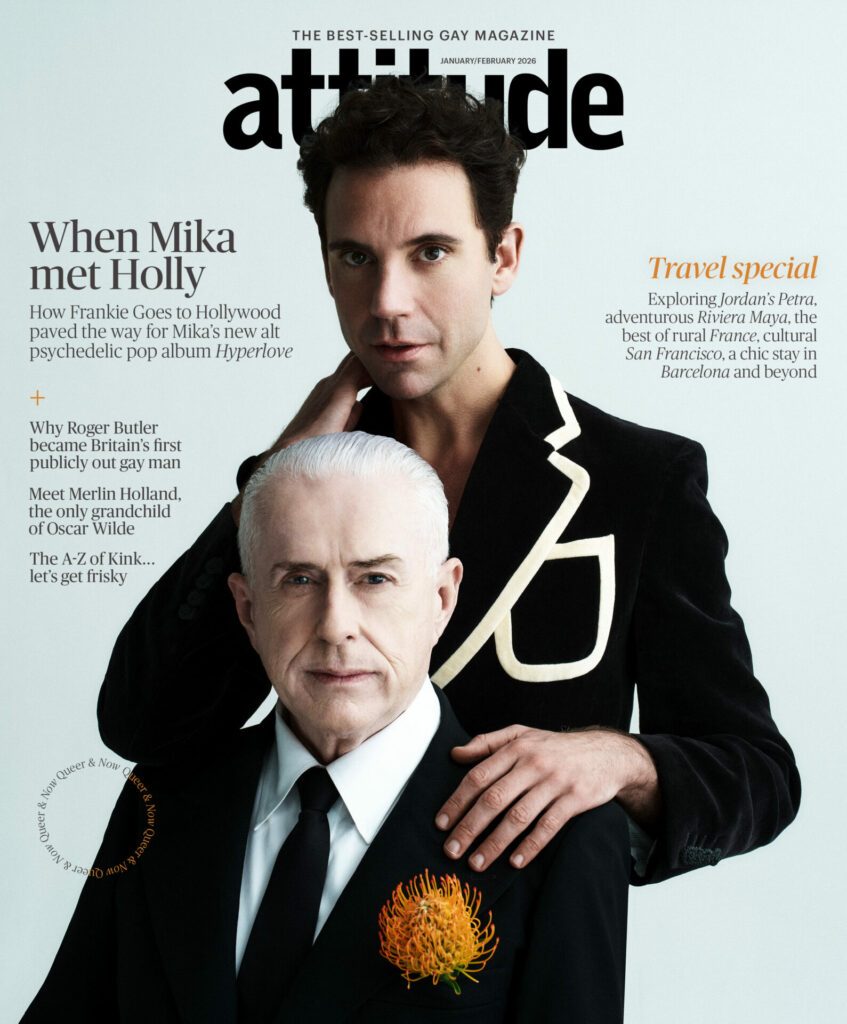
This is an excerpt from a feature appearing in Attitude’s January/February 2026 issue.
Subscribe to Attitude magazine in print, download the Attitude app, and follow Attitude on Apple News+. Plus, find Attitude on Instagram, Facebook, TikTok, X and YouTube.