
Andy Burnham’s cabinet: Champions of LGBTQ+ rights or cautious on trans issues?
With three publicly LGBTQ+ ministers in his cabinet, and several others expressing support for various parts of the community, what does the future of queer rights look like under Burnham's new cabinet?
By Aaron Sugg
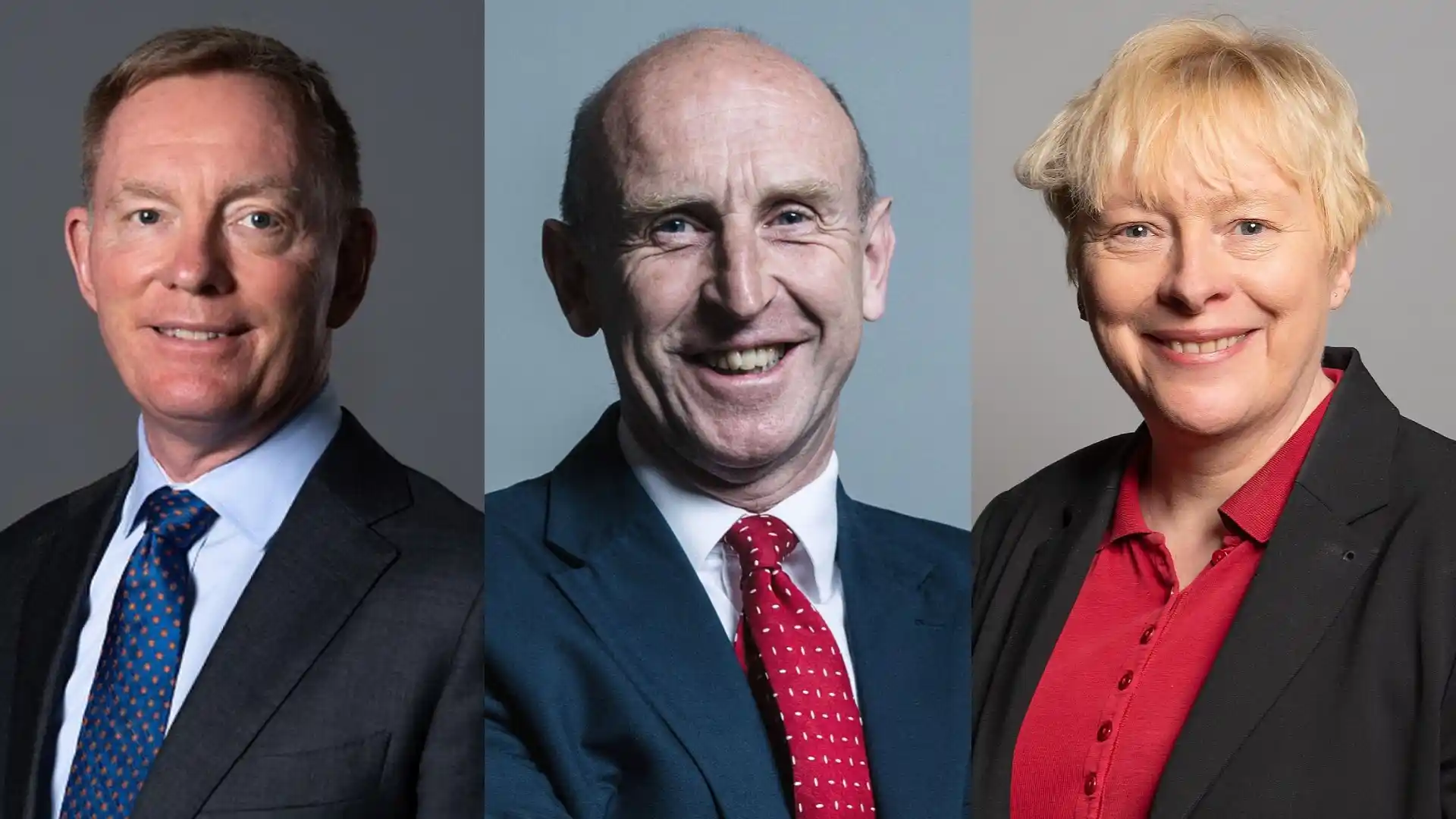
Andy Burnham was sworn in as UK prime minister on Monday (20 July), succeeding Keir Starmer and appointing his parliamentary cabinet – but where do his colleagues stand on LGBTQ+ issues?
In his first address as Labour leader, speaking outside Number 10 Downing Street, the former mayor of Greater Manchester did not mention LGBTQ+ issues. However, throughout his political career, he has built a long public record on equality.
For decades, Burnham has repeatedly voiced his support for LGBTQ+ communities, backed Pride events, and spoken out against discrimination – although his stance on trans rights has attracted public concern.
Following the April 2025 UK Supreme Court ruling on the legal definition of sex, Burnham said the decision and subsequent Equality and Human Rights Commission guidance should be implemented “in the fairest and most compassionate way possible”.
Amid backlash, Burnham said the implementation should protect single-sex spaces while “not marginalising already marginalised communities”. He argued that the ruling should not be viewed as a victory for one side over another.
Now, as the LGBTQ+ community in the UK await new comment, attention now turns to his Cabinet.
Where do Andy Burnham’s cabinet members stand on LGBTQ+ issues?
John Healey – Chancellor of the Exchequer
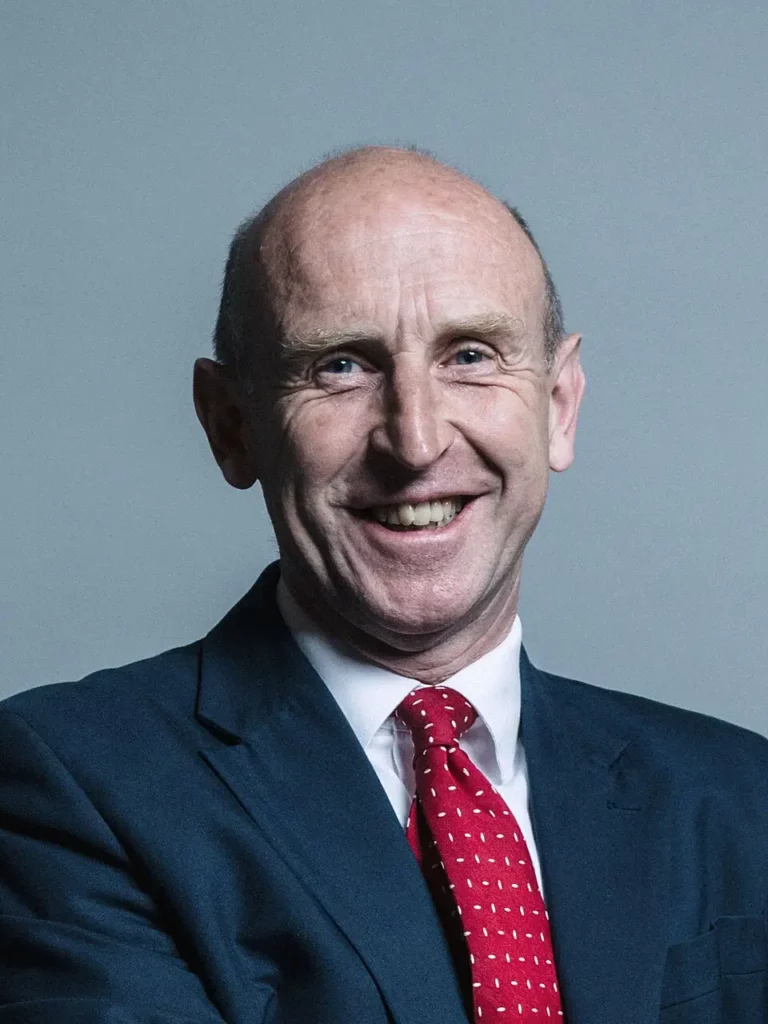
As chancellor of the exchequer, John Healey oversees the UK’s public finances, giving him significant influence over funding for public services that affect the LGBTQ+ community, including trans healthcare, HIV prevention, and various other equality initiatives.
Throughout his political career, Healey has demonstrated support for the LGBTQ+ community, particularly those affected by the UK military’s former “gay ban”.
When addressing the House of Commons on the treatment of LGBTQ+ veterans and the implementation of the Etherton Review recommendations in 2024, he described the ban as “profoundly wrong”. In light of this, while serving as Defence Secretary, Healey launched the LGBT Financial Recognition Scheme – a £75 million fund designed to compensate service members who were forced out of the armed forces between 27 July 1967 and 11 January 2000 because of their sexuality or gender identity.
However, his stance on trans issues appears more nuanced. While he supports trans people’s safety and protection from discrimination, he also acknowledges and accepts the Supreme Court’s decision that defines sex under the Equality Act 2010.
Healey has also welcomed the Labour government’s commitment to introducing a trans-inclusive ban on conversion practices.
Louise Haigh – First Secretary of State
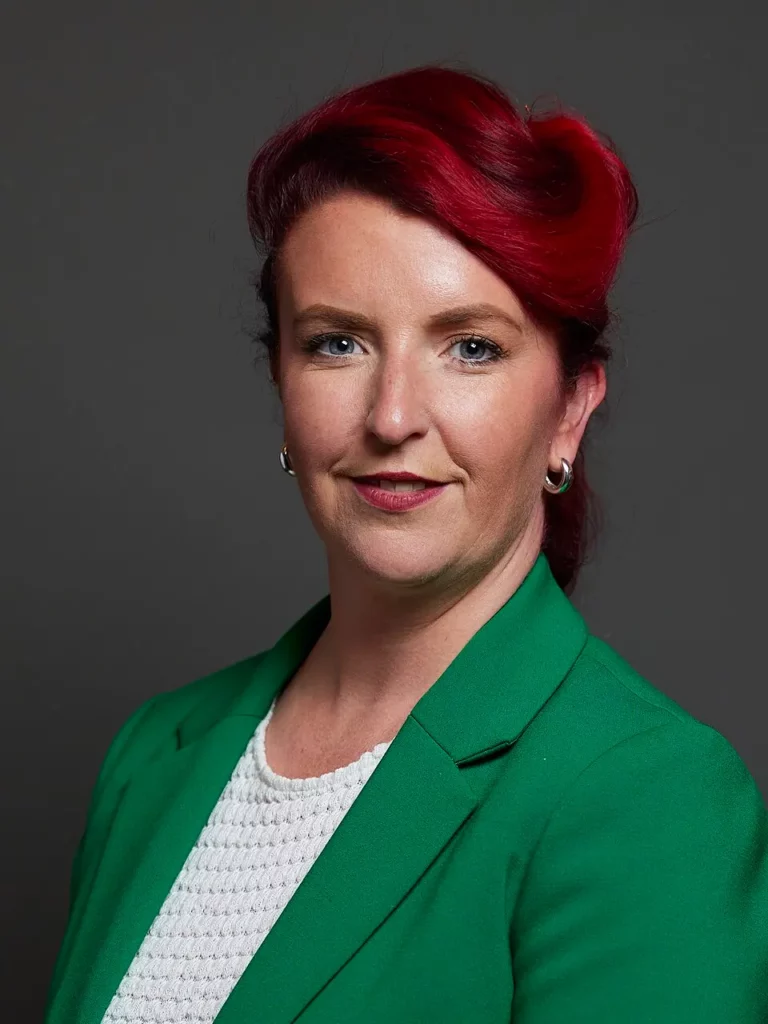
Louise Haigh became the youngest-ever female cabinet minister at the age of 36 when she was appointed transport secretary in July 2024. After a short tenure, she later resigned from the role but has since returned to government under Burnham, serving in the Cabinet Office as first secretary of state. Haigh’s role places her at the centre of government coordination and policy delivery, meaning she can influence how departments work together on issues affecting LGBTQ+ communities.
So, where does she stand on LGBTQ+ issues? This year, Haigh marked Pride Month with a social media post celebrating the moves the Labour government has made since being sworn into office in 2024. She highlighted Labour’s support for a trans-inclusive ban on conversion practices, plans to equalise hate crime laws, the party’s continued work to end all new HIV transmissions, and the LGBT Financial Recognition Scheme.
However, before this, Haigh sparked controversy when she said the Labour Party should be a “safe space” for gender-critical views, but not transphobic rhetoric, following the Cass Review, which recommended restrictions for puberty blockers to trans youth. Speaking to Sky News, Haigh said she and her Labour colleagues welcomed gender-critical debate. “I do understand that colleagues and friends have felt unable to express their views, and I will always want the Labour Party to feel like a safe space for those views.”
Ed Miliband – Foreign Secretary
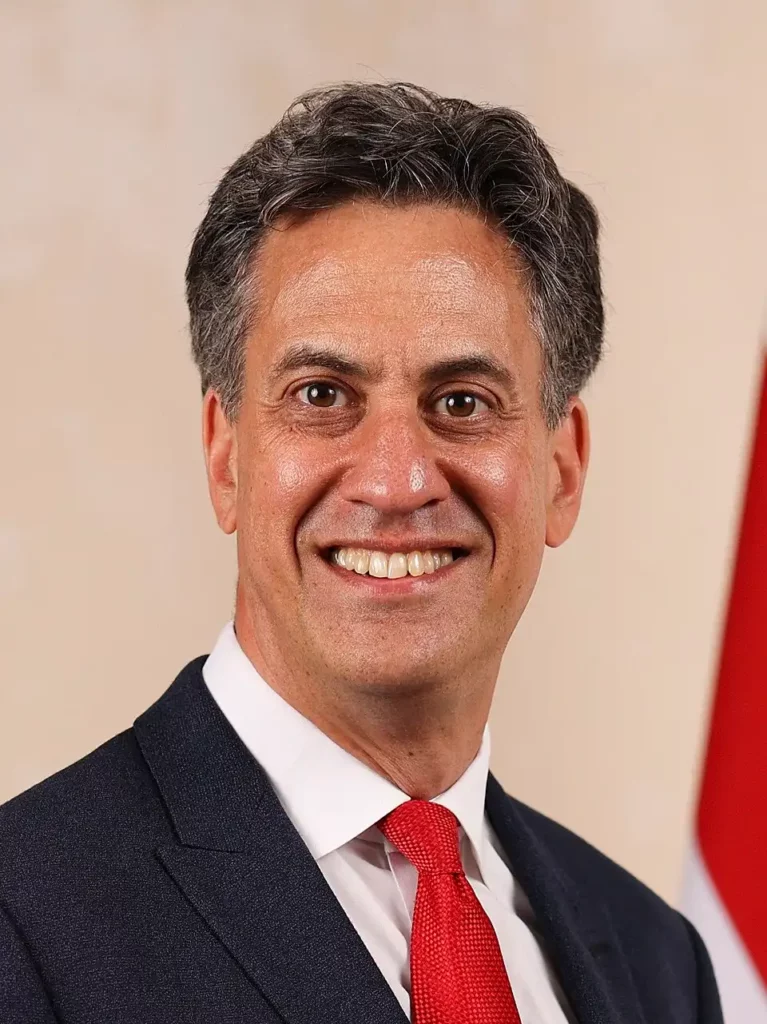
Former Labour leader Ed Miliband was appointed foreign secretary by Burnham, describing the role as a “great honour and privilege”. As foreign secretary, Miliband has the power to advocate for LGBTQ+ protections abroad. For example, someone in his role could support LGBTQ+ communities facing harmful discrimination overseas.
In recent years, Miliband’s stance on LGBTQ+ rights has not been at the forefront of his politics. During his tenure as Labour leader from 2010 to 2015, he showed support for same-sex marriage, tackling discrimination against LGBTQ+ people, attending Pride marches, and ensuring LGBTQ+ representation within his frontbench team.
Miliband’s stance on trans issues has not been a central focus of his political career. However, speaking previously to Sky News, he said: “I don’t think we should have a blanket ban” on trans women participating in women’s sport, arguing that decisions should be left to individual sporting bodies. He has remained quiet on the April 2025 Supreme Court ruling.
Shabana Mahmood – Home Secretary
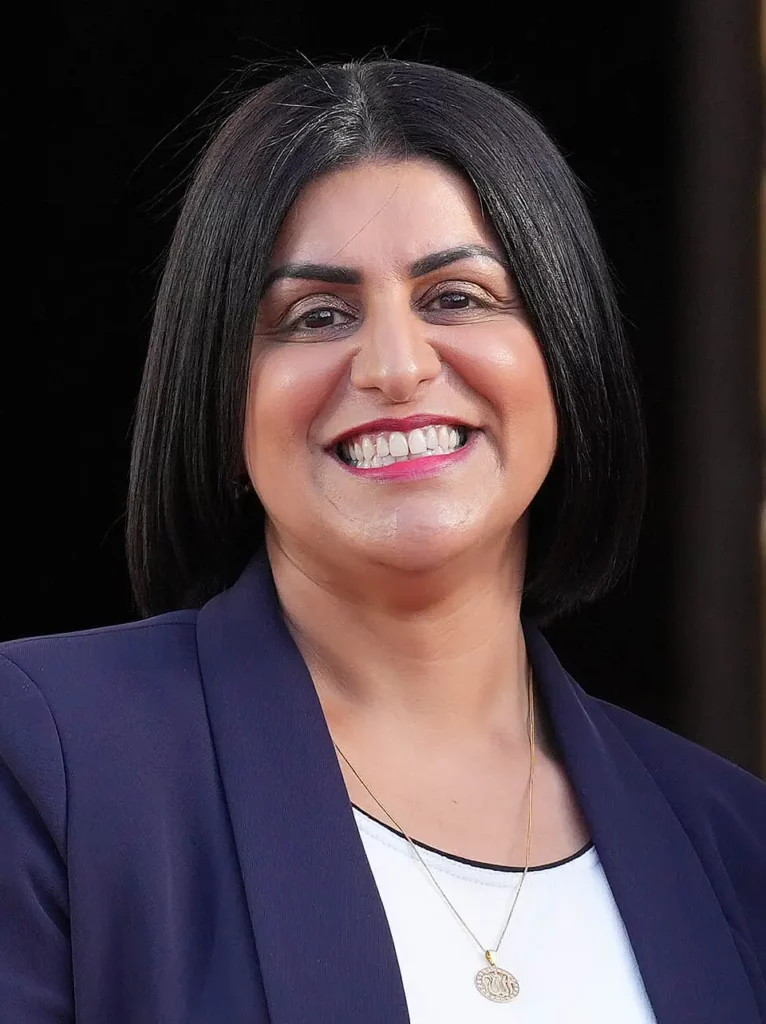
Appointed home secretary by Starmer in 2024, Shabana Mahmood has continued in the role under Burnham’s leadership. One of her key responsibilities is overseeing the Home Office, which manages the UK’s asylum system and policies affecting how LGBTQ+ people fleeing their home countries are protected and received.
Historically, Mahmood has expressed support for same-sex marriage, but questions have been raised over whether her support extends further across the LGBTQ+ community.
Mahmood came under fire in 2019 after raising concerns in Parliament about LGBT-inclusive lessons being taught in primary schools. She argued that schools should consider pupils’ “religious background” and the “age appropriateness” of discussions.
Following backlash from LGBTQ+ advocates, Mahmood later clarified her position in a blog post, writing: “Nowhere have I said that LGBT relationships should not be taught – because that’s not my position.” She also added: “Nowhere have I called for a return to the days of Section 28 – because that law was a dehumanising stain rightly removed by a Labour government.”
Her stance on trans rights has also attracted scrutiny from some members of the LGBTQ+ community after she expressed support for people holding gender-critical views. Speaking to The Telegraph, she said: “They shouldn’t be in the position of losing their jobs for having views that are perfectly legal, and that they are perfectly entitled to express.”
Wes Streeting – Defence Secretary
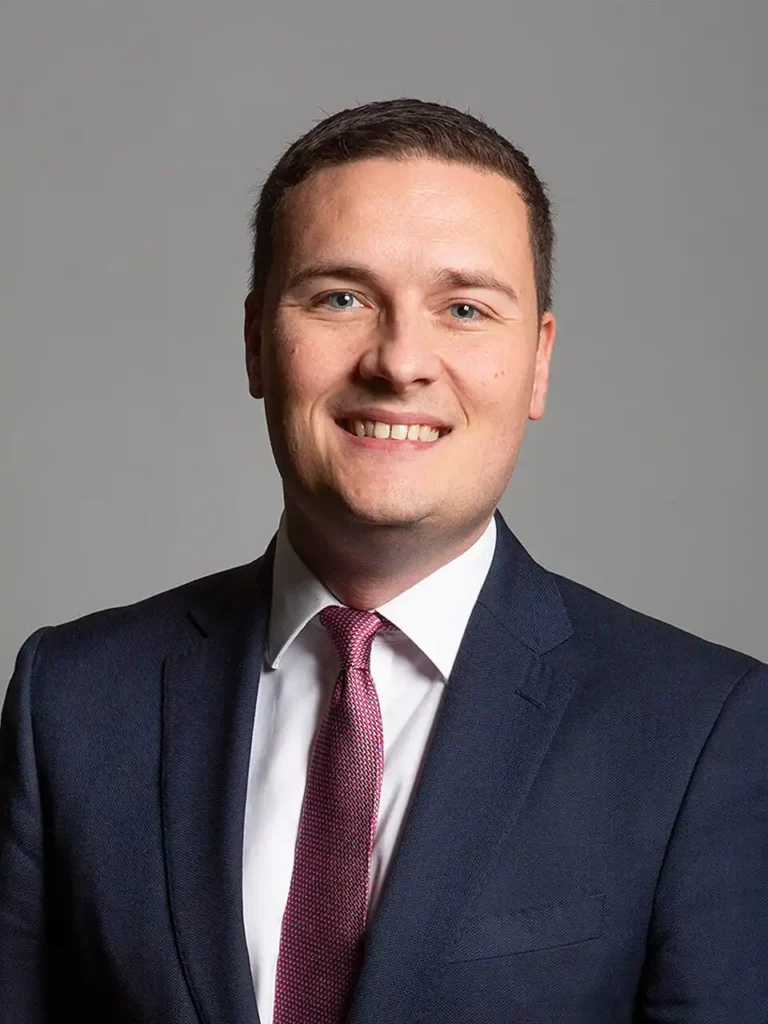
One appointment that may come as a surprise is Wes Streeting‘s return to the Labour cabinet, not as health secretary but as defence secretary. Streeting’s place in the cabinet has sparked backlash from parts of the trans community. During his almost two-year tenure as health secretary, he oversaw restrictions that left under-18s without access to puberty blockers.
In 2024, the former health secretary, who is publicly gay, introduced a ban on prescribing puberty blockers to transgender young people under the age of 18, citing the controversial Cass Review. Following the suspension of the PATHWAYS trial after it was launched in 2025, NHS England, under his tenure, stopped issuing new prescriptions for gender-affirming hormones to 16 and 17-year-olds.
Prior to this resignation, ten LGBTQ+ youth organisations urged Streeting to reverse the restrictions on gender-affirming care and to “start listening to the trans young people his decisions impact”.
Yvette Cooper – Health Secretary
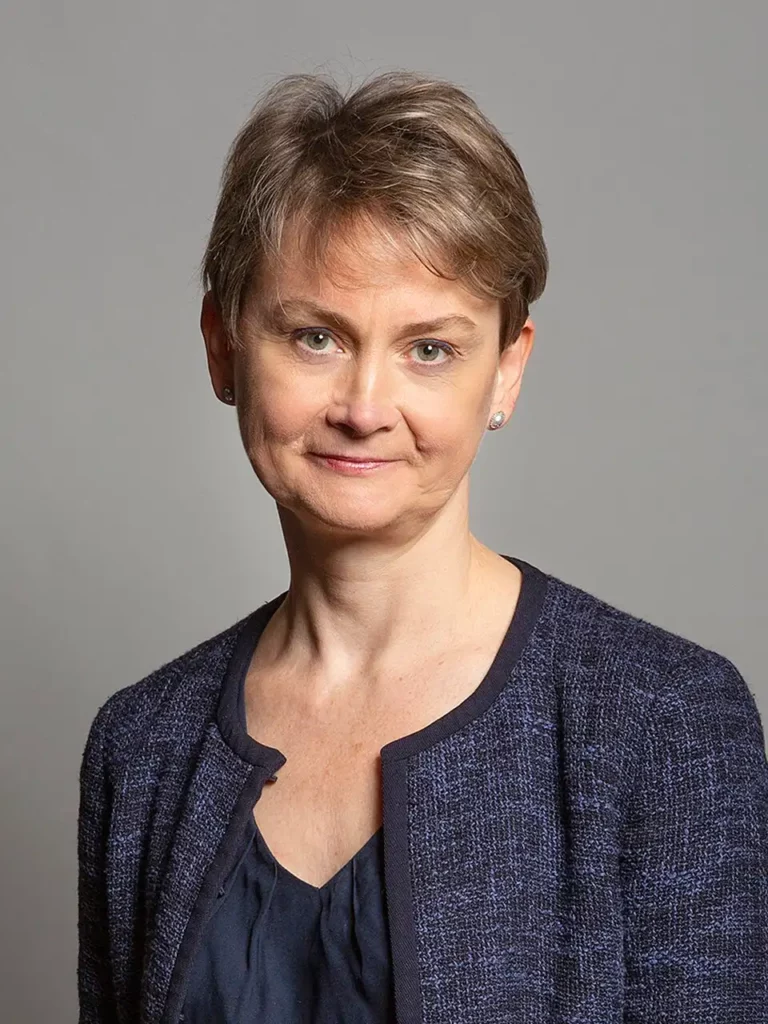
Yvette Cooper became the third Labour health secretary since May 2026. Her stance on LGBTQ+ issues carries significant weight, as the trans community awaits her approach to trans rights following policies introduced by Streeting.
Cooper has been an active and vocal supporter of same-sex marriage and has previously expressed interest in the creation of non-binary passports for people who do not identify as male or female.
Then, in March 2022, Cooper refused to define what it means to be a woman.
Lucy Powell – Education Secretary
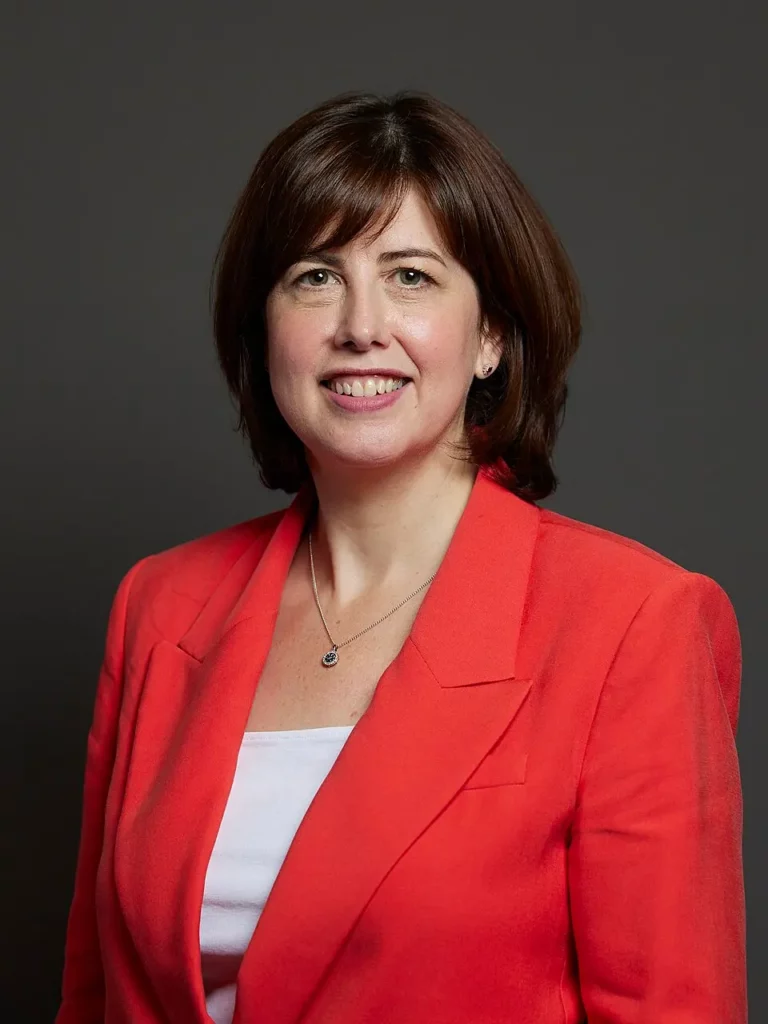
Lucy Powell’s position as education secretary carries significant responsibility, shaping the future of young people across the UK – from what pupils learn in the classroom to the values around equality and inclusion they encounter. Following the April Supreme Court ruling, Powell acknowledged that the updated Equality and Human Rights Commission (EHRC) guidance had “got some of the language not right”. She has also made her stance on trans rights clear, stating: “I’m a woman, I’m a feminist and I see absolutely no contradiction in being a woman and also supporting the trans community to feel included and to have their rights as well,” she said.
Powell has also welcomed Labour’s draft Bill to ban trans-inclusive conversion practices. Posting to social media, she wrote: “I’m really pleased that a draft Bill to ban conversion practices for LGBTQ+ people has been published today. I made sure it was in our first King’s Speech and I’m glad we are keeping this important commitment to equality and to protect people from abuse.”
Overall, Powell’s stance on LGBTQ+ issues has been broadly supportive. She has welcomed same-sex marriage and has repeatedly spoken in favour of LGBTQ+-inclusive education in schools.
Angela Rayner – Housing Secretary
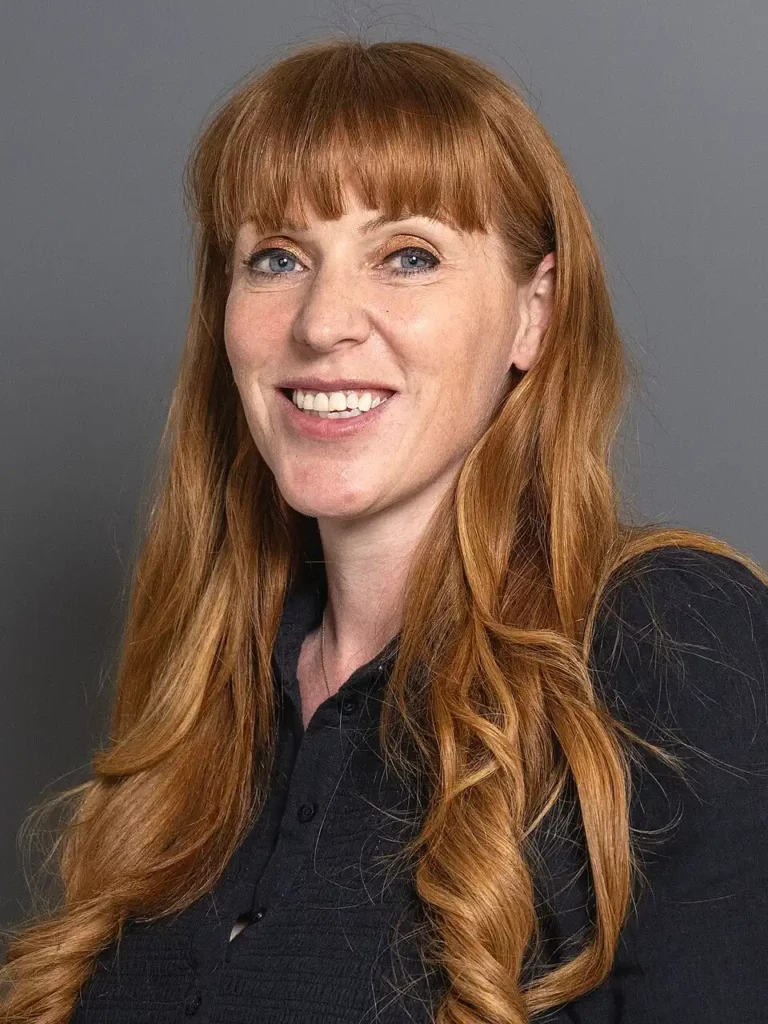
Angela Rayner has returned as Labour’s housing secretary, following her first tenure in the role from 2024 to 2025 under Starmer’s leadership. From shaping homelessness reduction strategies and funding specialised support services to setting standards for local authorities, Rayner’s position could have a significant impact on the LGBTQ+ community.
Rayner’s stance on the queer community has generally been supportive. The mother of three has shown support for trans rights, stating at a Labour conference in 2021: “Women’s rights are not in conflict with trans rights,” adding: “My struggle is your struggle.”
However, she appeared to have a more cautious view following the April 2025 Supreme Court ruling. Speaking to LBC, Rayner said the updated guidance, which she described as putting “women’s safety and women’s rights first”, was “really welcomed”. She added that it was important for the Labour government to safeguard all women, including trans women, and argued that the trans debate should stop being used as a “political football”.
In 2017, she marched at Pride in London alongside the Terrence Higgins Trust, an HIV/AIDS charity, demonstrating her support for both the LGBTQ+ community and the ongoing fight to end new HIV diagnoses.
Bridget Phillipson – Women and Equalities minister
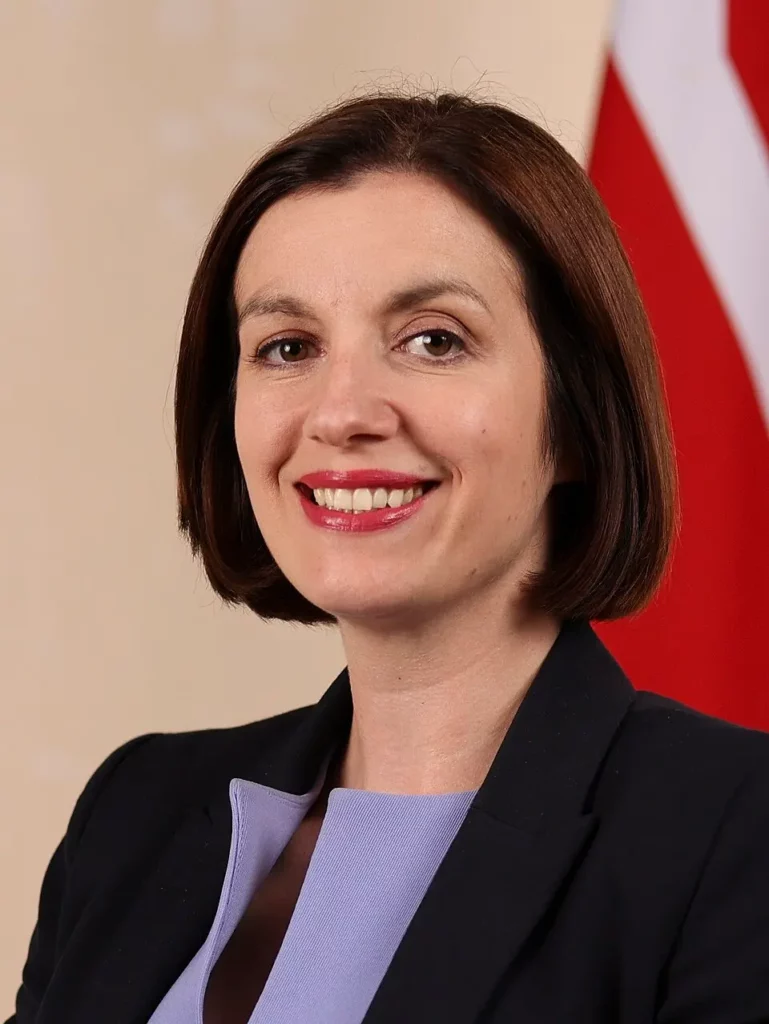
Remaining in her role as women and equalities minister is Bridget Phillipson. During her time in the position, Phillipson has faced scrutiny from members of the LGBTQ+ community after delaying and reviewing the Equality and Human Rights Commission’s (EHRC) statutory guidance on single-sex spaces following the April 2025 Supreme Court ruling.
Phillipson later approved the final updated policy, formally laying the draft Code of Practice before Parliament on 21 May 2026. The guidance states that single-sex services under the Equality Act 2010 should operate on the basis of biological sex, meaning trans people will be restricted from accessing facilities that align with their gender identity.
The EHRC’s single-sex spaces guidance will officially come into force on 5 August 2026. It states that a service must operate on the basis of biological sex in order to be legally classed as a single-sex service under the Equality Act 2010.
Trans organisations and campaigners have raised serious concerns about what this means for the future of trans rights in the UK.
TransActual said: “The newly published EHRC Code of Practice leaves trans people in the UK today with fewer rights than they had prior to last year’s Supreme Court ruling.” They added that it has not only failed to protect trans rights and “dignity”, but appears “to have weakened protections for the LGBTQ+ community as a whole.”
Phillipson has shown support for a trans-inclusive ban on conversion practices.
Alex Norris – Justice Secretary
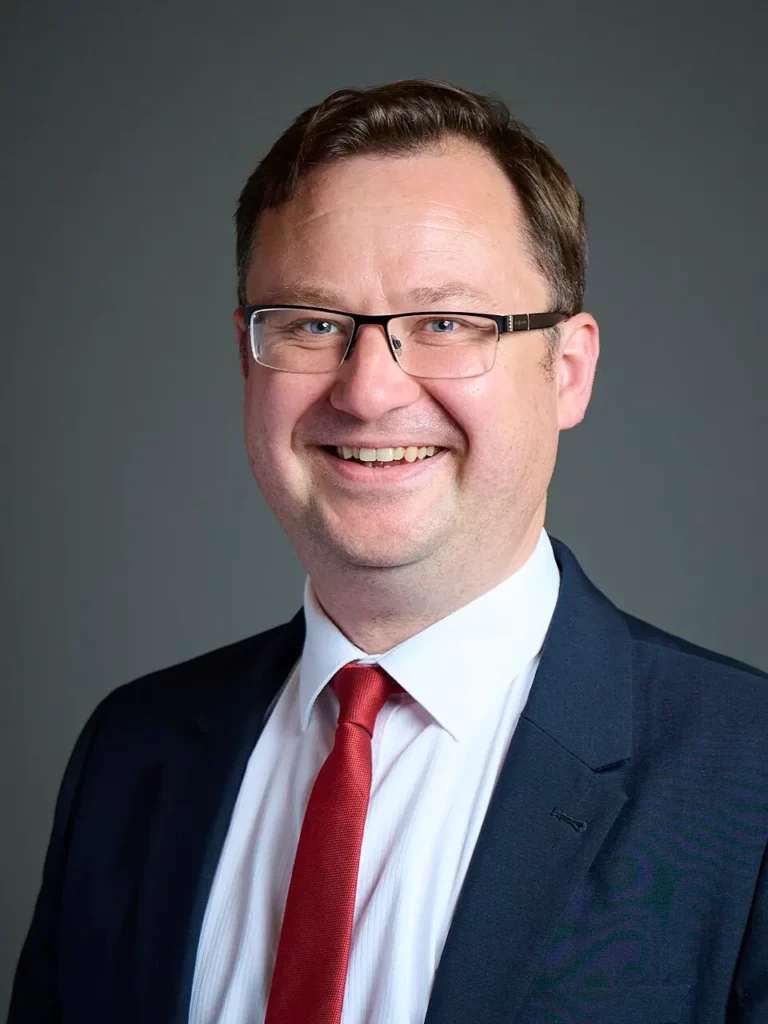
As justice secretary, Alex Norris plays a key role in shaping the future of LGBTQ+ rights, from influencing criminal justice policy and sentencing guidelines to addressing hate crime legislation and overseeing wider human rights frameworks.
As the MP for Nottingham North and Kimberley, Norris has demonstrated strong support for LGBTQ+ equality. Speaking to the Notts LGBT+ Network, he backed stronger action against hate crime, greater community support initiatives, and reforms to ensure trans people are treated with respect. However, he has also expressed support for requiring a gender dysphoria diagnosis as part of the gender recognition process.
Norris has consistently supported same-sex marriage.
Angela Eagle – Environment Secretary
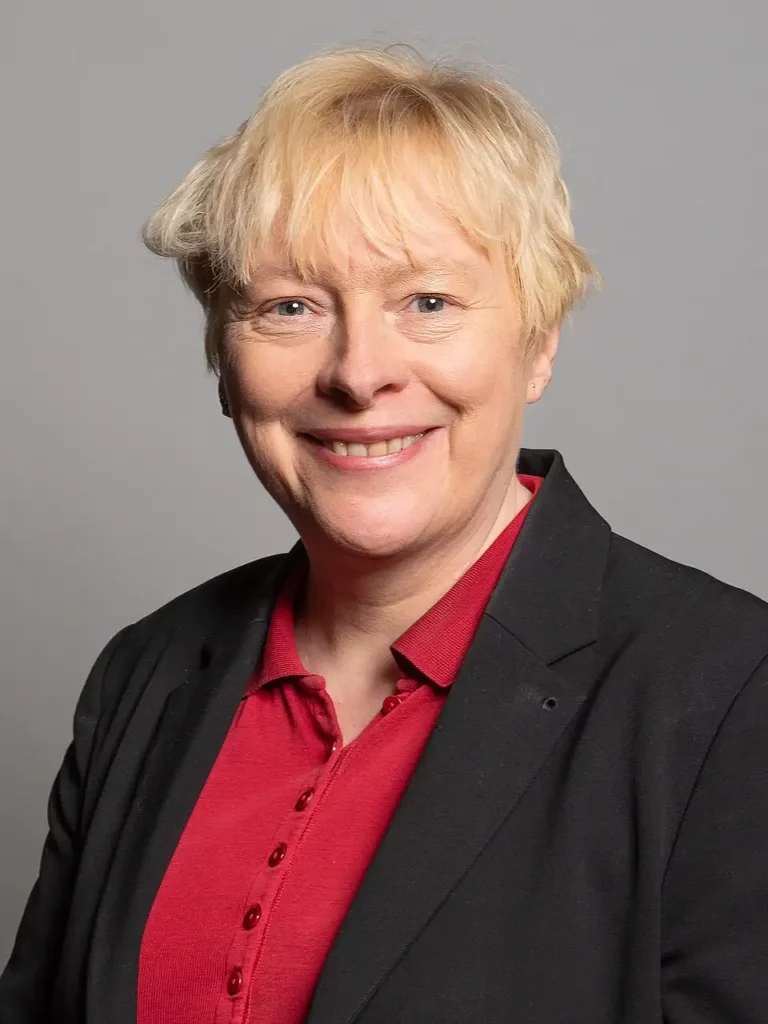
Angela Eagle is one of two openly LGBTQ+ MPs appointed to Andy Burnham’s first Cabinet. She made history in 1997 by becoming the first woman to publicly come out as gay in the House of Commons on her own terms.
Throughout her political career, Eagle has been a strong advocate for LGBTQ+ equality. She helped introduce the Civil Partnership Act 2004, has campaigned for offences motivated by hostility towards LGBTQ+ people to be treated on a par with other aggravated hate crimes, and has supported a trans-inclusive ban on conversion practices.
In 2024, prior to the April 2025 Supreme Court ruling, Eagle highlighted the need to improve healthcare for LGBTQIA+ communities, “particularly trans people”.
Following the Supreme Court’s ruling on the legal definition of “sex”, alleged private WhatsApp messages attributed to Eagle were leaked to the Mail on Sunday. The newspaper claimed she wrote: “The ruling is not as catastrophic as it seems but the EHRC [Equality and Human Rights Commission] guidance might be & there are already signs that some public bodies are overreacting.”
Sir Chris Bryant – Secretary of State for Northern Ireland
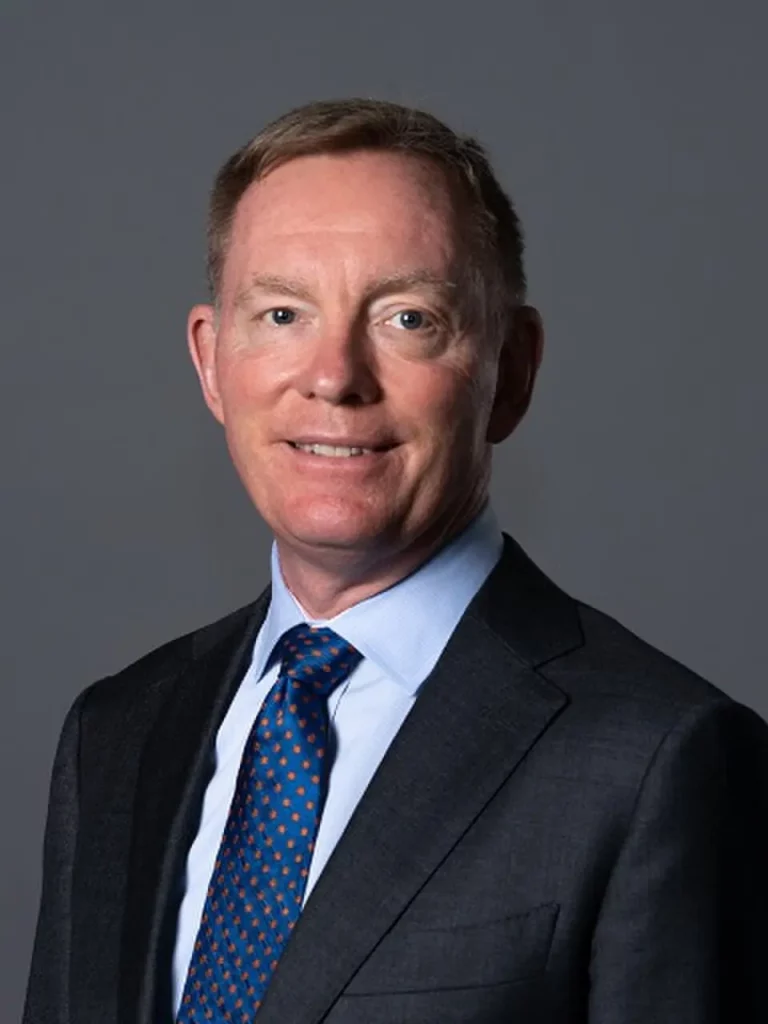
Sir Chris Bryant is the second openly LGBTQ+ member of Burnham’s Cabinet. He entered into a civil partnership with his partner, Jared Cranney, in March 2010 and has continued to champion LGBTQ+ rights throughout his political career. As secretary of state for Northern Ireland, Bryant is one of the most senior LGBTQ+ figures in government.
To mark Pride Month 2026, Bryant spoke in the House of Commons, where he highlighted the importance of Pride and reflected on the progress made, while acknowledging the challenges that remain. He spoke about harmful stereotypes, the turbulent legacy of Section 28 and the impact of homophobic abuse. Bryant argued that prejudice still exists today, that loneliness remains prevalent within the LGBTQ+ community, and that homophobia continues to affect schools, with devastating consequences for some young people, including suicide.
Bryant also expressed support for the transgender community during the same speech, stating: “when people are abused for wanting to transition, when trans people are treated as less than human”, highlighting the continued importance of Pride Month and the need to challenge discrimination against trans people.
But where does Bryant stand on the April 2025 UK Supreme Court ruling on the legal definition of “woman”? Bryant was reportedly part of a WhatsApp conversation in which he expressed concerns about the consensus. According to reports, he said he agreed with the view that the ruling was “pretty appalling”.
Burnham also appointed Jonathan Reynolds as business secretary, Lisa Nandy as culture, media and sport secretary, Miatta Fahnbulleh as energy and net zero secretary, Heidi Alexander as transport secretary, Pat McFadden as work and pensions secretary, Anas Sarwar as trade secretary, Richard Hermer as attorney general and Anneliese Midgley as chief whip.