
1,000 LGBTQ+ veterans expected to miss out on gay ban payout
Fighting With Pride has estimated there are over 1,000 “lost” veterans who have not yet come forward
By Aaron Sugg
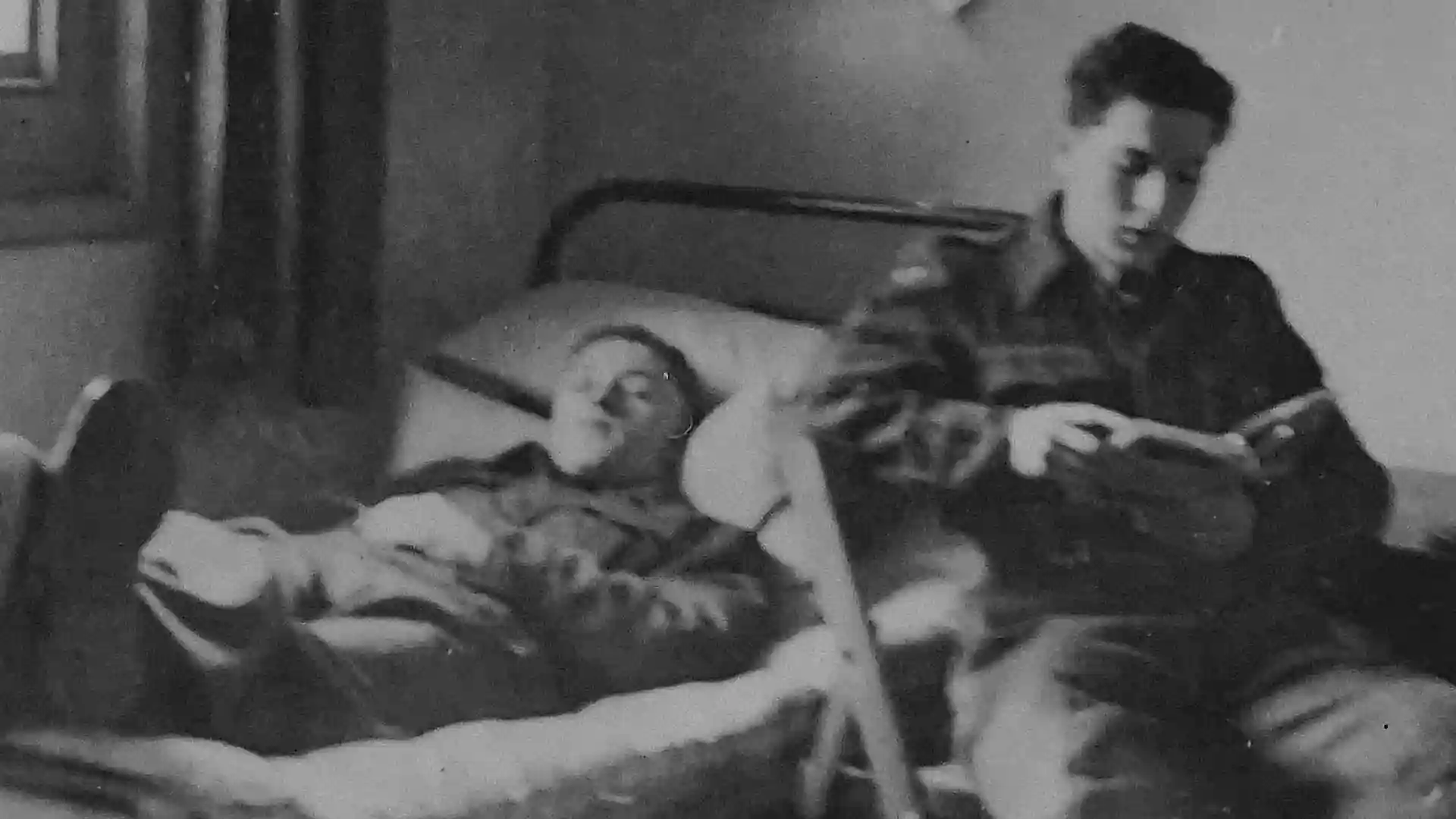
Fighting With Pride is warning that at least 1,000 LGBTQ+ veterans may miss out on financial compensation from a Ministry of Defence payout.
Up until the year 2000, LGBTQ+ people were banned from the British military under the infamous “gay ban” introduced in the 1950s.
The Ministry of Defence has said it “deeply regrets” the treatment of former queer service members, and has created the LGBT Financial Recognition Scheme for those affected.
The LGBT Dismissed or Discharged offers up to £70,000 to those discharged under the “gay ban”
Introduced in 2024, the scheme was designed to compensate service members forced out of the armed forces between 27 July 1967 and 11 January 2000. The payout offers up to £70,000 to those discharged under the ban.
According to the official government website, the compensation applies to: “Those who were dismissed or administratively discharged, including officers who were ordered or instructed to resign or retire by their respective Service Board, solely on the basis of their actual or perceived sexual orientation or gender identity during the Ban.”
Fighting With Pride has estimated there are over 1,000 “lost” veterans who have not yet come forward, with less than six months left to claim compensation.
“They are not doing enough to promote the scheme” – Peter Gibson on the Ministry of Defence payout
Speaking to BFBS Forces News, Peter Gibson, Fighting With Pride’s chief executive, accused the Ministry of Defence of not publicising the scheme enough.
“The MoD has the entire armoury of government; they know where every veteran in this country is by pensions, the veteran’s railcard and ID card, and they are not doing enough to promote the scheme.”
“There are many different people in our community. We represent a range of people who have a range of experiences,” Gibson said.
Karen Usher says she was “segregated” whilst serving in the Royal Air Force
“This is not just people who were dismissed [from the military], this is people who served under the ban and lived in fear; who were perhaps bullied or discriminated against whilst in service. They are eligible for aspects of the scheme too,” he continued.
One of those affected was Karen Usher, who told BBC News she felt forced to hide her sexuality after joining the Royal Air Force in 1990.
“They kept me segregated because of my sexuality, they didn’t want me to be near anyone or even associate with anyone, they kept me separate until they could fly me home to the UK,” she said.
Usher echoed Gibson’s concerns
At 21 years old, she said her “head was such a mess” and that she cannot believe the trauma she was put through at such a formative age.
Like Gibson, Usher told the publication she does not think the government “has tried hard enough” to reach those affected by the “gay ban”.
A spokesperson for the MoD said: “We deeply regret the treatment of LGBT serving personnel between 1967 and 2000, which was wholly unacceptable and this is not representative of Defence today.”
Applications for The LGBT Financial Recognition Scheme ends on 12 December 2026.