
Heterosexual minority groups urged to take action to help meet UK HIV Action Plan targets
“Stigma can cost lives, and we all have a part to play in changing that,” said Head of the HIV Section at UKHSA Dr Tamara Đjuretić
By Aaron Sugg
The UK Health Security Agency (UKHSA) has published its latest HIV report, showing continued declines in new diagnoses in England, although not all groups are benefiting equally.
The HIV Action Plan Monitoring and Evaluation Framework 2026 report found that England is continuing to meet the UNAIDS “95-95-95” targets in a bid to meet its HIV Action Plan 2030 goals.
The UNAIDS “95-95-95” policy aims for, by 2030, people living with HIV to know their status, those diagnosed to be on treatment, and those on treatment to achieve viral suppression are all at or above 95 per cent.
The UK Health Security Agency found that the UK is exceeding UNAIDS “95-95-95” targets
UKHSA found that 95 per cent of people living with HIV are diagnosed, 95 per cent of those diagnosed are on treatment, and 98 per cent of those on treatment have a suppressed viral load.
There were 2,773 new HIV diagnoses in England in 2024, continuing a downward trend. However, the report cautioned that progress is far stronger among white gay and bisexual men than in other groups.
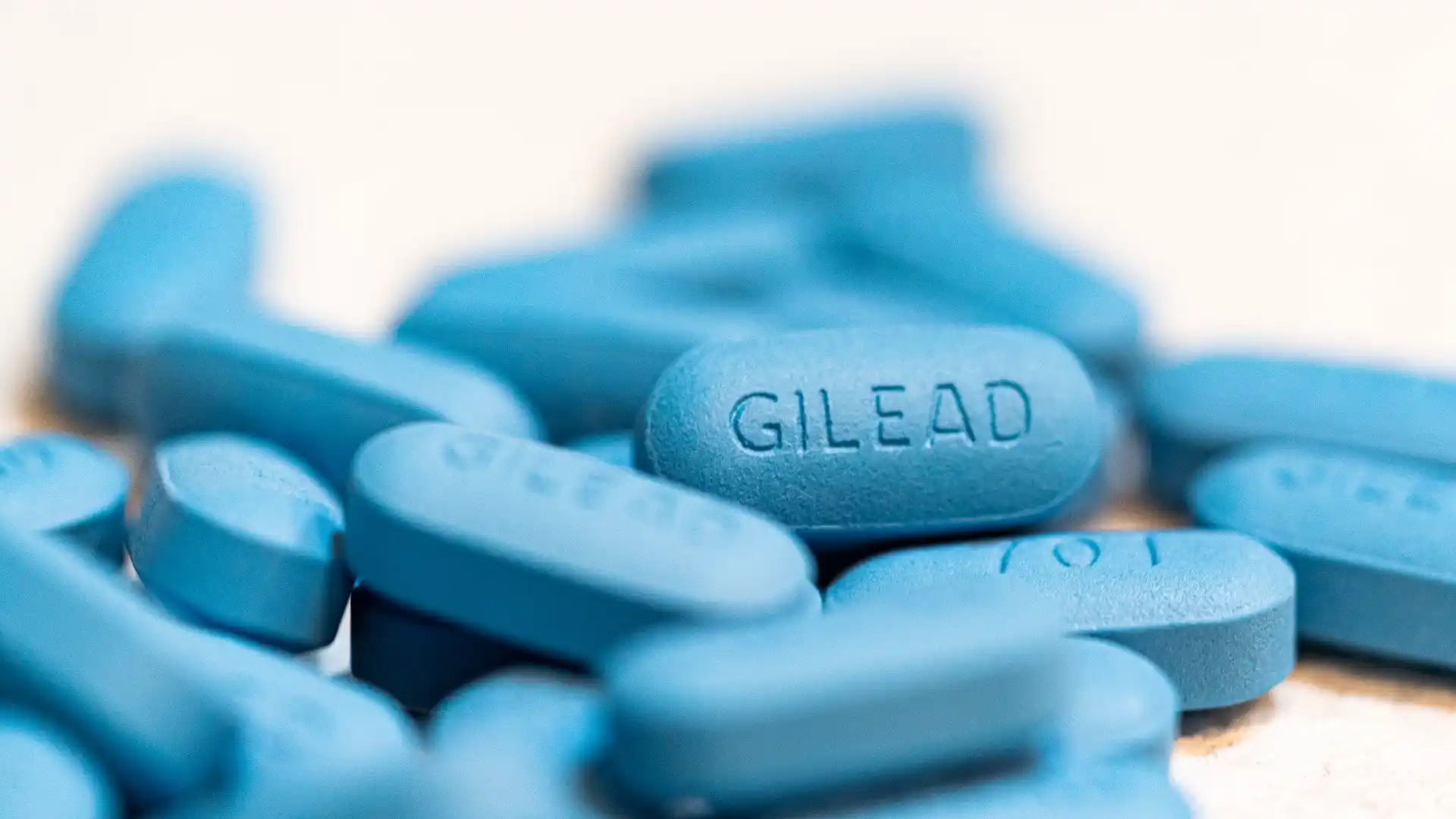
Use of pre-exposure prophylaxis (PrEP) has continued to rise since its NHS rollout in 2020 and saw record uptake in 2024, with 111,123 users.
Black African heterosexual men and women are encouraged to access PrEP to ensure HIV prevention targets are met
Around 79 per cent of white gay and bisexual men with a PrEP need are accessing it, compared with just around 34–36 per cent of Black African heterosexual men and women. Testing rates were also lower among some minority communities.
Overall, around 114,000 people are estimated to be living with HIV in England, including about 6,000 people who remain undiagnosed.
The report states that 57 per cent of Black African heterosexual men were diagnosed late, along with 45 per cent of Black African heterosexual women.
“We are concerned that progress is not equal for all” – Head of the HIV Section at UKHSA, Dr Tamara Đjuretić, encouraging action
Despite positive change, stigma remains highest among Black African heterosexual men (49 per cent) and other ethnic minority heterosexuals (48 per cent).
Dr Tamara Đjuretić, consultant epidemiologist and head of the HIV section at UKHSA, welcomed the decline in new HIV diagnoses but urged action among minority groups to help meet the 2030 targets.
“It is encouraging to see HIV diagnoses continue to decrease overall, and England meeting the UNAIDS targets. However, we are concerned that progress is not equal for all,” Dr Đjuretić said.
“Stigma can cost lives, and we all have a part to play in changing that” – Dr Đjuretić challenging HIV stigma
“PrEP uptake is still far lower in Black African communities and a number of different factors, including stigma, is stopping people in the community from accessing this effective prevention intervention.
“Stigma can cost lives, and we all have a part to play in changing that,” Dr Đjuretić added, encouraging the use of protection, taking PrEP, and taking necessary measures to prevent the spread of HIV.
Former Health Secretary Wes Streeting, who resigned yesterday (15 May), vowed to end new HIV transmissions in England by 2030 with a landmark HIV Action Plan revealed last year.