
UK government rejects public inquiry into impact of Thatcher-era Section 28
Russell Tovey, Hannah Drakeford and others backed the petition, which ultimately received 26,236 signatures
By Aaron Sugg
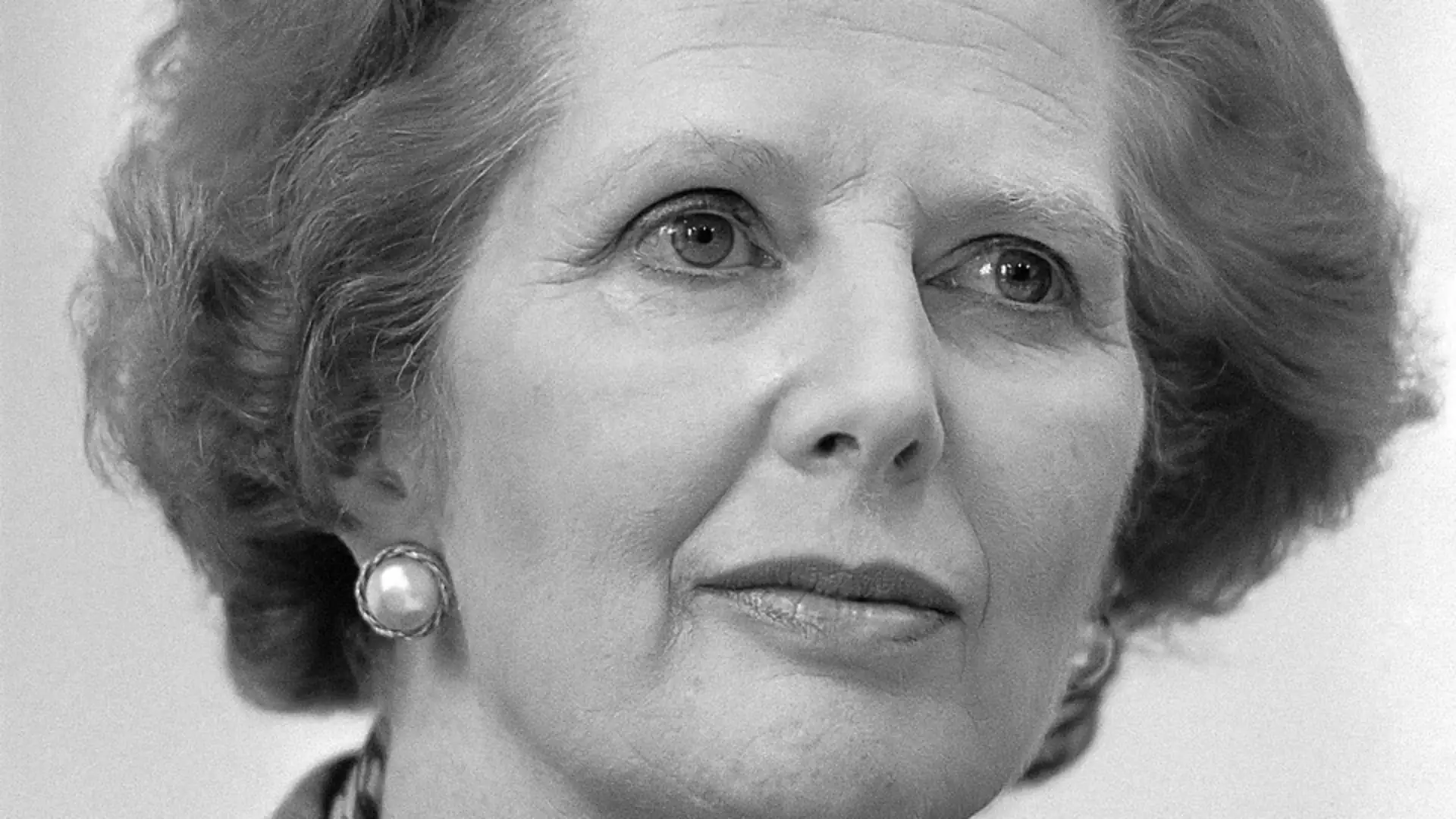
The UK government has rejected a call for a public inquiry into the impact of Margaret Thatcher-era Section 28, brought by the Section 28 Justice Coalition.
The government’s response was issued on 18 August, 67 days after the petition reached the 10,000-signature threshold. The coalition said the government had committed to responding within 21 days.
UK government says a public inquiry is not “the right approach”
Despite acknowledging the “devastating impact” of Section 28 and its lasting “chilling effect” on LGBTQ+ people, the government said its repeal and subsequent advances in LGBTQ+ equality demonstrate that its legacy has already been recognised.
In its response, provided by the coalition, the government said: “In light of the above we do not believe that establishing a public inquiry into the impact of Section 28 is the right approach, but we do recognise the significant impact it has had on those who lived through it, including following its repeal.
“Public inquiries are typically used to establish facts about what happened and why, and to learn from events in order to reduce the likelihood of something similar happening in future. Since the law was passed in Parliament, its origins and motivations are already on the public record. A public inquiry would not establish any new facts. The Act and its impacts continue to be a relevant topic during discussions on LGBT+ equality policy, so the mistakes of the past are never repeated.”
The Section 28 Justice Coalition express it’s disappointment
The Section 28 Justice Coalition’s co-chairs and co-founders Stevie Jones and Sarah Elizabeth Drummond described the government’s response as “disappointing”.
“The Government has focussed on progress on LGBTQ+ rights generally, such as equal marriage, rather than responding to the core aim of the petition – for proper recognition of the harms of Section 28 and stopping the rise of LGBTQ+ censorship,” said the pair in a news release.
On why they believe a public enquiry is needed, they explained: “An inquiry would also, crucially, be able to recommend safeguards to stop the recurrence of LGBTQ+ censorship, whether enforced by law like Section 28 or the social pressure we are increasingly seeing.”
The coalition hopes the government recognises the 26,000 people who have signed the petition
Following the government’s response, the body offered an ultimatum: “We are open to other routes and are open to discussion. We hope that the Government will respect the strength of feeling demonstrated by the over 26,000 people who have signed the petition and meet with us.”
In its original petition, the Section 28 Justice Coalition highlighted the legislation’s lasting impact on then-LGBTQ+ young people their school staff, describing how it created a “very hostile environment” from its introduction in 1988 until its repeal in 2003.
The coalition argued that a public inquiry is necessary to examine the legislation’s impact and determine whether the culture it created continues to affect LGBTQ+ people today.
Russell Tovey supported the petition
Russell Tovey, Hannah Drakeford and Boy George all showed support for the petition that ultimately received 26,236 signatures until it closed mid September.
Introduced by Margaret Thatcher’s Conservative government in 1988, the law prohibited local authorities and schools from “promoting homosexuality”, effectively excluding same-sex relationships from taught family structures amid growing fears as HIV/AIDS cases surged across the globe.
Section 28 was repealed in the UK in 2003, though it left chilling effects on those affected by the legislation, both inside and outside the LGBTQ+ community.