
Impact of Section 28 to be addressed by UK Government after petition passes 10,000 signatures
The Section 28 Justice Coalition draws on information suggesting that history is repeating itself: "We are not going to let it"
By Aaron Sugg
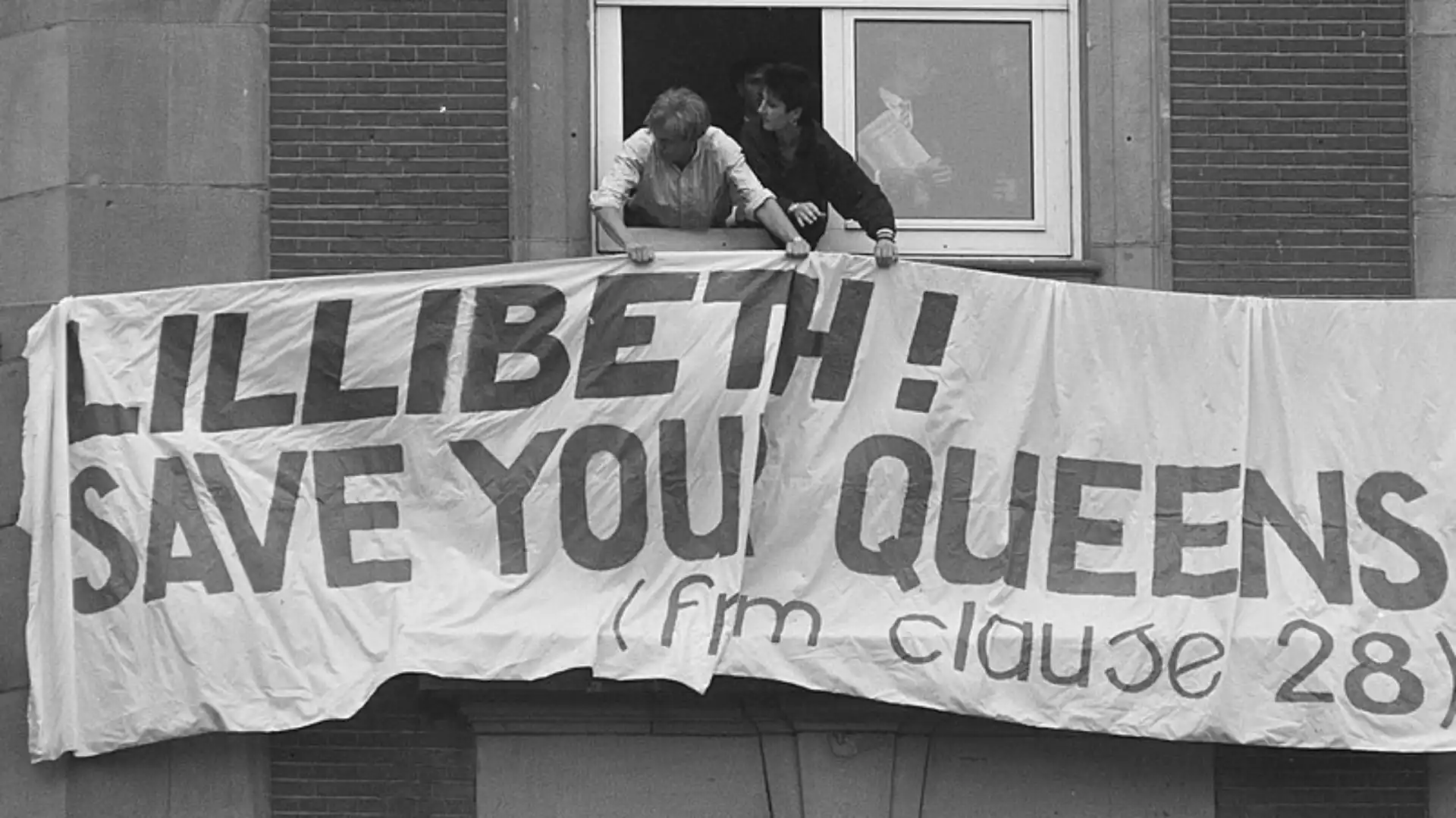
A petition calling for answers on the impact of Section 28 has passed 10,000 signatures, meaning the UK Government is now required to formally respond.
The public inquiry is spearheaded by the Section 28 Justice Coalition, which argues that the law caused lasting harm to LGBTQ+ people and that its effects were never properly acknowledged.
As per the petition, the body states: “Section 28 created a very hostile environment for young people and staff in secondary schools from its introduction in 1988 until it was finally repealed in 2003.”
Section 28 Justice Coalition outlines the impact of Section 28 on LGBTQ+ youth
“Students were unable to get support at school and staff were forced to hide their identity, fearing they would be sacked. This hostile culture continued after repeal and impacts LGBTQ+ people throughout their lives.”
“A public inquiry is needed to assess the impact this had and the extent to which the culture it created still exists today,” the petition concludes.
As well as garnering over 10,000 signatures, the coalition has also secured over 150 public pledges from individuals and organisations opposing LGBTQ+ censorship. Russell Tovey, Hannah Drakeford and Boy George have all shown support for the petition.
Section 28 is one of the most anti-gay pieces of legislation of modern times
In May 1988, Section 28, one of the most “anti-gay pieces of legislation of modern times,” became law amid rising fear as HIV/AIDS cases surged across the globe.
Introduced by Margaret Thatcher’s Conservative government, the law prohibited local authorities and schools from “promoting homosexuality,” excluding same-sex relationships from recognised family dynamics.
Section 28 was repealed in the UK in 2003, though it left chilling effects on those affected by the legislation, both inside and outside the LGBTQ+ community.
Sue Sanders says it’s “crucial” the effects of Section 28 are investigated
In a news release, Sue Sanders, co-founder of LGBTQ+ History Month and the Section 28 Justice Coalition, said it is “crucial” that the effects of Section 28 are investigated.
“They affected an entire generation in the UK and were used as a blueprint to promote national homophobia in so many countries,” she said.
The Section 28 Justice Coalition draws on information suggesting that history is repeating itself, with Reform UK surging in votes following the May local elections.
History repeating itself
Under Reform UK, Essex County Council has urged libraries to scale back the promotion of LGBTQ+ content and Pride events in 2026.
In addition, Reform UK-controlled councils have withdrawn funding for Durham Pride, with a deputy leader saying funds should only be spent on “uncontested causes.”
Another example is Reform UK’s St Helens Borough Council, which announced this week that it will no longer support or promote Pride.
“History shows us what happens when that goes unchallenged” – Section 28 Justice Coalition calling for action
Co-founders of the Section 28 Justice Coalition, Stevie Jones and Sarah Drummond, urged action following what looks like history repeating itself.
They said: “That combination of legislative and cultural silencing is re-emerging today, driven by the same moral panic playbook: culture war rhetoric, political pressure, defunding of services, and the erosion of hard-won visibility.”
“History shows us what happens when that goes unchallenged. We are not going to let it,” Jones and Drummond concluded.