
Show me the receipts: Did Brexit help or harm LGBTQ+ people?
For many LGBTQ+ people, the 2016 referendum brought a different set of questions. So, on its 10-year anniversary, what do the receipts say?
By Callum Wells
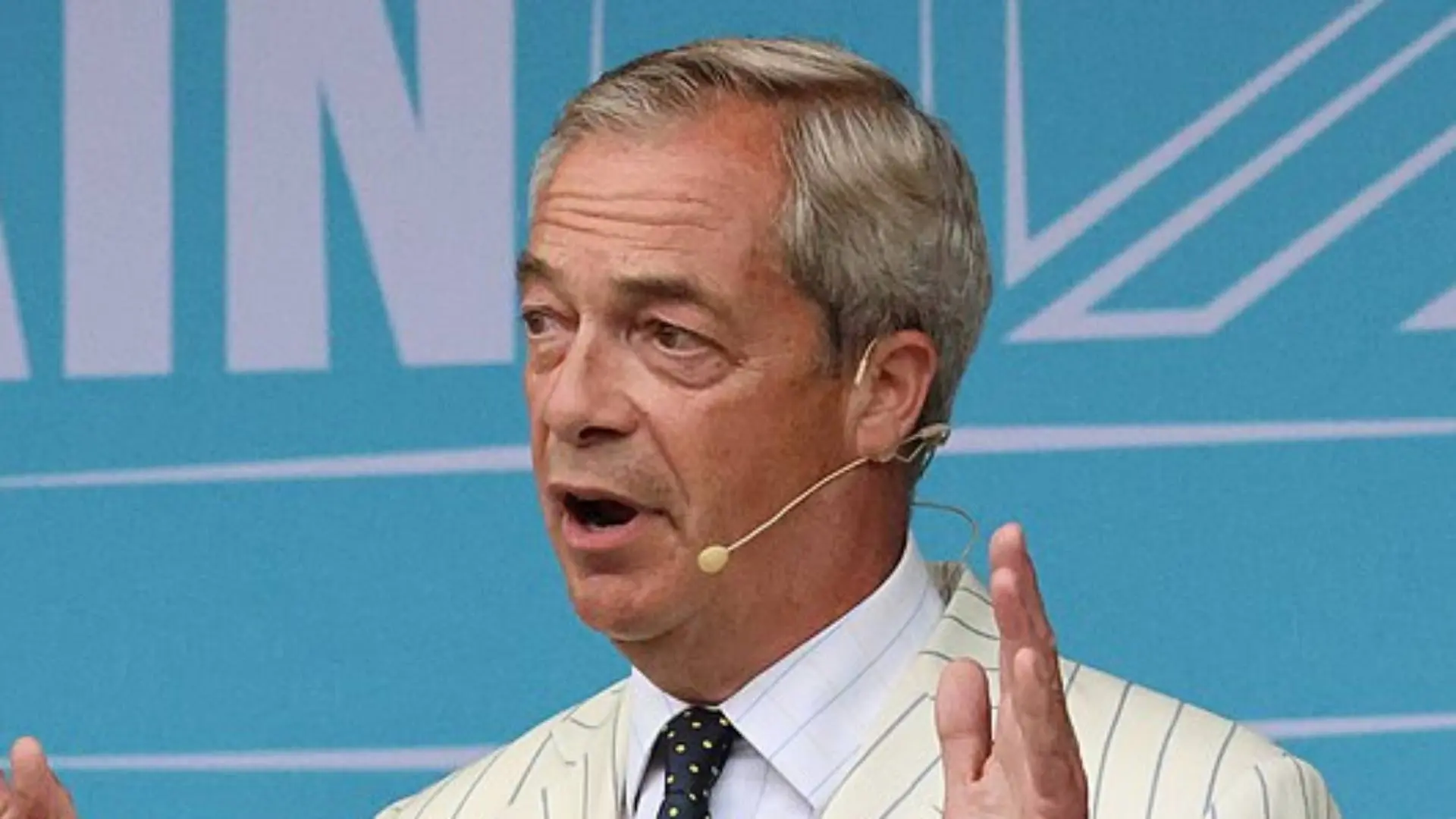
Brexit was sold as a once-in-a-generation chance to “take back control”. For its supporters, leaving the European Union promised greater sovereignty, stronger borders and freedom from Brussels bureaucracy. But for many LGBTQ+ people, the 2016 referendum brought a different set of questions: “What protections were being left behind, and who would hold future governments to account?”
Unlike most subjects in this series, Brexit isn’t a person. And, while its impact on LGBTQ+ people wasn’t always obvious at the ballot box, it has become harder to ignore with each passing year.
So, to mark its 10-year anniversary (23 June), what do the receipts say?
2016 ×
The UK voted to leave the European Union.
In the months following the referendum, LGBTQ+ charity Galop reported a 147% increase in LGBTQ+ victims seeking support compared with the same period the previous year. Some incidents involved perpetrators invoking Brexit or anti-immigrant rhetoric, prompting concerns among campaigners that the vote had emboldened hostility towards minorities.
2016 ×
Police forces across England and Wales recorded a broader spike in hate crime following the referendum. While not exclusively anti-LGBTQ+, equality groups warned that the increasingly polarised political atmosphere was having consequences for minority communities.
2017 ×
Parliament confirmed that the EU Charter of Fundamental Rights would not be incorporated into domestic law after Brexit.
Among the rights lost was Article 21, which explicitly prohibited discrimination on the grounds of sexual orientation. Lawyers and campaigners warned that Britain was voluntarily removing an important layer of protection.
2018 ×
The Equality and Human Rights Commission warned that Brexit could make it harder for Britain to keep pace with future equality developments taking place across Europe.
2018-2020 ×
LGBTQ+ charities, academics and advocacy groups warned that leaving the EU threatened funding streams and cross-border partnerships previously available through European programmes. Organisations also lost access to networks designed to share best practice on tackling discrimination.
2019 ×
British LGBTQ+ organisations lost their ability to directly influence future EU equality policies and legislation, despite many of those decisions continuing to affect British citizens living and working abroad.
2020 ×
The European Union unveiled its first-ever LGBTQI Equality Strategy, committing member states to a coordinated approach to combating discrimination and advancing LGBTQ+ rights.
Outside the bloc, Britain no longer had a seat at the table.
2020 ×
The end of the transition period meant the UK ceased participation in several European institutions and no longer benefited from the “soft pressure” exerted by bodies such as the EU Agency for Fundamental Rights. Campaigners argued this removed an important source of accountability.
2021 ✓
The UK retained and, in some areas, strengthened LGBTQ+ protections after leaving the EU, despite warnings from campaigners that rights could be weakened.
The government maintained key equality legislation, including the Equality Act 2010, and continued to rank among Europe’s stronger legal frameworks for LGBTQ+ people. Brexit did not result in the rollback of same-sex marriage, anti-discrimination protections or adoption rights, as some campaigners had feared.
2022 ?
Supporters of Brexit argued that leaving the EU gave the UK greater freedom to design its own equality policies without needing to align with European frameworks.
While critics questioned whether this flexibility had delivered tangible benefits for LGBTQ+ people, the UK retained the ability to introduce new protections independently of EU institutions.
2022 ×
Northern Ireland’s post-Brexit arrangements created a unique legal landscape in which some EU-derived protections remained while others diverged, adding complexity and uncertainty to rights frameworks.
VERDICT
Brexit was never sold as an anti-LGBTQ+ project.
There were no campaign buses promising to roll back equal marriage, and many prominent Leave supporters backed LGBTQ+ rights. Britain had, in many respects, been ahead of Europe on issues such as civil partnerships and same-sex marriage.
But rights are about more than legislation.
The receipts suggest Brexit meant walking away from the EU Charter of Fundamental Rights, losing influence over future equality policy, cutting off funding streams and removing a layer of international oversight. Combined with a spike in hate crimes and an increasingly polarised political climate, many LGBTQ+ campaigners believe queer Britain emerged weaker.