
Disability Pride Month: Nearly half of LGBTQ+ disabled people experience frequent loneliness
Belonging Forum has outlined guidance as to how communities, the workplace, and institutions can help benefit LGBTQ+ disabled people in July and beyond
By Aaron Sugg
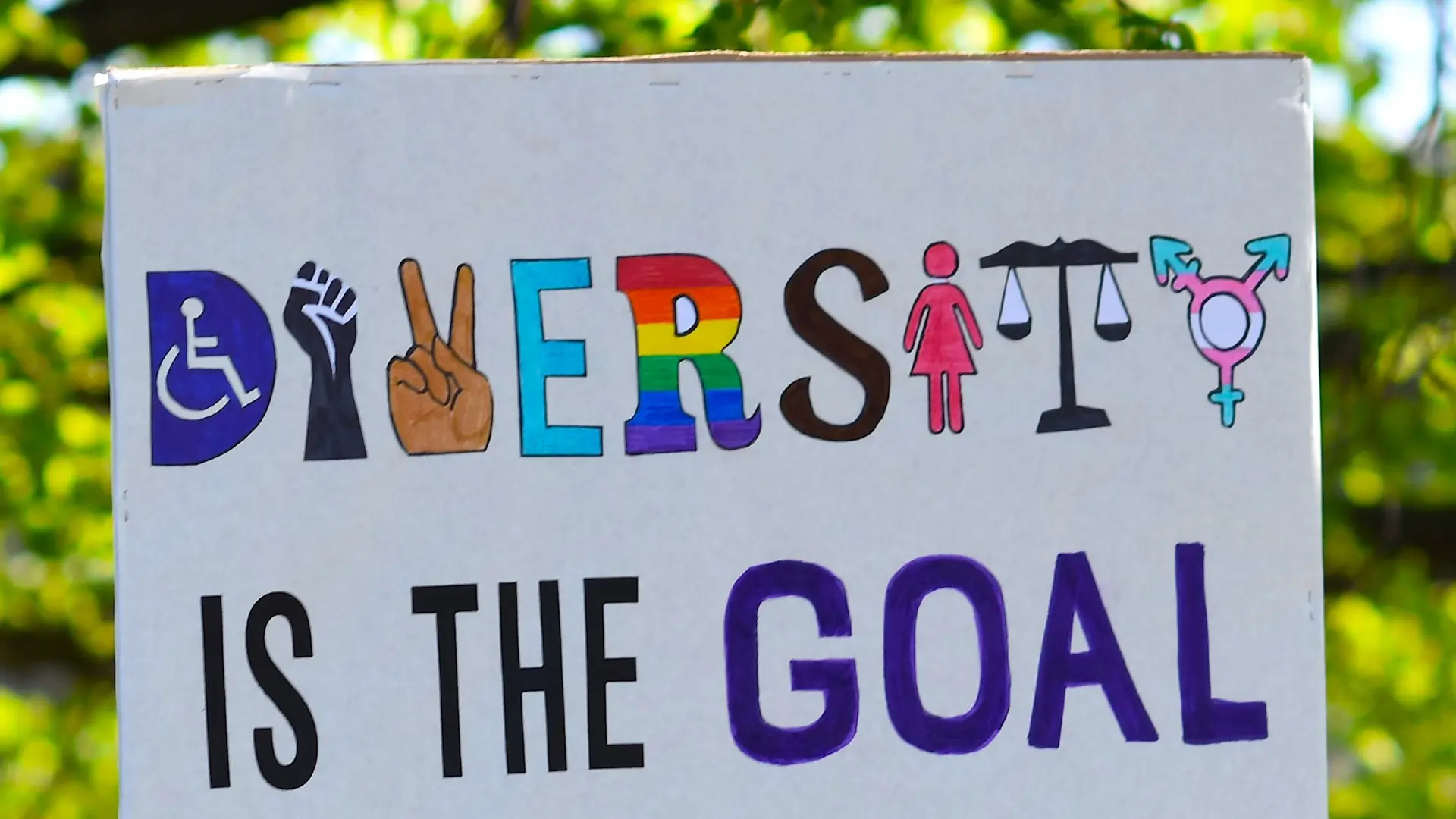
To mark Disability Pride Month, a new study by Belonging Forum has uncovered that nearly half of UK LGBTQ+ disabled people experience frequent loneliness.
July honours disability identity and community rights, a tradition that began in Boston, US, in 1990, and has gone on to become a global movement, moving to the UK in 2009.
The study, which comprised over 10,000 adults, showed that disabled LGBTQ+ people experience some of the greatest challenges around belonging and inclusion.
LGBTQ+ disabled people experience frequent loneliness compared to their heterosexual counterparts
One of the most concerning statistics exposed that 48 per cent of disabled LGBTQ+ people often feel lonely, compared with 37 per cent of disabled people overall.
Forty per cent of disabled people who identify as LGBTQ+ do not feel they belong in their communities, compared with 34 per cent of disabled people overall.
The report highlighted that disabled LGBTQ+ people face larger barriers in general compared with their heterosexual counterparts. Challenges include feeling connected to their communities, experiencing loneliness, accessing support and shared spaces, and feeling represented by decision-makers.
Belonging Forum says Disability Pride Month is to “understand the barriers” that LGBTQ+ impaired people face
Kim Samuel, Founder of the Belonging Forum, spoke about the importance of Disability Pride Month following the concerning statistics, calling for action as barriers persist.
“Disability Pride Month is an opportunity not only to celebrate the achievements, contributions and resilience of people with disabilities, but also to understand the barriers that can make belonging harder to achieve,” said Samuel in a news release.
“Our research shows that many disabled people have strong friendships and meaningful relationships, yet still face barriers that make it harder to participate fully in community life, access shared spaces and feel heard by the institutions that shape their lives.
“Belonging is about more than social connection. It is about being able to take part, contribute, feel valued and have your voice heard. These aren’t abstract ideals – they are things we can design for. By putting belonging at the heart of our communities, workplaces and public institutions, we can remove barriers that prevent people from participating fully in society.”
What can you do to help?
The report outlines the importance of embedding belonging in the design of communities, workplaces, public services and institutions.
Belonging Forum advises the above to sign its Global Charter for Belonging, which outlines the actions bodies should take to accommodate the LGBTQ+ disabled community.