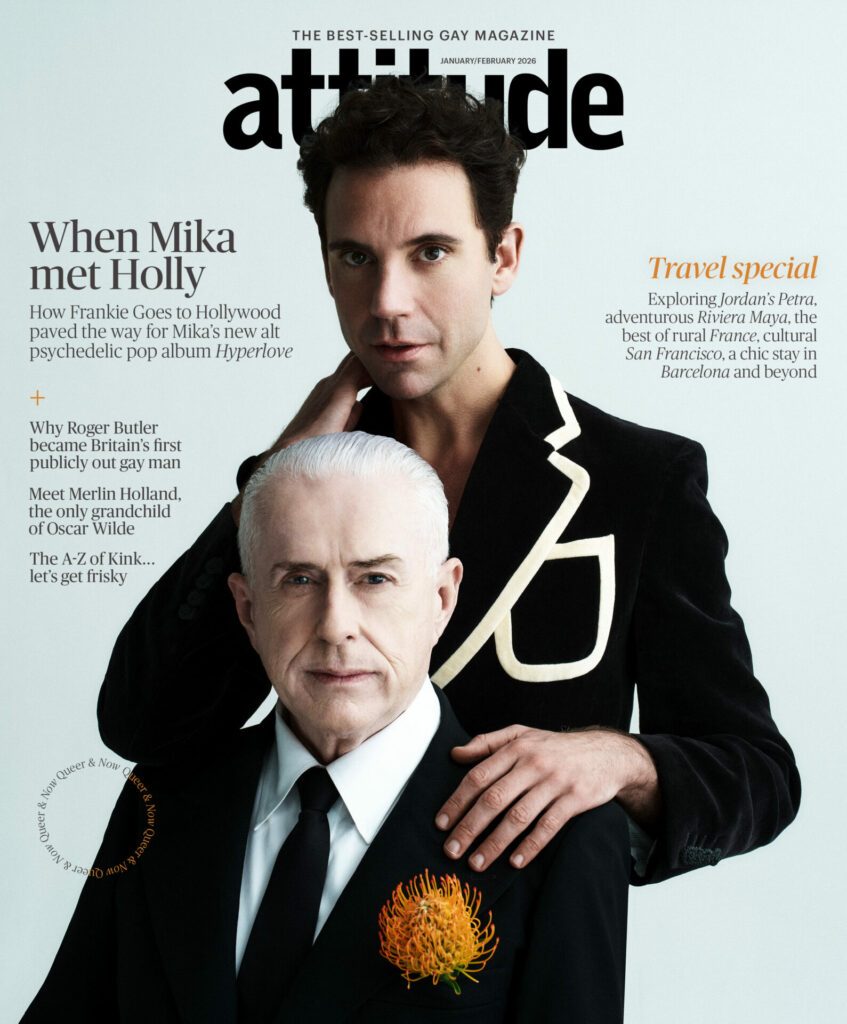
Can you be your authentic self while abroad as a queer person?
Talisa Garcia, Myles Sexton, Nick Ede and Olivia Campbell-Cavendish give their take in our regular Foursight feature
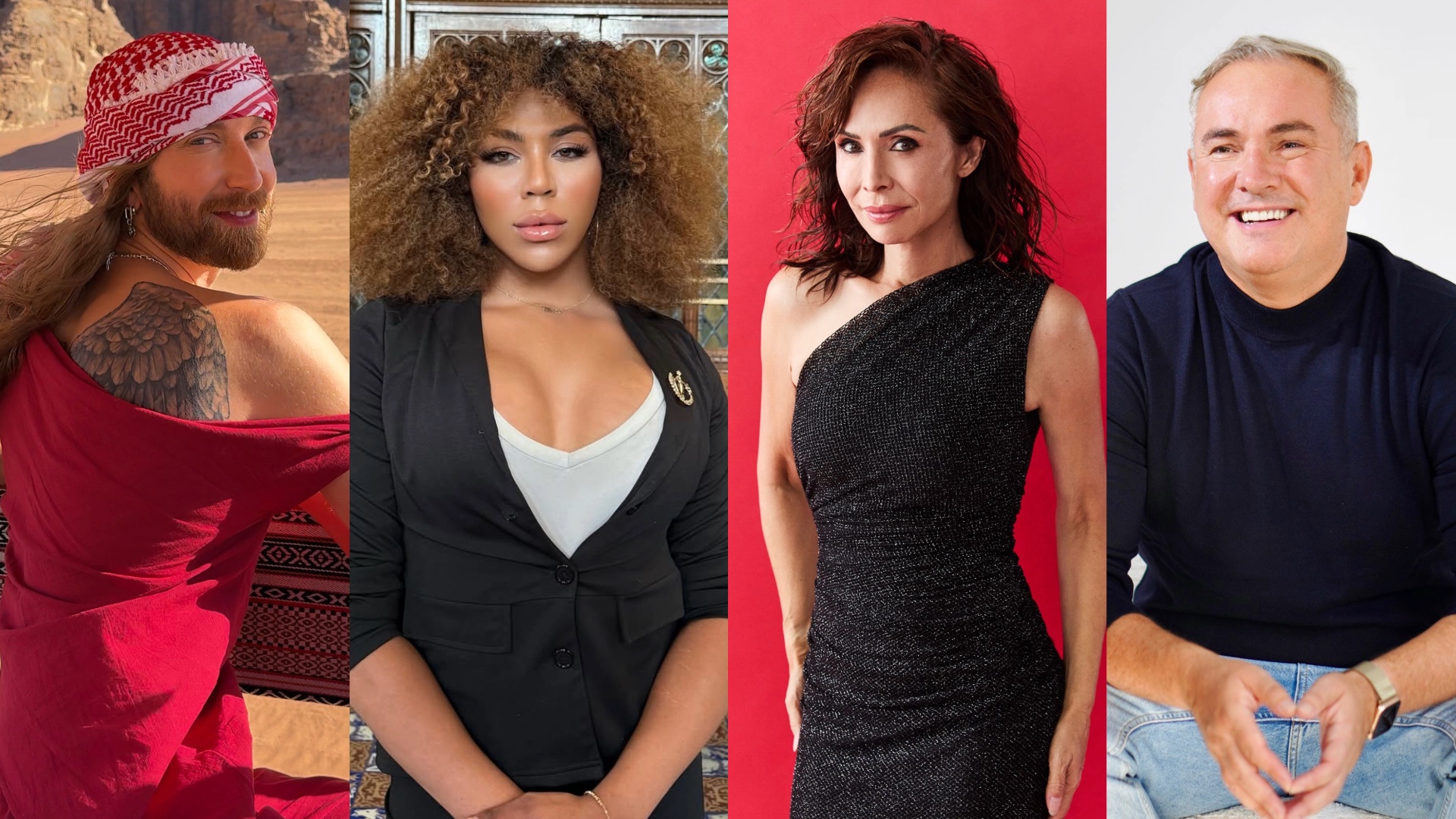

Talisa Garcia (she/her)
Actress
I’m always myself – I’ve come too far not to be – but I’ve learned that being queer and travelling comes with its own checklist. Passport – check, tickets – check, appropriate wardrobe choices for this country – check, think before you speak at immigration – check. I’ve been incredibly lucky on my journeys, but I’m conscious that the moment you cross a border, rules can change in ways that affect something as simple as being open about who you are.
Travelling as a trans woman means carrying a mix of confidence and awareness. I always travel as myself, but I stay informed. A look at local laws and attitudes has become as essential as checking the weather. It’s not about changing who I am; it’s about navigating the world safely so I can enjoy it fully. In places where LGBTQ+ rights are strong, I feel like I’m on full volume. In other destinations, I may still be the same woman – just without the added Talisa extra-ness! It’s a balance between joy and responsibility. Ultimately, being authentic isn’t just about expression; it’s about knowing how to show up as yourself while respecting the realities of the places you visit.
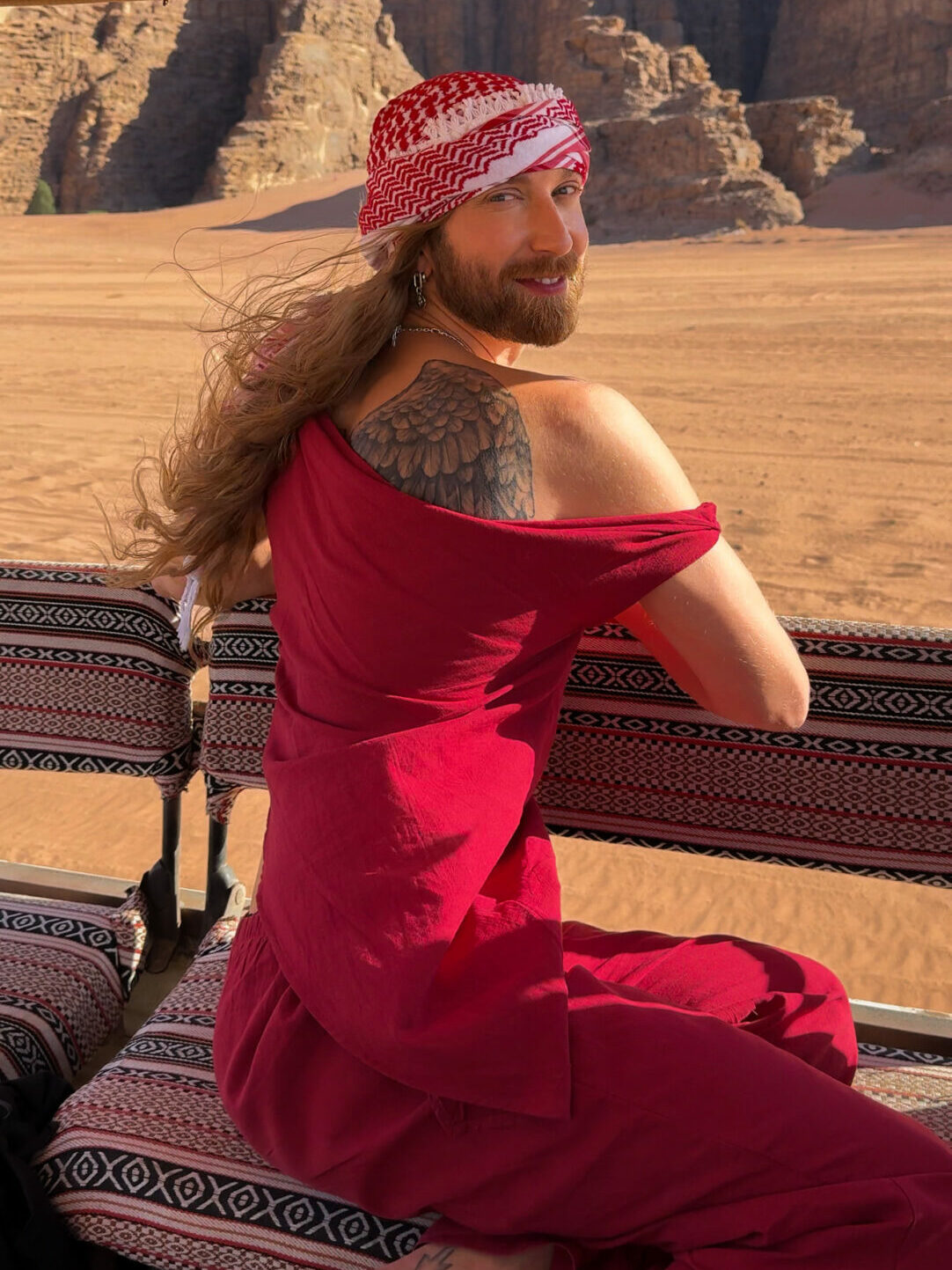
Myles Sexton (they/them)
Style expert
As a non-binary person, I am constantly challenged to choose between my safety or my authenticity. For years I held myself back from travelling outside Canada because it felt very dysphoric to hide who I was on vacation. As I’ve got older and built a stronger sense of self, it has empowered me to not live in fear. I have travelled to 21 countries and shown up to every one as my authentic self. There was a lot of research that went into these trips, such as finding an inclusive travel company like G Adventures. They have helped me travel to places like Jordan in the Middle East. While I was travelling there, I didn’t feel unsafe at all. Despite me wearing outfits that challenge the local gender norms, the locals were friendly and complimented me frequently. I have found a lot of safety within group travel and would encourage other members of the LGBTQ+ community to try it. I do, however, need to recognise my privilege as a white-presenting person who also looks like a tourist when I travel. Many BIPOC LGBTQ+ people who come as a tourist or live locally within the countries I travel to will face more discrimination compared to me.

Nick Ede (he/him)
TV presenter and brand expert
When I booked our honeymoon to Kenya, I didn’t think twice about the LGBTQ+ laws. I thought: safari, sunsets, champagne – what could go wrong? However, the moment staff clocked we were two men, our double room was magically transformed into twin beds. When room service came, I’d hide in the bathroom or fake-sleep in the other bed like a guilty teenager. Every meal was a tense experience with all eyes on us, so we skipped wine in case one glass too many made us forget to “behave”. I am an expressive person, so having to restrict my emotions felt alien to me. The sadness wasn’t just for me and my husband, supposed to be celebrating the happiest time of our lives, but for a country full of people forced to hide who they are.
Neither the airline, tour operator nor booking site mentioned the laws to us, which I perceive as negligence, but I acknowledge my naivety. Statista ranks only a handful of countries, like Spain, Iceland and Malta, as truly safe for LGBTQ+ travellers. I am respectful of religion and rules, but travel should broaden your horizons, not make you shrink yourself to become fearful and inauthentic.
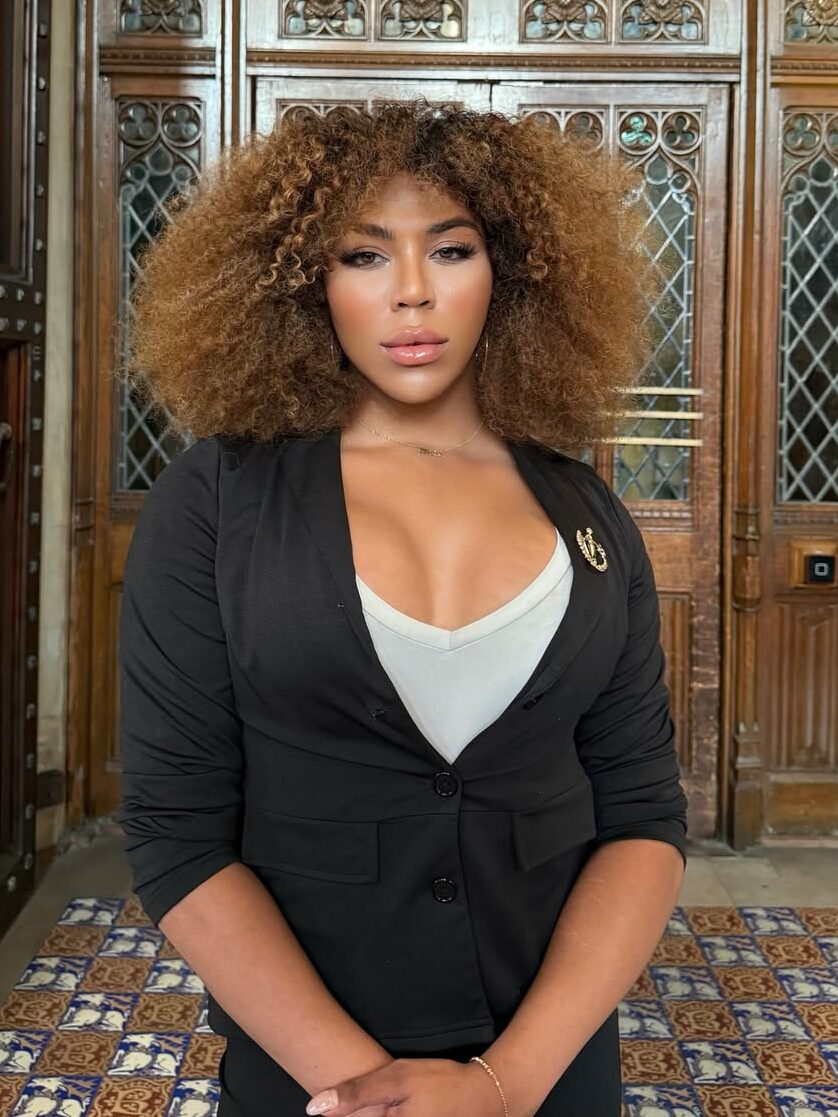
Olivia Campbell-Cavendish (she/her)
Founder, Trans Legal Clinic
I travel a lot for work. I keep my look simple. Border staff get a calm script. Hotel receptionists get a polite request. Authenticity is a dial. Sometimes I turn it up with a red lip in Athens; sometimes I turn it down with a hoodie in Cairo. What matters is the dial stays in your hand. My early transition felt very different to now. Passability has brought me safety, which is undeniable, but my goal has never been to pass.
For many trans people, their documents do not match their bodies or the way they move through the world. Over 99 per cent are excluded from the UK’s gender recognition system, with fewer than one per cent holding a Gender Recognition Certificate. Borders and hotels can be a nightmare to navigate. Update what you can and carry a folder explaining what cannot yet be changed. Check the law where you’re going: do they recognise trans identities, and what protections exist against hate crime? Some countries require a dysphoria diagnosis; others don’t. If you can, get a clinician’s letter; if not, a brief statement from family or a friend. Plan ahead, prioritise safety, define yourself, keep going.
This feature appeared in Attitude’s January/February 2026 issue.
Subscribe to Attitude magazine in print, download the Attitude app, and follow Attitude on Apple News+. Plus, find Attitude on Instagram, Facebook, TikTok, X and YouTube.