Play On creators discuss oversexualised changing room culture, homophobia and the fight for inclusivity in football (EXCLUSIVE)
"Does someone think I’m looking at them when I’m not? Do people assume something about me if I look at them too long?" asks director John Reavey
By Aaron Sugg
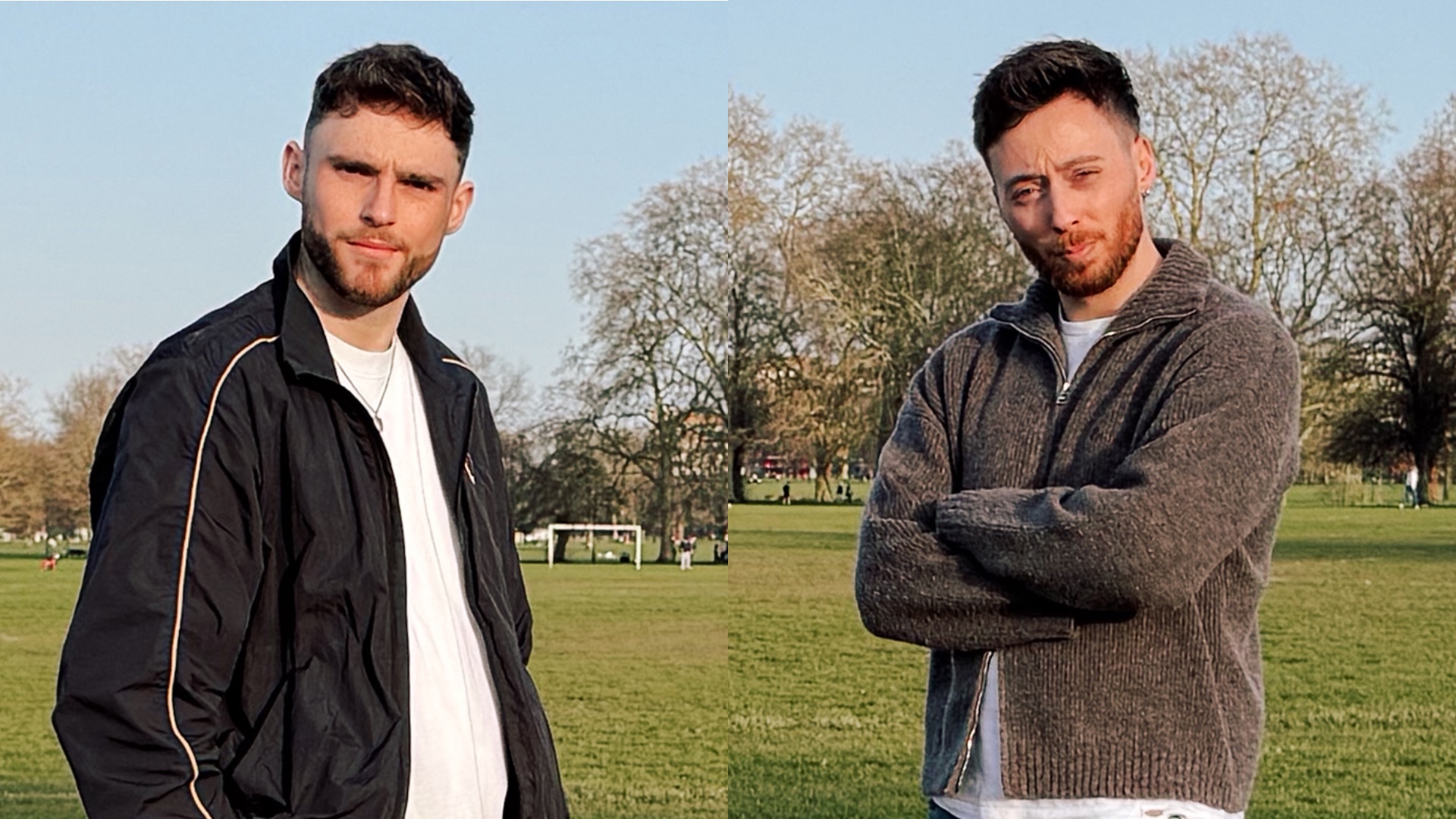
The creators of Play On, an LGBTQ+ short film that follows Joe Revens (Myndstate) falling in and out of love with football, reveal the true story of their love-hate relationship with the game.
Last month, Myndstate and director John Reavey teamed up with Football v Homophobia for their annual Month of Action, amid rising statistics of discrimination in football.
In this interview with Attitude, the pair discuss how they fell back in love with the game after enduring the toxic and unsafe culture of changing rooms, homophobia on and off the pitch, and how LGBTQ+-inclusive clubs and leagues reignited their passion for the game.
Attitude: For anyone who hasn’t seen Play On, how would you describe the show?
Myndstate: This is my true story about my journey in football and my love-hate relationship with it. It starts with me as a football-mad kid, around eight years old, and moves through my teens when I began realizing that something about me was different, my sexuality was kind of coming into play, and it didn’t really fit with my experience on the football pitch. I didn’t always feel welcome, and eventually, that led me to leave the sport.
The story also covers how I found my way back into football, discovering the LGBTQ+ space within the game. That’s where I am today – still loving football, proud and openly gay, but aware that I don’t always feel fully welcome in the sport I care about.
It’s been a turbulent journey, but one filled with hope and positivity. It shows that things can change, and that it’s possible to find your space, even in a world that doesn’t always feel inclusive.
What sparked the idea for this story?
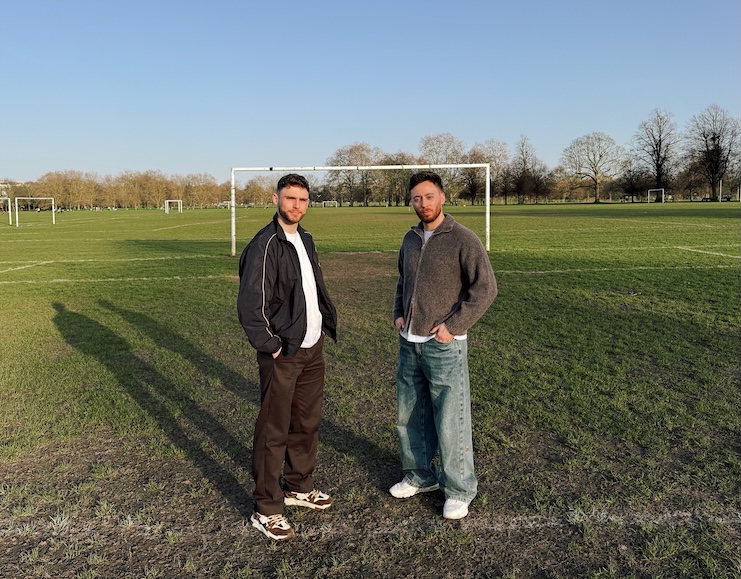
John: I grew up never being great at football, but I was always a big fan. And I think there’s a love-hate relationship with the sport when your sexuality becomes an obstacle. I never saw any representation. I’m from a very small, rural place in Ireland, and I didn’t know any queer football players. In my mind, they didn’t exist.
It wasn’t until I moved to London that I discovered queer spaces in football existed – people like me played the game, were good at it, and loved it just as much as everyone else. That’s where my journey really began. Joe and I met playing inclusive football, and we’ve both been through the process of accepting ourselves, finding where we belong.
Ultimately, we’re still fighting for it. Although we’ve been able to gain our confidence back, there’s so many people who wouldn’t have made the steps that me and Joe have made. They could still be like me back in rural Ireland, without representation, and therefore give up the sport, and walk away from something that could change your life.
Myndstate, what made you feel unsafe whilst participating in the sport?
Myndstate: Because of all the insults, the discriminatory behaviour, and the homophobia that was very present. Because I wasn’t out, they didn’t know I was gay, and maybe because I wasn’t assumed gay, they thought they could get away it. And that wasn’t just in my team; that was in the football world as a whole. Every time I went to a match, in whatever league, from grassroots up to the Premier League, all you hear is abuse, slurs, jeers and homophobic language. The more I battled with my sexuality, the more those insults felt personal to me. I kept thinking, why should I give all my effort, attention, and energy to a game that doesn’t really love me back?
It wasn’t until I found LGBTQ+ football, which I didn’t even think was a thing, that I kind of found this safe environment. I was like: “Oh wait, you can be gay and you can play football. You can be queer or trans and play football.” I went to a game and there was no abuse, and I played a match and being gay wasn’t my downfall or weakness.
John, was there a particular moment where you thought something needs to change?
John: I grew up playing Gaelic football in rural Ireland. And similar to Joe, there was a lack of representation. Constantly, I was obviously being asked about how my “girlfriend hunt” was going, and what I was doing outside of that was never really considered. Also, how queer people were spoken about in the dressing room, those attitudes from a young age stick with you. So I stepped away from Gaelic football because I didn’t feel like it was the right space, and I didn’t feel comfortable.
I actually kind of came back into football through work. I was such a passionate filmmaker and fascinated by the stories in football. I met a friend, Alex Bernal, who played for the inclusive football team I played for. I was fascinated that he was such a talented player, genuinely levels above anyone I’d met, who had been in the academy system and played at a high level, but had walked away from it. I made a documentary on it, and I think that was when I started piecing together that there are people out there like me, and this could be my route back in.
So, through my love of filmmaking and my connection to the sport, my love for the sport, I naturally felt like I could make my way back in.
How did changing room culture affect your love for the game?
John: You end up overanalysing and overthinking everything. Does someone think I’m looking at them when I’m not? Do people assume something about me if I look at them too long, even if I’m literally just talking to them? Suddenly, the whole experience in a changing room becomes extremely anxious.
In reality, most people around you probably aren’t thinking that, and it’s similar in gym situations. I’ve now brought myself back to playing Gaelic football as an openly proud man. I only started doing this at the start of this year. I feel comfortable in the dressing room, and I think it’s a journey you need to go on to understand that people don’t think those things about you, and if they do, they’re completely wrong.
It’s a confidence battle as well as a challenge of space. When you’re hiding so much, especially growing up, it can feel shameful, you feel like you don’t belong there.
Myndstate: They should be a space of friendship and camaraderie – getting prepared for a match – being all together rather than this place that is oversexualised.
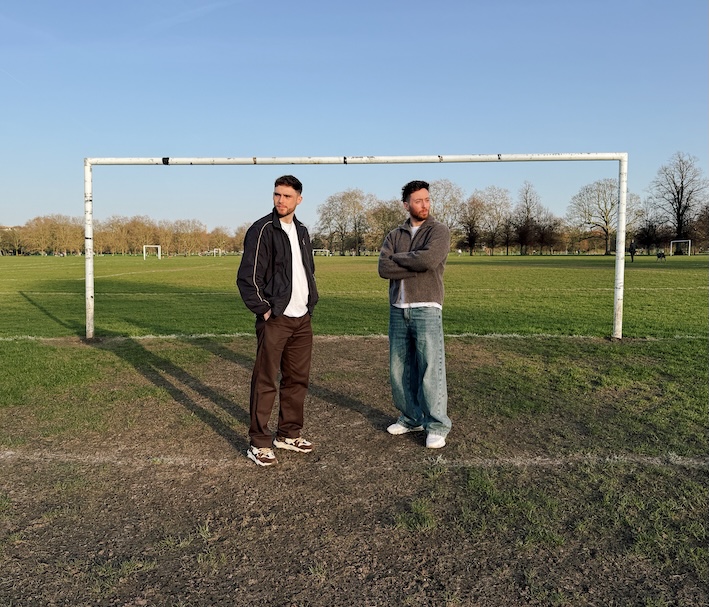
Growing up, when was the first time you saw yourself represented in football?
Myndstate: I don’t know if I’ve seen it. In terms of football as a whole, especially at the higher levels where there’s more influence, media, and sway, I still don’t think I’ve really seen it. And I don’t know if John agrees with me, but because there isn’t a high-profile player having longevity in the game and a successful career – being treated in the media as a footballer, and not because of their sexuality – we haven’t seen that.
John: I do want to shout out one person, Jamal Howlett-Mundo, who is a high-level semi-pro, openly queer player. I remember the first time I met him, he spoke amazingly, and I really respected how confident he was. He was a true leader and was able to make his sexuality well known and part of his personality, but at the same time, when it came to the pitch, it had nothing to do with it. He is a really dominant centre-back, the complete opposite of the stereotypes people try to put on queer players.
Why is initiatives like Football v Homophobia’s Month of Action still so important, how has it impacted you both personally?
Myndstate: the main reason is that homophobic instances are still prevalent and are still on the rise. A lot more is being reported, and I think a lot of people feel that reporting these instances is a solution, but the underlying issues of why those instances are happening aren’t really being looked into. The education, the awareness, those kinds of things are lacking, and they’re so important for people to understand these narratives and different stories, so everyone should feel safe and included in the sport.
No one should have to shy away from football because of who they are and how they identify. That shouldn’t be a matter in the sport, but unfortunately, it still is, and it’s still happening. There’s a lot more that needs to be done. That’s why partnering with Football vs Homophobia was vital for us.
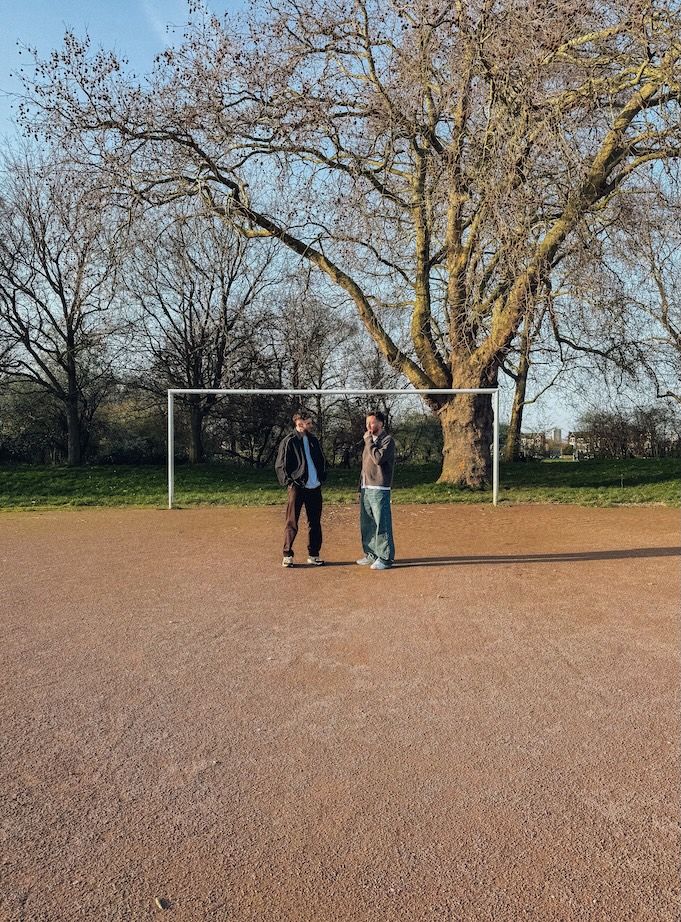
What might be your advice to a young football player struggling with their sexuality?
Myndstate: I want them to know that they’ll find their place in the game, that they shouldn’t lose hope, and that there are safe spaces. And although they might not feel as welcome, they are still loved and deserve to succeed in the sport. I hope that by being themselves, it doesn’t make them want to walk away from something they love.
Yeah, so it’s a message of hope. It’s difficult, and it’s not an easy journey. But the representation is getting there, the education is getting there, the safeguarding stuff – things are being put in place and set in motion. So yeah, don’t lose hope.
John: I want them to remember that their sexuality doesn’t impact their talent. It’s a completely different journey. Whatever struggles they face are all part of the journey. It’s never going to be easy because it hasn’t been done before publicly, in a public setting. I think it comes with big responsibility and a lot of decisions. People come from backgrounds where football is all they can do. It’s their whole life. It’s what they need to do to make it out and to change their life and their families’ lives.
They should speak to themselves and try, like Joe said, to figure out where they belong, but definitely remember that it doesn’t change who you are.
Play On is available to stream now on YouTube.