
JHart on new single ‘Bby Blue’: ‘I feel qualified to represent the gay theatre kids who grew up and found their tribe’ (EXCLUSIVE)
The Grammy-nominated songwriter behind hits for Justin Bieber, Usher and Kylie Minogue steps into his own spotlight with 'Bby Blue', a soul-tinged reflection on healing and self-acceptance
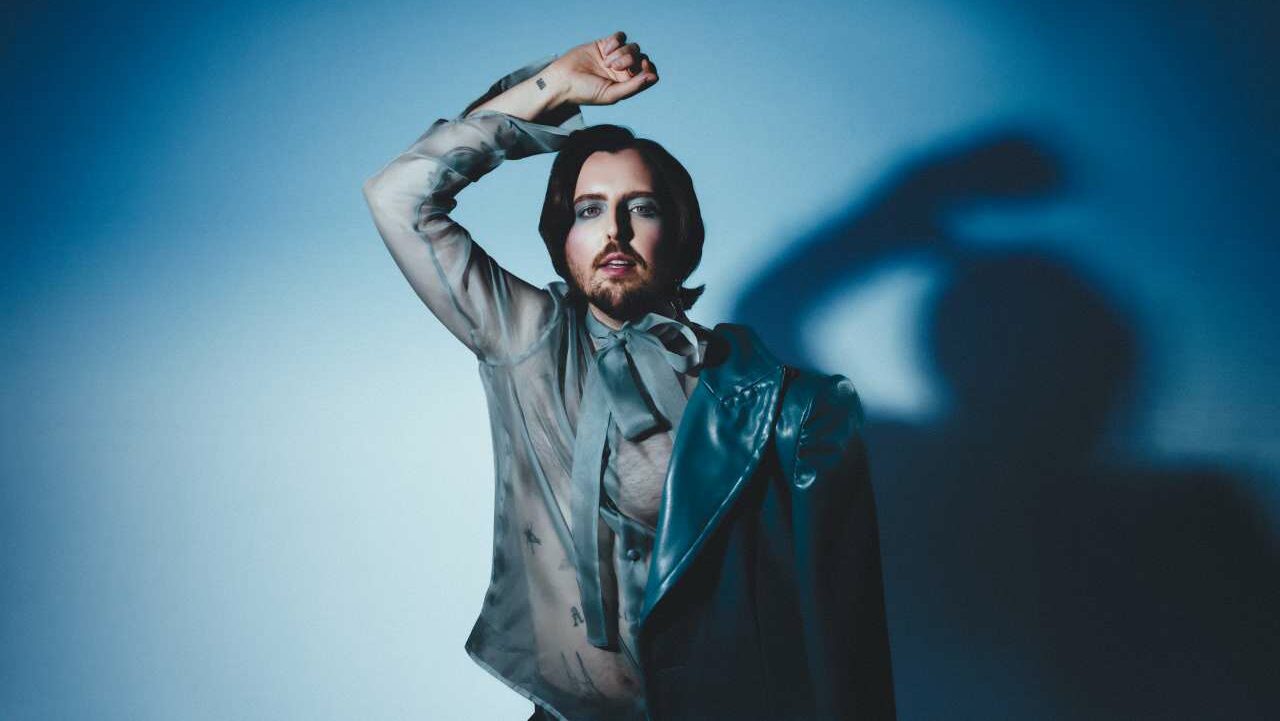
On new single ‘Bby Blue’, out 24 July, Grammy-nominated, platinum-selling singer-songwriter and seven-time Billboard No.1 hitmaker JHart turns inward, framing his most personal release yet as a conversation with the child he used to be.
Built on soulful, contemporary pop and an unhurried, intimate production, the track finds one of the industry’s most in-demand collaborators writing squarely for himself. Across it he sits with healing, identity and self-acceptance, reaching back towards a younger self many people lose while meeting the expectations placed on them.
As he prepares for the release of his new EP, JHart reflects on how writing for other musicians shapes his own artistry, what the LGBTQ+ community means to him, and the work of finding your own sound.
Attitude: Your brand new single ‘Bby Blue’ feels like a love letter to the child within you. If you could sit beside your younger self for a moment, what would you thank them for, and what would you want them to see in the person you’ve become?
JHart: I’d thank him for his resilience, and I’d thank him for being so committed to that video camera because it’s given me so much to reconnect with. Also for taking an early liking to wigs cause I still love a good wig. I’d want him to see the multi-facetedness in my creative endeavors and just how proud I am as a person in my queerness.
Your previous release ‘Memories’ signalled both a sonic and visual evolution for you – why did you feel this song needed to lead your new creative chapter?
I am so proud of that song, it felt like an obvious choice for me to lead because I think it’s really well constructed and hits all the bullet points for me of what I’d like to be known for as an artist. Vocals, amazing writing, timeless production, nostalgia, and a good fade out… lol
How has being a part of the LGBTQ+ community shaped your perspective as both a songwriter and an artist?
Well I think it’s diversified and added a lot of nuance to my perspective and my ability to relate to other artists that I’m collaborating with. I never want to write the most obvious version of the concept, I’m always looking for the nuance and I think queerness has given me access to such an array of life experience that I’m able to tap into. There’s a depth there, so much available to us (queer people) in terms of music, art, fashion, expression, ect and the root of it is the pain and the overcoming of that pain and struggle, and of course the love.
You’ve written and collaborated with some of music’s biggest global artists, including Justin Bieber, Usher, Troye Sivan, Kylie Minogue, Cher, Sabrina Carpenter, Tate McRae, to name a few. How has being a songwriter for other artists helped to shape you as an artist and influenced your own music?
Well it’s been the biggest gift for me. I hope to help other people tell their stories for a long time to come. Being around greatness and being exposed to many of the commonalities that differentiate the true creatives and the success stories from the others, it’s so inspiring to see, and also to recognise those qualities in myself and just feel reassured that, yes, I have always had it and, yes, I am in the right place around the right people.
How do you separate yourself creatively from writing for others and writing for yourself?
That’s an easy one, intention. I don’t treat my career like a sort of show up and see what happens. When I’m writing for others I’m going into it in service of someone else, I’m not in the room doing riffs and runs, I’m really just wanting to be attentive to what the artist wants to say and finding how I relate to it so I can contribute in an honest way. When I’m writing for me, I’m the star and I can say whatever I want to say, collaboration be damned! Haha, no I work with amazing creatives on my artist stuff and it’s still collaborative, but I’m definitely steering.
If you were to form your own JHart super-group, based on people you’ve either collaborated with or would like to in the future, who would be top of the list?
Omg, my immediate thought was Beyonce but out of respect to the lovely ladies of Destiny’s Dhild I won’t include her even though god I love her. I’m gonna say Durand Bernarr, Tori Kelly, and me… my brain is wanting to build out the full band but I’m getting overwhelmed so I’m gonna leave it as that.
You were born in London, raised in Atlanta, and now call Los Angeles home. Has your location and surroundings creatively or personally unlocked anything for you which has influenced your music or helped to shape your identity, and in what ways?
Definitely. The UK definitely did so much for me growing up in terms of access to amazing europop. I think my love for anthemic pop and soaring melodies comes from that. I’m so grateful I was there during the late 90’s, and then got to spend the 2000’s in Atlanta during the age of OutKast, TLC, Usher and the LaFace years. I also sang in church in ATL, and much of my vocal inflection and riffing comes from that gospel influence. LA has been instrumental in helping me refine my craft and learn the ropes around bigger fish.
Your career has included milestones such as a Grammy nomination and seven Billboard no.1s. In achievements like that, do you feel you’re representing more than just your music?
In a way I feel like I’m representing the culmination of all my influences and the places that made me. Also the past few years have been special in getting to share some of those moments with friends, many of whom are also are queer and share similar stories of self acceptance, so I feel qualified to represent the gay theatre kids who grew up and found their tribe.
Since you started out in the music industry, how do you feel like it’s changed, and what changes do you still want to see?
The old industry has been dying out for some time, which has its pro’s and con’s. I grew up in an era of artist-developed icons, where mystery was part of the intrigue, whereas the relatability and accessibility of today’s artist is the standard, no media training and developing in real time is all part of what fans buy into. I think the label machine is still very much active, it’s just more insidious in its ability to bolster certain things and make things look organic. But I believe independence is the future, I hope to see more of that and more market share in the hands of creatives. I do think the quality of song has suffered as a result of everyone having access, but I do also believe, maybe naively, that the cream will continue to rise to the top.
You use your platform to champion authenticity, LGBTQ+ visibility, and emerging queer talent – what are some upcoming artists you think everyone needs to check out?
I love what Sekou is doing, Isaac Dunbar, Billy Vena, Eli, Hamza… There are so many talented queer artists. I look forward to collaborating with more and having more big wins with the queer community.
What do you hope your next chapter as an artist will look like?
I hope that my talent and ambition will be served with opportunity in many different directions. I’d love to establish myself as a creative that has a lot to offer, and of course a premiere vocal talent.