
Growing up queer meant I didn’t know which experiences were healthy – until years later
Writer and performer Tobias Graham explores how formative queer experiences using Chatroulette shaped the person he became in his new solo show, Slugs
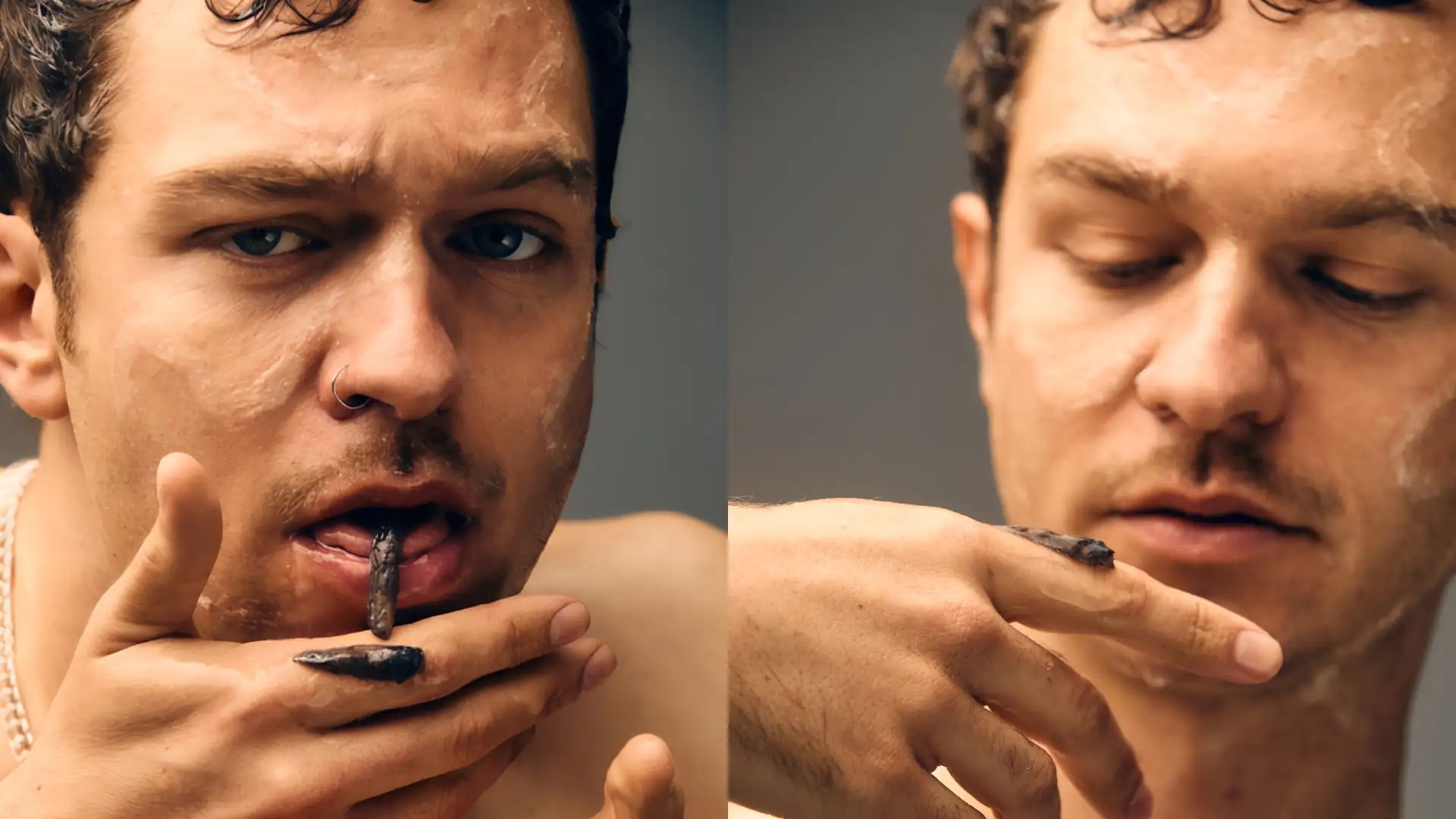
Chatroulette was the height of entertainment for my friends and me. It felt like a mysterious online sex zoo where teenagers who hadn’t made sense of their hormones could watch adult men get naked. We’d laugh at them, we’d judge their choices, and mock their seeming loneliness – but secretly, I fantasised about doing the same thing as them. Growing up in the Kent countryside, it was a tiny window into a world of gay sex that I felt I had no access to. Writing my new solo show, Slugs, which debuts at Edinburgh Fringe this August, has given me the chance to look back at these formative experiences that shaped my queer adolescence.
Exploring my sexuality
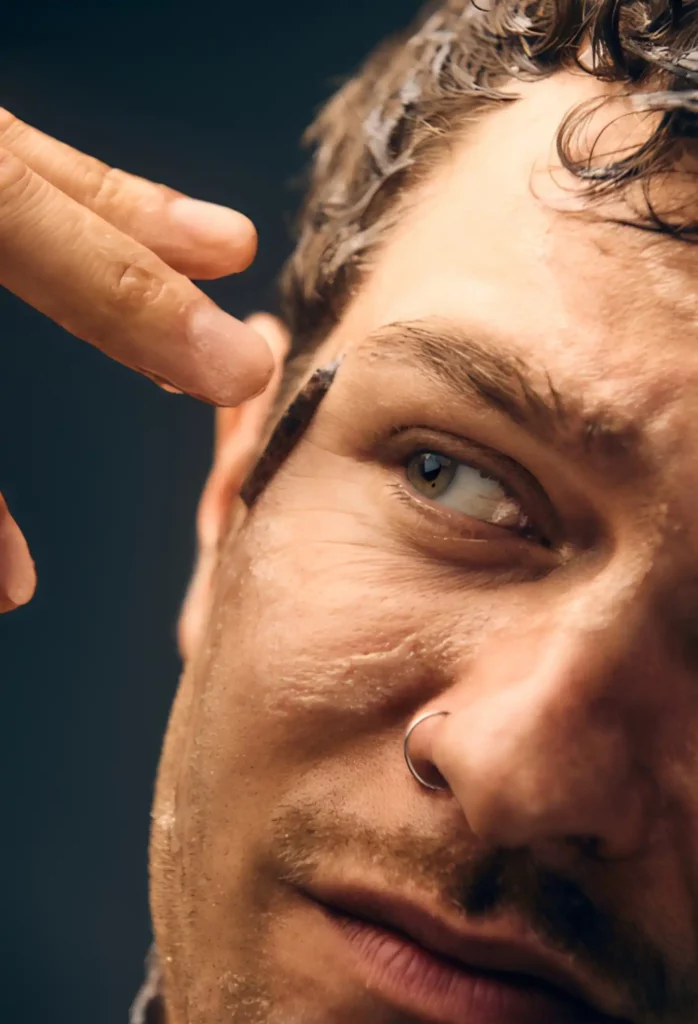
Slugs is an autobiographical show that finds me in the wake of an unsettling incident. Sitting in my childhood bedroom, I piece together kaleidoscopic moments of my sexual discovery in order to make sense of my present shame. Getting naked for strangers online is one of these formative moments, and as my first foray into gay sex, and it left me feeling ashamed and terrified. My friends had already started having sex, and in many ways, they had been guided by the blueprint of heterosexuality; it was in music, TV, movies and even the curriculum. Their experiences also came with complications and confusions, but they were experiences that were often normalised and shared. Unable to admit what I was doing online, I bottled everything up, believing myself to be some kind of freak. Looking back, I’m able to recognise that I was simply attempting to explore my sexuality with the few options I was faced with. Gay boys in Maidstone seemed like a rarity, and when access to the world you desire is limited, you find those strange alleyways that lead you into it.
Reflecting on Chatroulette
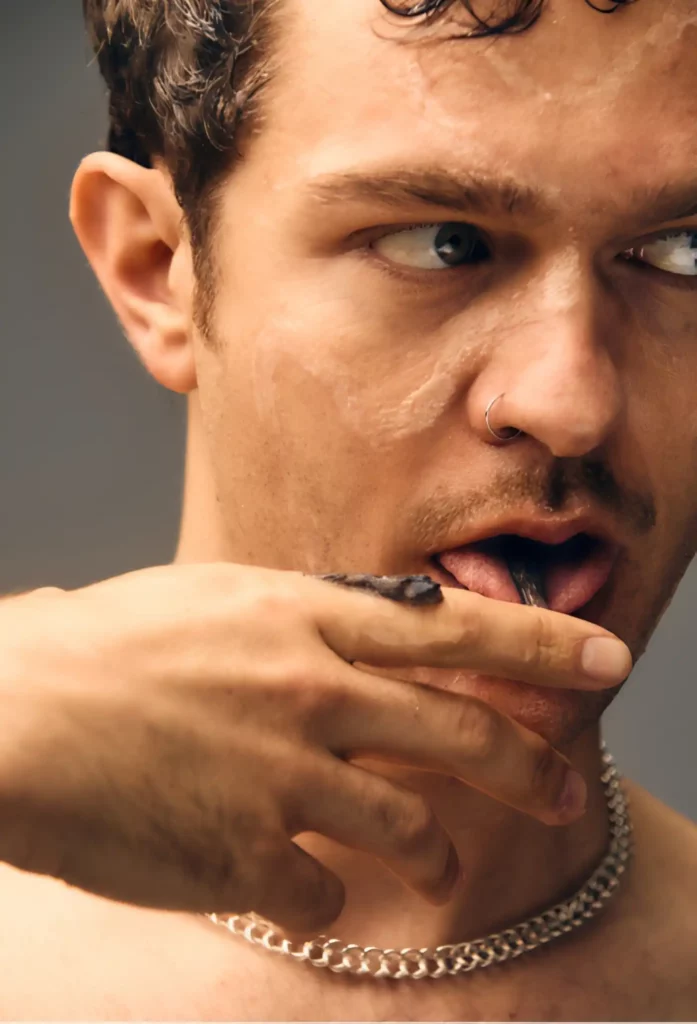
As adults, we’re able to reframe the shame we once felt, but that reflection will always feel tainted with complications. We become both victimised and empowered by our queer adolescence, and this is why so many of us feel the need to reflect on those early years, both to make sense of the confusing emotions we experienced at the time, and to make peace with them. One side of my story on Chatroulette suggests that I was acting on my teenage sexual urges in a way that was both safe and powerful: I chose to do what I did, and it helped me come to terms with my attraction to men. The other side of the story is that I was being encouraged to get naked online by paedophiles who were well aware that I was fifteen. It was only with years of hindsight that I recognised this, and despite my control in opting into that situation, outsiders could view this story as disturbing.
The queer experience
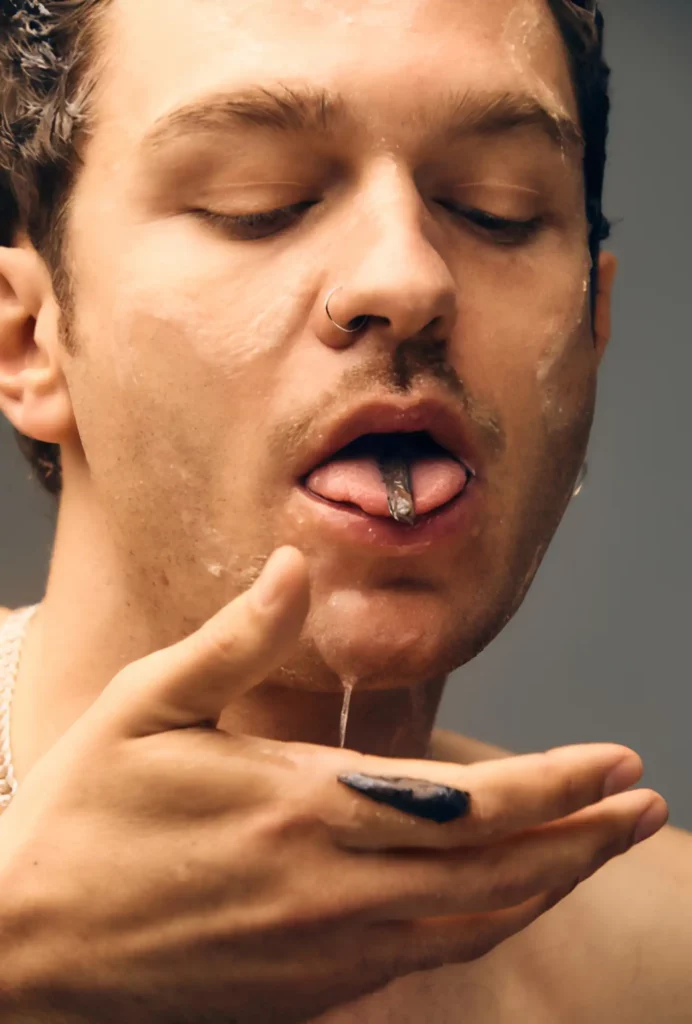
This confusing nuance connects the queer experience: we are empowered by our autonomy, we are victimised by societal perceptions, and we are left ashamed of our actions. This is the trichotomy I wanted to explore in Slugs: despite attempts to discover our own truth with limited resources, outside forces will act to make us, and our desire, feel othered. Despite being thrust upon us by a wider society that dictates the right and wrong way to love, this othering is internalised as shame. I spent much of my adolescence trying to assimilate into this romantic ideal of love; I wanted to be just like Ewan McGregor in Moulin Rouge, hopelessly wallowing in heartbreak. As with many queers, when we are outcast from those normative ideals at an early age, we are led to believe that’s all we’ll deserve. I never saw myself escaping from the fear of my secretive sexual deviances.
Slugs at Edinburgh Fringe
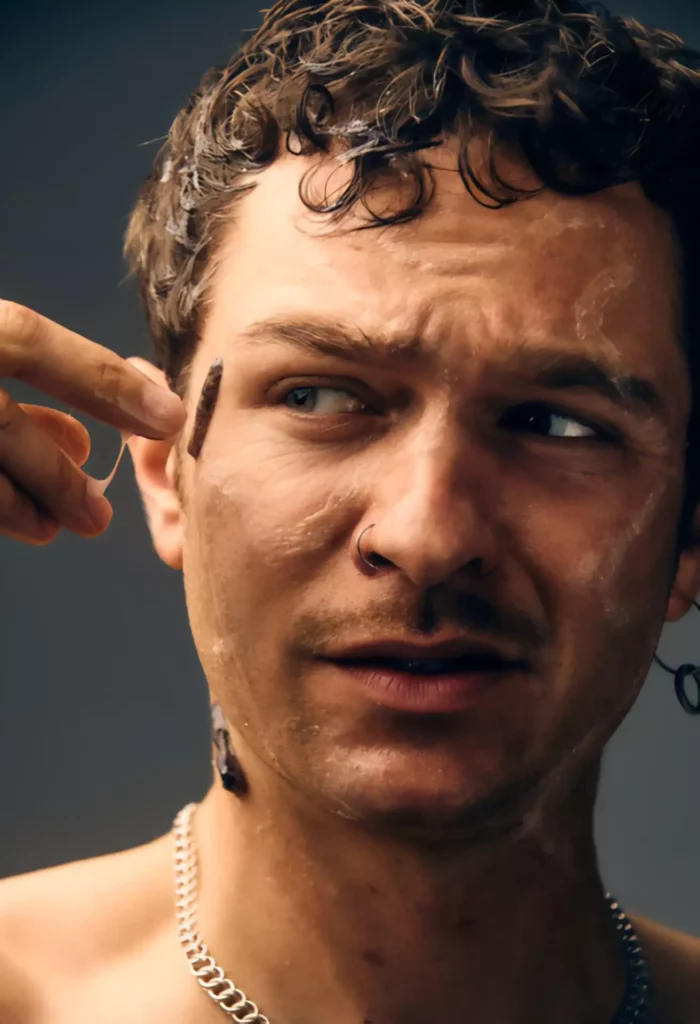
If you’d told fifteen-year-old me that in fifteen years’ time he’d not only be taking a show to the Edinburgh Fringe that exposed these secrets, but he’d also be writing about them for Attitude, he’d have gone cold. But fifteen-year-old me would realise many aspects of his future haven’t played out exactly to plan. There’s no boyfriend. There are no red carpets. There’s no best-selling album. There’s no puppy, or baby, and there’s no Zac Efron circa 2013 six pack. There’s none of that, because all of that was fantasy. In the making of my show, I’ve thought a lot about that fifteen-year-old. I don’t think he would be proud of the adult he became or the choices he’s made along the way. But the adult is proud of him, for being brave in his adolescent sexual exploration, and for resisting shame-driven conformity in favour of authenticity. That’s the gift of looking back; you realise that you no longer recognise that child, but you’re grateful to them for giving you permission to become the faggot you were always destined to be.