
Trinidad and Tobago’s anti-gay laws to be challenged in landmark London appeal
Five Caribbean LGBTQ+ organisations, including Colours Caribbean, have been granted permission to intervene in the case
By Aaron Sugg
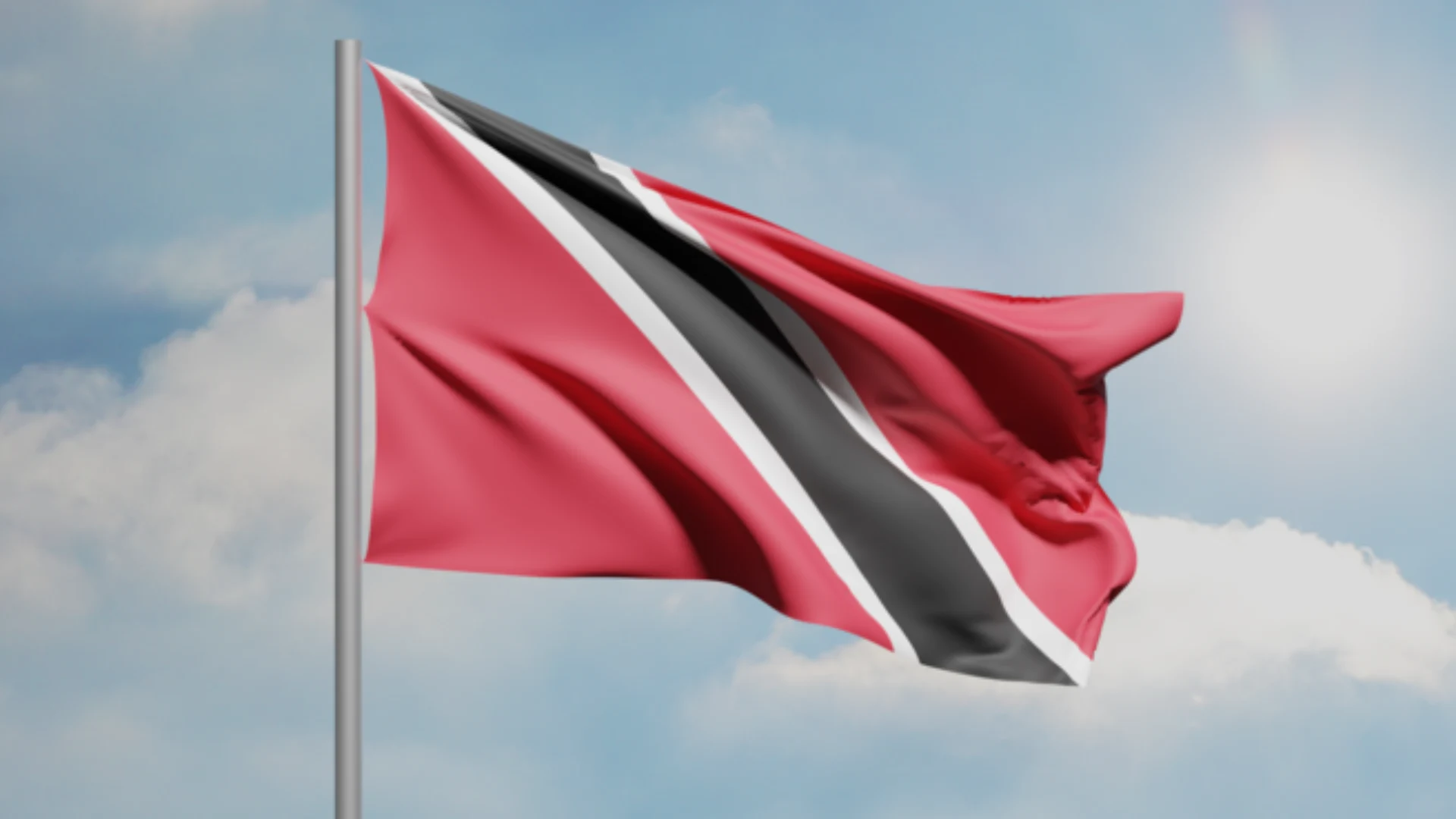
A major legal appeal is being heard by the Judicial Committee of the Privy Council (JCPC) on 8 July concerning laws in Trinidad and Tobago that criminalise consensual same-sex intimacy.
In 2025, Trinidad and Tobago’s Court of Appeal overturned a landmark 2018 ruling that had determined laws criminalising same-sex intimacy were “unconstitutional”.
Those who engage in same-sex relations face maximum penalties of five years’ imprisonment for “buggery” (anal sex) and two years’ imprisonment for “gross indecency”.
The appeal will take place in London to tackle Trinidad and Tobago anti-gay laws
The JCPC hearing will take place in London at the UK Supreme Court building, despite the case involving Trinidad and Tobago, a sovereign Caribbean republic.
Five Caribbean LGBTQ+ organisations, including Colours Caribbean, have been granted permission to intervene in the case, with legal support from Harvard Law School’s LGBTQI+ Advocacy Clinic and leading lawyers from Canada and London.
In a news release, Dr Leonardo Raznovich, Global Director at Colours Caribbean, has raised concerns about the UK’s ongoing role in colonial-era legal systems.
Colours Caribbean argues the UK has left an lasting impact through their colonial-era legal systems
He argued that the UK has left a lasting impact through the introduction of “gross indecency” laws, which institutionalise homophobia and remain part of the legal legacy of more than 50 countries, including those in the Caribbean.
He added that British judges and institutions are still deciding cases involving laws inherited from the colonial period.
“Such laws not only risk prosecution but also perpetuate stigma, discrimination and violence against LGBTQ+ people – issues recognised by international human rights bodies,” Raznovich wrote.
“The UK’s ongoing role in these matters is notable and difficult to comprehend” – Dr Leonardo Raznovich on the appeal
“The UK’s ongoing role in these matters is notable and difficult to comprehend,” Raznovich continued, drawing attention to the UK Supreme Court judges who withdrew from Hong Kong’s Court of Final Appeal after concluding that Hong Kong had “departed from values of political freedom and freedom of expression”.
The outcome of the appeal could go one of two ways: one, the JCPC upholds Trinidad and Tobago’s criminalisation laws, meaning the existing provisions would remain in place. Or two, the JCPC overturns the Court of Appeal decision and restores the 2018 ruling that found the laws unconstitutional.