
Stonewall strives to create inclusive workplaces that make for a thriving society
Sarah Campbell, head of programmes at Stonewall, works with hundreds of employers to help them realise the economic benefits of a diverse workforce
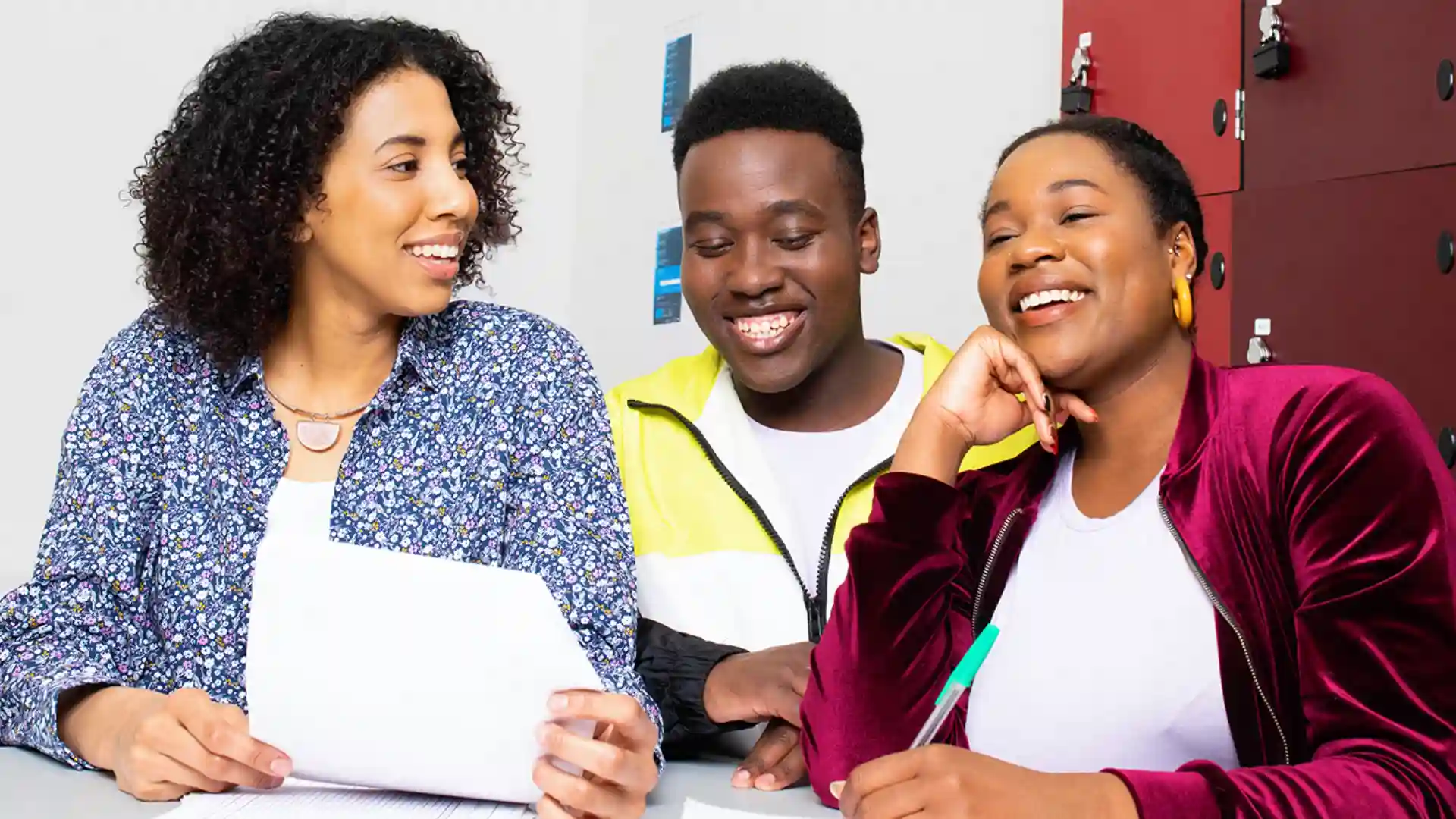
We spend almost a third of our lives at work. The organisations we work for are a shaping force not just for us individually, but for society. Their structure, attitudes and ethos help map out what the UK is, does and wants to be.
Businesses that take an authentic and holistic approach to ‘inclusion’ see meaningful impact across talent, brand loyalty, financial performance and many other areas. By inclusion, we mean thinking about and valuing equally every member of the team, no matter their age, ethnicity, sexuality, gender identity or disability. That might sound like a lot of work, but it’s work that pays off. In fact, in their fourth report in the ‘Diversity Matters’ series, McKinsey found that the business case for inclusion was only growing stronger.
40 per cent of LGBTQ+ employees still hide their identity at work
Stonewall has been supporting businesses for more than two decades to build inclusive workplaces where everyone is seen and valued. Despite the progress made in those years, we know from our own research that 40 per cent of LGBTQ+ employees still hide their identity at work – this might sound surprising until you learn that 36 per cent of them have heard negative or discriminatory remarks about LGBTQ+ colleagues. This should matter to us all. When people are excluded and unable to be themselves, whole organisations suffer.
Through our Proud Employers programme, we work with hundreds of organisations to find authentic and sustainable ways to embed inclusion, with a focus on ensuring impact. We provide holistic support through training, guidance, accreditation, legal briefings and consultancy. We also bring together a powerful community of people to connect, learn and share with one another.
How Stonewall is making a difference
In turbulent times, we are proud to work with so many organisations who remain committed to meaningful and holistic inclusion programmes. While pressure to scale back this work continues and our social and political landscape feels increasingly turbulent and fragmented, it’s important to hear from leaders like Richard Branson about the hard economic facts of the issue: put simply, it’s just better for business.
He’s right, too, that now is the time to double down. We often talk about the business case for inclusion and the moral case as if they are separate. At Stonewall, we see them as closely intertwined. Behind every statistic about staff wellbeing is a thriving LGBTQ+ network providing spaces of joy for people to belong. Behind every statistic about the impact of leadership diversity is an LGBTQ+ person who has been enabled to reach their potential. And behind every statistic about customer loyalty is someone who has seen themselves represented in society in a way many of us would never have imagined growing up.
Inclusive workplaces make for a thriving society
Inclusive workplaces are a fundamental part of a just, happy and thriving society. Stonewall recently won the Outstanding Global LGBTQ+ Initiative of the Year at the 2026 Rainbow Honours, and I’m delighted that this award, which recognises our whole network of members who come together to share knowledge and support one another, was just one of many that showcased brilliant organisations and individuals who are committed to creating safer and more equal workplaces for all.
If you want to join our movement of workplaces across the public, private and third sector who are building inclusive, kind, respectful workplaces where everyone can thrive, our team would love to hear from you.
Sarah Campbell is head of programmes at Stonewall, where she leads initiatives designed to support LGBTQ+ people and their allies. Having joined the charity in 2016, she has held several senior roles across events, empowerment and programme delivery.