
Elect The Dolls: the Green Party campaign getting trans people in power
Delving into the results of the Green Party’s Elect The Dolls campaign with Eden Hills, Jenny Knight and Tammy Searle
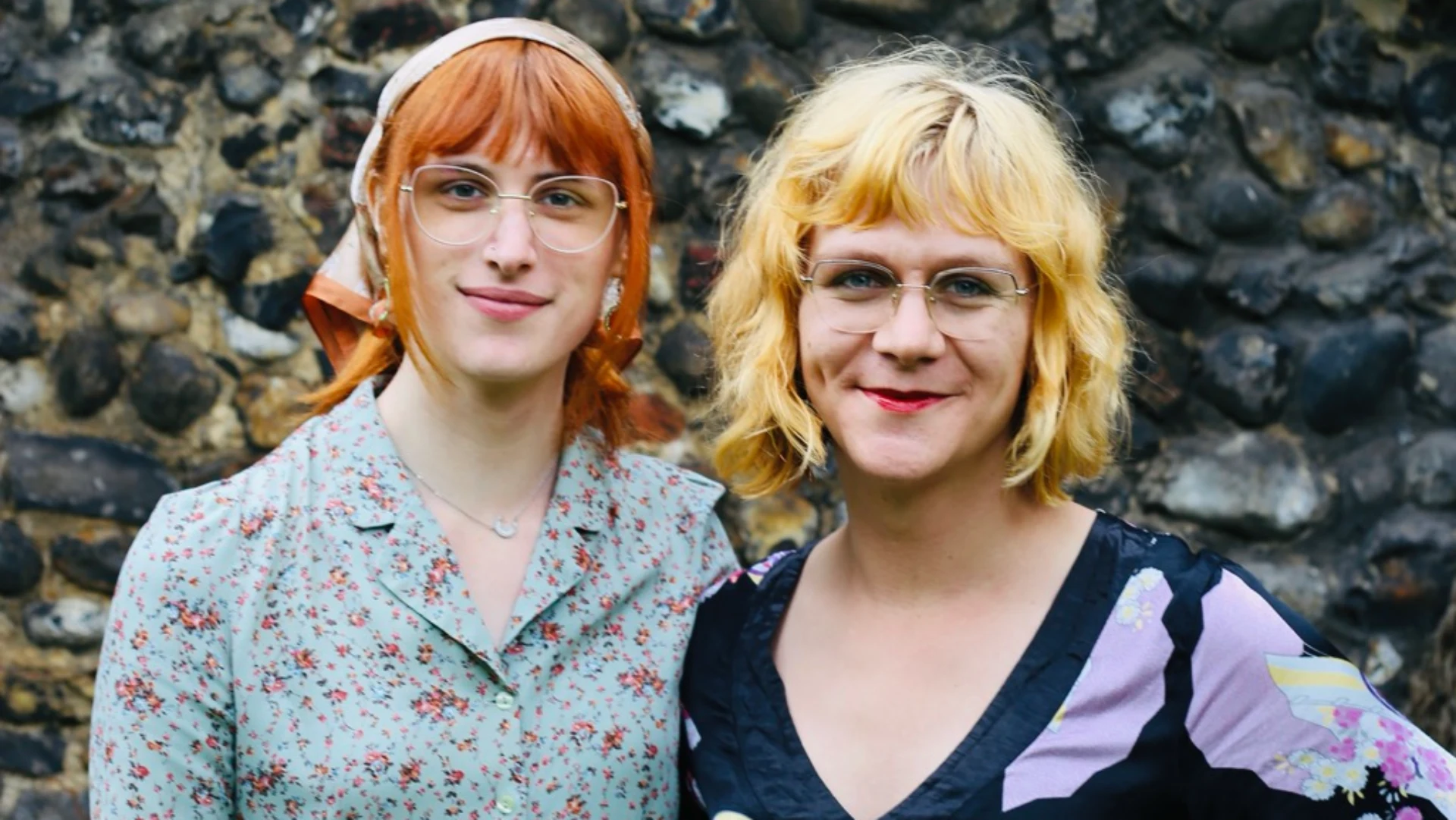
Being in the public eye isn’t easy. Intense scrutiny and public displays of disapproval are the consequence of most roles in local office. Feeling this tenfold are the trans councillors recently coming into local government following the May elections. It didn’t take long for the new councillors to realise that a seat at the table doesn’t guarantee an equal serving.
With a play on the Protect The Dolls slogan, the Trans Greens launched their campaign #ElectTheDolls ahead of the party’s autumn conference last year (2025). What started off as your typical work group chat grew into a community of passionate trans candidates coming together. Eden Hills, councillor for Little London and Woodhouse, says the group chat isn’t about being trans but rather a community bonded over ideas. She begins: “People just have such interesting conversations, far too many for me to stay involved with, but everyone has opinions, everyone has different interests, and it’s almost never about anything related to transness or gender in any way.”
“There’s kind of that impression that you get from right-wing people, and far-right politics in general, that the trans community is this big dogmatic belief system, where you have to adhere to one kind of belief, and then if you actually interact with trans people, nobody thinks in the same way,” she continues.
Facing the backlash
The campaign aimed to get trans people into local government, making space for them to campaign with a community of candidates behind them. It boosted people’s profiles online, encouraging voters to attend action days.
But while entering the public eye brought more votes, with it came a variety of challenges that proved difficult to swallow. Hills speaks about how she perceives the difference in how the media treats candidates based on their gender identity. She says: “You see trans people being absolutely fucking monstered in the media for virtually nothing, things that would be entirely normal if you were a cis person.”
The discrimination doesn’t stop at gender identity, she tells me, noting an alleged online hate campaign that featured her alongside her fellow Green councillor, Mothin Ali. She starts: “There were also AI videos that they made of us both. It was very unpleasant, like a lot of sexual stuff, a lot of violent things.”
She continues, visibly upset, “It’s not nice being a 26-year-old woman having that kind of stuff happening online and trying to go about your life knowing that people have seen this stuff, violent sexual things. I mean, it’s horrible.”
Despite having multiple struggles with right-wing media, Hills notes the importance of the community that Elect The Dolls provided her. “It was really, really good to have that community to fall back on, because being – I was gonna say a trans woman, but also just being trans in general – in the public eye is pretty rough.”
“Having actual trans people standing up and being ourselves – I was going to say being normal – but I mean being ourselves, I think encourages people to go, ‘Oh, there’s actually kind of nothing wrong with these women, they’re actually just fine,’ and over time I think that does change the cultural conversation a lot,” the 26-year-old emphasises.
“I think having that influence and having that profile does change people’s perception, perhaps improve people’s perception, because trans people have terrible PR.”
Making trans voices heard
After the announcement that the Labour government would introduce legislation banning so-called conversion practices, it’s put diverse communities in the spotlight. Jenny Knight, chair of the Trans Greens and a councillor for Norwich, speaks about the importance of those communities being involved in decisions. She says: “Trans people, you know, we’re 1 per cent of the population, but policy does affect us, and we should be consulted on that policy in the same way that everybody else should be consulted.”
Knight continues: “I think part of the issue with politics today is the fact that we aren’t working hard for everybody. We’re working hard for a select few.”
This is Knight’s second time winning her local election, increasing her vote share to 60 per cent this year, but she says there’s a problem with our current voting patterns.
She says: “Currently, we have the lowest voter turnout in British democratic history. We need to rejuvenate that trust, and part of that trust is making sure that people see themselves in politics. There’s a large portion of different communities that don’t actually see their representation in politics.”
Knight continues: “And whether that be people who are working class, people of colour, or, like ourselves, the trans community. There’s so many people that aren’t represented by modern politics, and we can do a lot better to actually make them feel represented and rekindle that trust in the democratic system.”
Looking forward
Knight’s council-mate, Tammy Searle, says her doorstepping campaign uncovered that being representative doesn’t have to be a struggle. She explains: “On the doorstep, you know, people aren’t concerned. People aren’t concerned about our gender identity, and the reality is that we know that trans people up and down the country are a big part of their local community, getting involved, and sticking up for people, and making a difference. What we found on the doorstep was that hate wasn’t flying and people chose hope over hate.”
Earlier in our chat, Searle tells me that before this point, she didn’t see a place in politics for herself. She started getting involved in politics last year, but since winning the election has been shocked at the response.
She says: “It’s something that I never expected. Being a councillor isn’t this glamorous thing. But I do remember, so it was my birthday the day after the count, and I was just walking in the street, and people were stopping me and saying congratulations.”
Searle emphasises the role that Elect The Dolls had in her election. “We’re trying to just make sure that we get in the room and that that has been the priority of the campaign. It’s about making sure that people are aware that they can stand up in politics.”
Reflecting on her own beginnings, she says: “At the end of the day, there’s probably a little girl out there somewhere who’s thinking politics isn’t a place for me, just like I thought when I was younger. And lo and behold, politics was the place for me.”