
South Korea apologises after government manual labels homosexuality a ‘juvenile delinquency’
It listed homosexuality alongside sexual violence, theft and drug-related problems
By Callum Wells
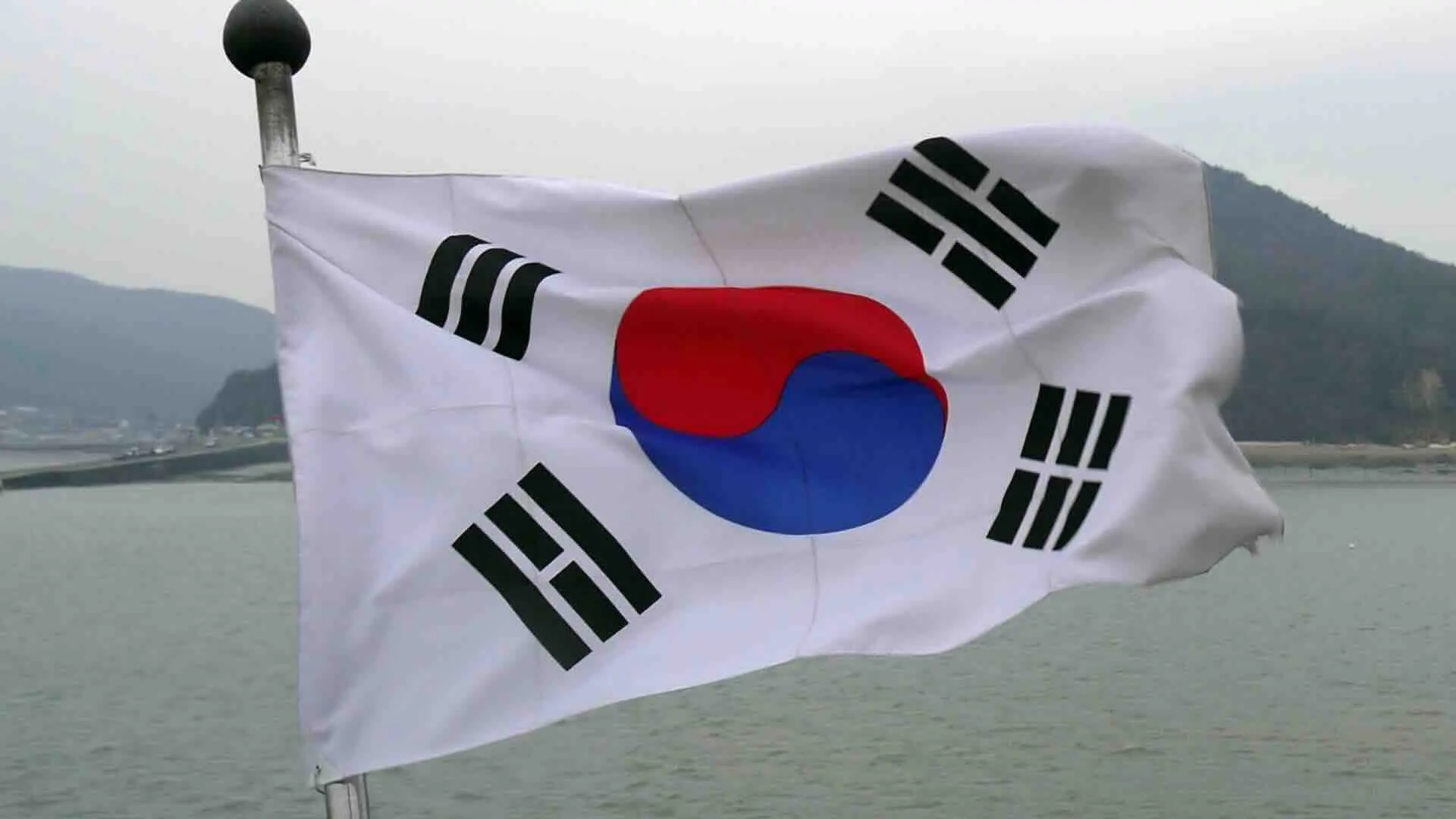
South Korea’s government has apologised after homosexuality was included in a youth counselling manual as a form of “juvenile delinquency”.
The classification appeared in guidance published by the Korea Youth Counselling and Welfare Institute, which works with young people who require support. It listed homosexuality alongside sexual violence, theft and drug-related problems.
Youth companions use the manual to provide counselling and help young people access healthcare, education and welfare services.
The wording first appeared in the document’s third edition, published in December 2019. It was also included in the fourth edition, released in December 2025.
News of the classification emerged on Monday (2 November), prompting criticism from human rights organisations and LGBTQ+ advocates. A coalition led by a support centre for LGBTQ+ young people called on the government to remove the wording.
What has South Korea’s government said about the controversy?
South Korea’s Ministry of Gender Equality and Family responded two days later, acknowledging the concerns raised by the classification.
“We regret that the classification of content concerning sexual minorities as a type of delinquency-related problem in the manual has caused discomfort and concern to sexual minority youth and those involved,” the ministry said.
The Korea Youth Counselling and Welfare Institute blamed an error by the team responsible for compiling the guidance, saying the wording had been carried over from older reference material.
The ministry has ordered the classification to be removed and said it would review the manual with counselling experts. It also plans to provide additional human rights training for youth companions and staff at youth counselling and welfare centres.
How is South Korea changing its LGBTQ+ youth shelter guidance?
Separately, the government updated its guidance for youth shelter staff in August. The changes followed feedback from LGBTQ+ support organisations and other groups.
Under the revised rules, shelters are prohibited from refusing young people admission or treating them differently because of their sexual orientation or gender identity. Staff must also record the reasons for restricting admission or asking a resident to leave.
Where a young person has difficulty adjusting to shelter life, employees are instructed to consider counselling, mediation and changes to their living conditions before deciding to discharge them.
A ministry official said: “Based on feedback gathered last December from groups supporting sexual minorities and others, we revised the youth human rights protection manual for youth shelter staff in August.”
The official added: “We will work to ensure that all young people can receive counselling and protection without discrimination.”
When was homosexuality removed from the WHO’s classification of mental disorders?
Homosexuality was removed from the World Health Organisation’s classification of mental disorders in 1990, with the decision taking effect in 1994.