
Remembering Drew Leinonen, 10 years after the Pulse nightclub shooting: ‘Healing is never finished’ (EXCLUSIVE)
This is an excerpt of a feature appearing in Attitude’s November/December 2026 issue
By Ryan Butcher
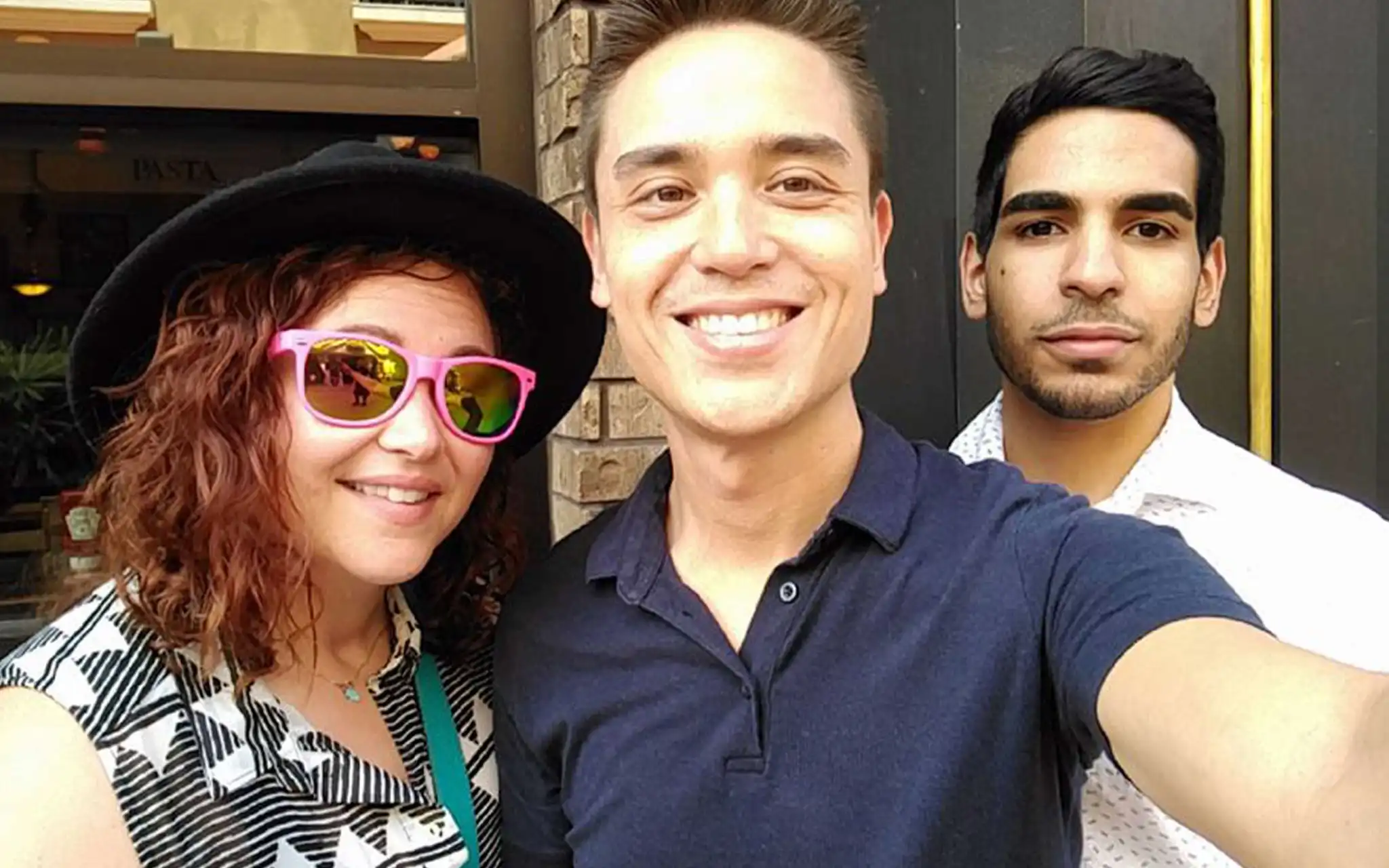
Drew Leinonen loved Eurovision. Every year, he would issue themed invitations, then cram friends into his tiny Orlando apartment and make everyone fill out forms predicting the winner as though they were playing fantasy football.
Although born and bred in the US, Drew was an Anglophile who loved Sugababes, All Saints and Sophie Ellis-Bextor. He drank cheap wine, loved a money-saving coupon and was an absolutely terrible dancer. But when he danced, he threw his whole body into it. Most of all, Drew loved people. He collected friendship groups, introduced them to one another and had an apparently irresistible habit of deciding that complete strangers were going to become friends.
“I think the Gen Z kids say people have main character syndrome,” Drew’s friend Brandon Wolf tells Attitude. “Drew didn’t have to have main character syndrome because he was the main character.”
On 12 June 2016, Christopher Andrew “Drew” Leinonen was one of 49 people murdered at Pulse nightclub in Orlando. Ten years later, two of the people who loved him most are preparing to close down an organisation created to ensure the world would know him for how he lived, rather than how he died.
Pulse: a place to call home
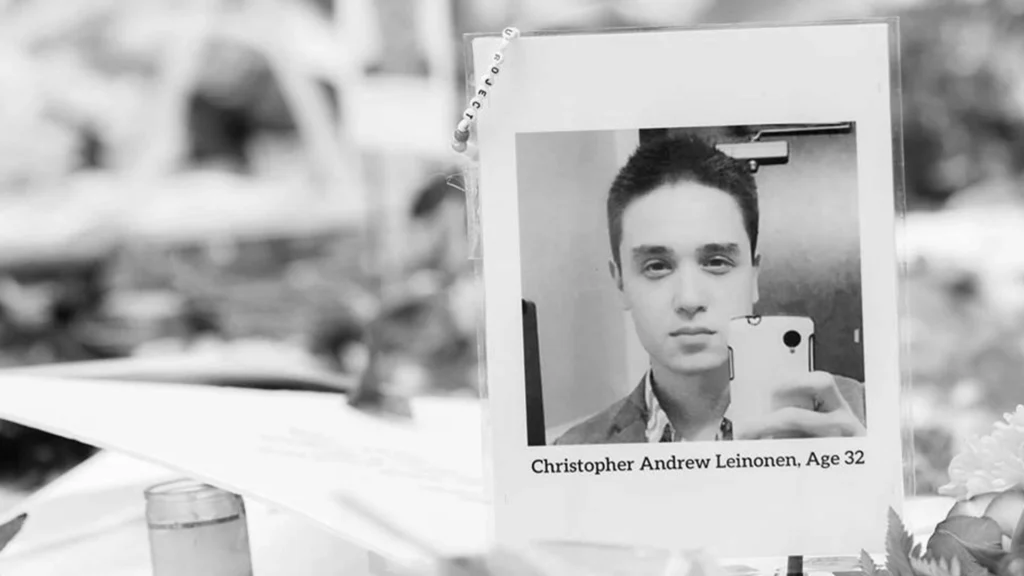
Brandon remembers that the club was busy that June night. Not unusually so, perhaps, but close to the fullest he had ever seen it. It was Latin Night, the music was loud and groups of people were dancing together, pulling strangers in and teaching them the steps.
He bumped into familiar faces. He ordered from the same bartender he always did. Out on the patio, he ran into the manager, who was handing out free shots. “There was this energy in the air that could only be created in a queer safe space,” he remembers. “People felt so joyful.”
It was, he says, “so Pulse” and “so Orlando”.
Then, just after 2am, with around 300 people inside the club, Omar Mateen opened fire. What began as a mass shooting became a hostage situation lasting around three hours. By the time it ended, 49 people had been murdered and dozens more wounded. Drew and his partner Juan Guerrero were among those killed. Brandon survived.
The FBI later concluded it was an act of terrorism – the deadliest on US soil since September 11, 2001.
For Brandon, what was destroyed that night cannot be understood simply through the number of people killed. Pulse was one of the first places he held hands with a man he liked without fearing being punched or called a slur. It was somewhere he could wear his shortest shorts without worrying what someone might say. When he briefly dreamed of a career in music, it was the first club willing to play his single.
“It was a place where you could be fully you”
“It was a place where you could be fully you, where you could bring your best self, wear whatever you wanted to wear, be whoever you wanted to be. And if just for a moment,” he says, “you could feel safe doing all of those things because you were home.”
It is why, Brandon believes, an attack on one nightclub in Florida was felt far beyond Orlando. “We, as queer people, know what it feels like to carve out safety for ourselves,” he says. “We know what it feels like to create a place like Pulse nightclub. And so to invade one of those spaces is to invade all of them.”
Drew’s longtime friend Sara Grossman was not at Pulse that night, but it had been a place of belonging for her too. It was where she first felt safe holding hands with or kissing someone she liked in public. But it was also something more fundamental.
“It was a church [where] we went and worshipped the drag queens every Sunday,” she says. “It was a school where we learned how to form community and we learned how to be community.”
The massacre came amid significant progress for LGBTQ+ rights in America. A year earlier, the US Supreme Court had legalised same-sex marriage nationwide and Barack Obama had illuminated the White House in rainbow colours. Brandon remembers a feeling that the movement had “arrived”.
Pulse was a brutal reminder of what that progress had not erased. “The forces of hate were still brewing underneath the surface,” he says.
A decade later, Brandon does not believe what happened at Pulse can be neatly sealed away in the past. Survivors continue to live with its consequences, as does the community around them.
“Healing is not linear and it’s never finished,” he says. “Pulse was a place of uncontainable joy and celebration that was torn apart in an act of hate and has left deep scars that continue to heal today.”
This is an excerpt of a feature appearing in Attitude’s November/December 2026 issue.