
Russian court labels top LGBTQ+ rights group an ‘extremist organisation’
"Banning it is a major premeditated blow to LGBTI people and their allies,” said Amnesty International director Marie Struthers
By Aaron Sugg
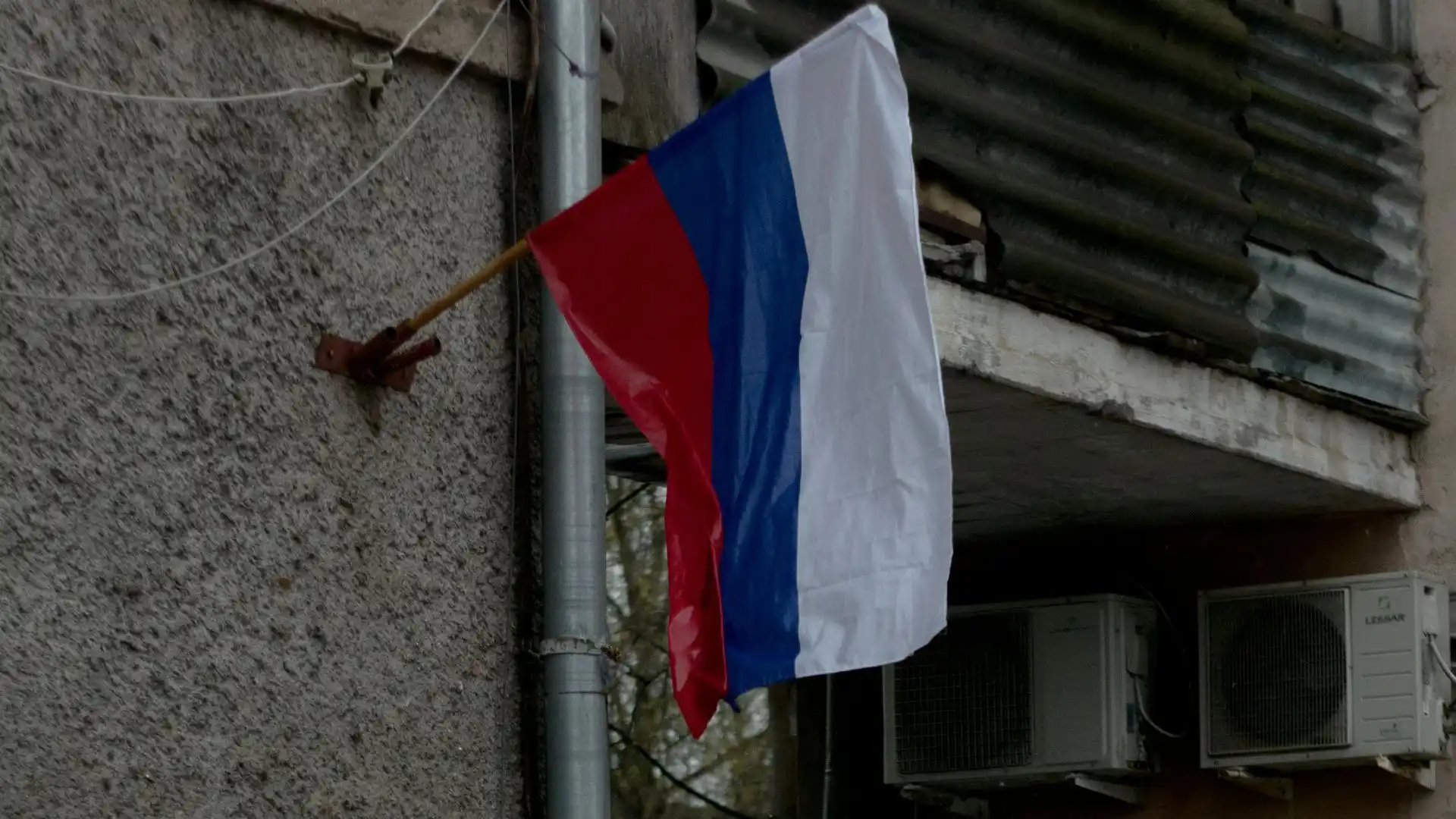
A Russian court has ruled the country’s leading LGBTQ+ rights group, the Russian LGBT Network, as “extremist”, effectively banning the organisation.
The decision was made by Saint Petersburg City Court on Monday (27 April), after Russia’s Justice Ministry claimed the organisation threatened state security.
Being labelled “extremist” in Russia can mean facing severe criminal punishment, including prosecution, imprisonment, and total civic marginalisation for activities deemed to promote non-traditional Russian values.
Amnesty International challenges Russia’s misuse of anti-extremism legislation
Marie Struthers, Amnesty International’s Eastern Europe and Central Asia director, condemned the ruling, calling on the Russian authorities to “immediately stop misusing anti-extremism legislation”.
“For nearly two decades, the Russian LGBT Network has united activists from across the country, provided emergency assistance and produced vital research on discrimination and violence against LGBTI people. Banning it is a major premeditated blow to LGBTI people and their allies,” said Struthers in a statement.
She continued: “LGBTI human rights defenders, activists and volunteers play a vital role in providing legal, psychological and social support, documenting abuses and evacuating those at risk.
Russia has previously labelled ILGA World, a global LGBTQ+ human rights group, an “undesirable organisation”
“Despite their legitimate human rights work, a growing number of organisations have been arbitrarily designated as ‘extremist’,” Struthers continued.
Russia’s Ministry of Justice ruled last year that ILGA World, a global LGBTQ+ human rights group, was an “undesirable organisation”, making it a criminal offence to work with or advocate for the group.
This follows a 2023 ruling by the Russian Supreme Court, which imposed a national ban on the so-called “international social LGBT movement”, dubbing it an “extremist organisation”.
Where does Russia stand on LGBTQ+ rights?
The country’s government stance on LGBTQ+ rights solidified in 2013, when the commonly named anti-LGBTQ law, prohibiting children from being exposed to “non-traditional family values”, was introduced. The legislation was expanded in December 2022, banning so-called “LGBT propaganda” for all ages.
Online content is regulated in Russia by the state communications watchdog, which enforces strict anti-LGBTQ+ laws prohibiting “LGBT propaganda”.
Russia currently ranks at 2 per cent on the rainbow map, depicting LGBTQ+ rights across the globe, landing them at 49th position.
Despite same-sex relationships being decriminalised in 1993, Russia has no anti-discrimination protections, no recognition of same-sex partnerships or marriage, and outlawed gender transition in 2023 under president Vladimir Putin.