
HIV workers warn LGBTQ+ people are facing ‘witch-hunt’ after Niger anti-gay law
As per Niger's 2026 penal code, same-sex intimate acts are now punishable by a prison sentence of up to 10 years and are accompanied by heavy fines
By Aaron Sugg
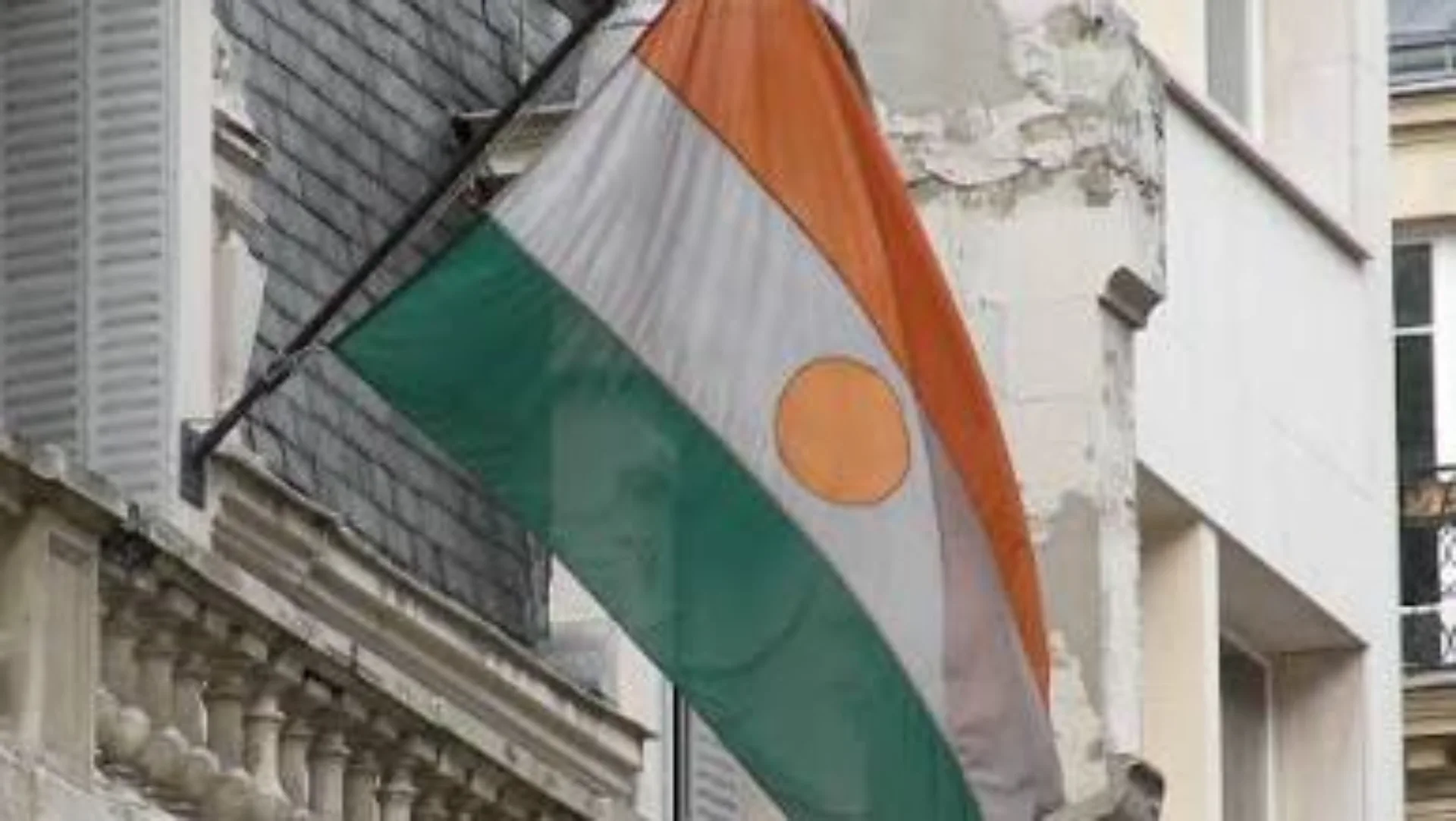
HIV caregivers in Niger say the LGBTQ+ community are becoming victims of a military “witch-hunt” following a penal code criminalising homosexuality earlier in 2026.
Since the West African nation introduced its first-of-its-kind legislation making “indecent or unnatural acts” and “sexual relations with a person of the same sex” punishable by imprisonment of up to 10 years in February, around 40 people have reportedly been arrested.
Speaking to the Guardian, HIV support services raised serious concerns over the treatment of LGBTQ+ people in the nation, describing the ban as a “witch-hunt”.
“The climate here is truly toxic” – HIV support services on Niger’s anti-gay legislation
“With the recent witch-hunt, and these arrests that are taking place, the climate here is truly toxic,” said an anonymous source.
“LGBTQ+ populations are keeping a low profile and have gone into hiding because they are at risk. We have lost contact with many and the recent arrests have exacerbated tensions.”
The recent penal code of Niger marks the first time homosexuality has been criminalised in the country. Same-sex intimate acts are now punishable by prison terms of up to 10 years and are accompanied by heavy fines.
Niger is issuing harsher penalties for those involved in same-sex marriages and to those supporting LGBTQ+ organisations
On top of this, the government has warned of harsher penalties for involvement in same-sex marriags and for those supporting LGBTQ+ organisations, with imprisonment of up to 20 years.
LGBTQ+ rights activists and human rights campaigners have condemned the ruling, saying Niger is exposing its people to “fear, violence, and state-sanctioned hatred”.
Téa Braun, chief executive of the Human Dignity Trust, said: “In criminalising private, consensual same-sex intimacy and using the coercive power of the state to repress other basic freedoms, Niger’s military regime has shown a blatant disregard for fundamental human rights law.”
As of June 2026, 66 countries ban homosexuality
“Niger now joins 65 other countries that use these laws to expose a vulnerable group of their own citizens to fear, violence, and state-sanctioned hatred.”
Thirty-three of those countries are located in Africa, 21 in Asia (including the Middle East), five across the Americas, and six across Oceania.
Niger recently voted against a UN HIV/Aids declaration, despite rising concern over HIV infections in the region.
As of 2023 an estimates 32,000 adults were living with HIV/AIDS seeing a steady decline from it’s peak in 2001.