
Businessman pleads guilty to making false statements in bid to block Heaven’s reopening
Aldo d’Aponte pleaded guilty to submitting two letters to Westminster City Council that he claimed were written by neighbours
By Callum Wells
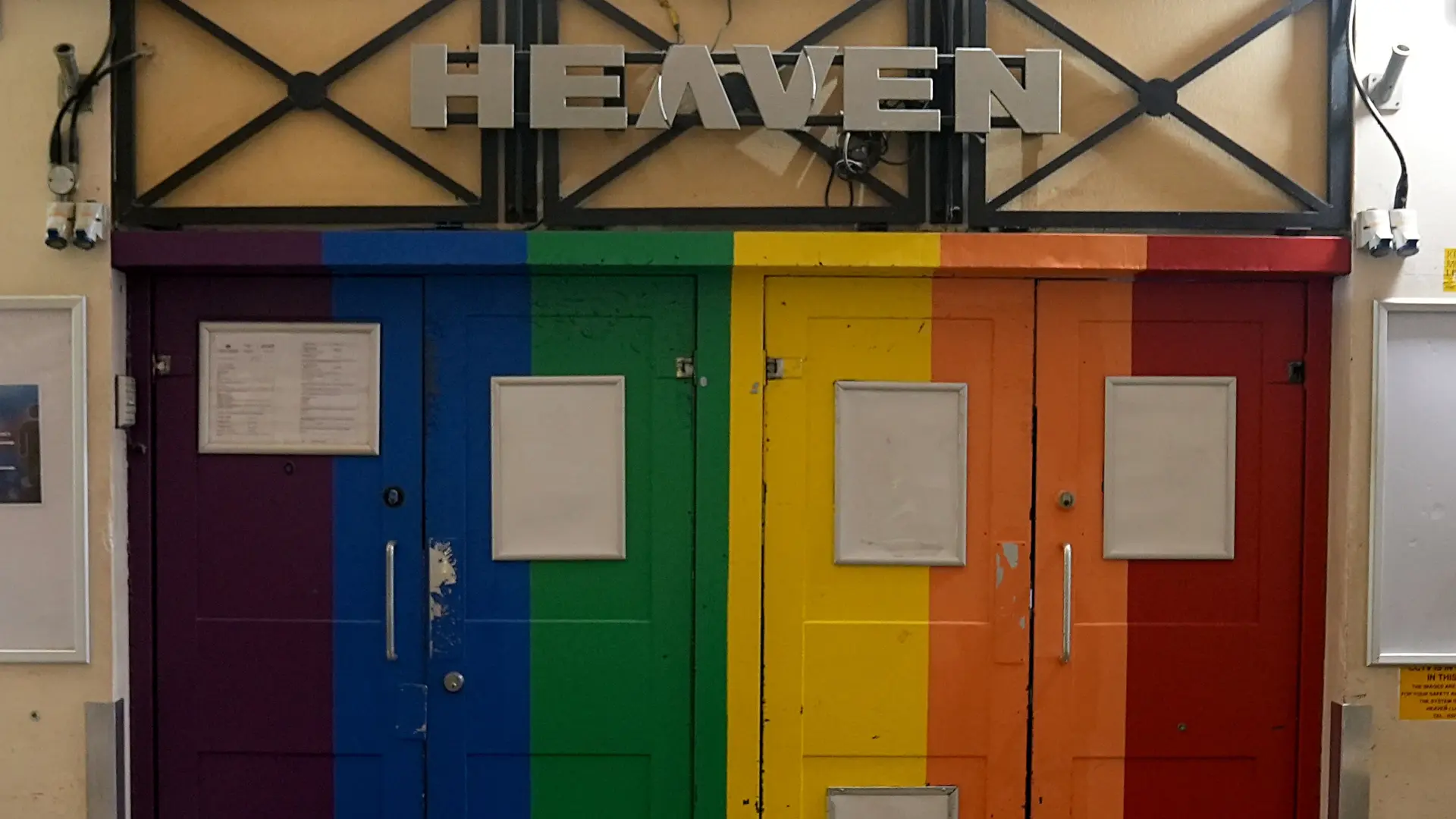
A London property executive has admitted making false objections to the reopening of Heaven nightclub.
Aldo d’Aponte, who runs Arbitrage Group Properties, pleaded guilty to submitting two letters to Westminster City Council that he claimed were written by neighbours. The messages opposed the club’s return after its licence was temporarily suspended in late 2024.
The venue had been shut following an allegation that a 19-year-old woman was raped by a security guard. A council hearing the following month allowed Heaven to reopen with stricter conditions around welfare and security. The guard was later cleared of the offence.
Aldo D’Aponte admitted the offence under section 158 of the Licensing Act 2003
As part of the licensing process, officials received a number of detailed objections sent via an encrypted email address. Concerns were raised about the letters while Philip Kolvin KC, acting for the nightclub, was reviewing the case. Further checks suggested the supposed authors could not be identified, or were not linked to the addresses listed.
Analysis using AI-detection software indicated the letters were likely generated using artificial intelligence. Police later traced the IP addresses for two of the submissions back to d’Aponte.
Kolvin said he had “felt very sorry” for nightclub owner Jeremy Joseph, who had found the objection letters “traumatic”. He added: “This whole situation is open to abuse if councils are not alert to this problem and not checking the veracity of these objections.”
D’Aponte admitted the offence under section 158 of the Licensing Act 2003, which covers false statements made in connection with licensing decisions. He was handed a 12-month conditional discharge, and ordered to pay £85 in costs along with a £26 victim surcharge.
Saba Naqshbandi KC told the court the incident had been a “foolish and desperate act”
The use of AI was not raised in court and did not form part of the prosecution case.
In his own formal objection to the council, d’Aponte said he and his husband were affected by the club’s operation, with their home overlooking its entrance. They wrote that it was “fundamentally at odds with family and community life in what is a residential neighbourhood”.
Saba Naqshbandi KC, representing him, told the court the incident had been a “foolish and desperate act”. She said the family had been “suffering for some eight years by the constant nuisance caused by the venue”, and that the temporary closure “brought for them a very much needed relief of constant sleep and peace”.
After the hearing, d’Aponte said he regretted what had happened but maintained his concerns, stating: “Heaven and its proprietors need to take steps to better coexist with the local community and protect the safety and wellbeing of its customers, neighbours, and my family.”