
The return of the hobby: why adults are rediscovering play
In parntership with Videoslots.com
By Alex Ford
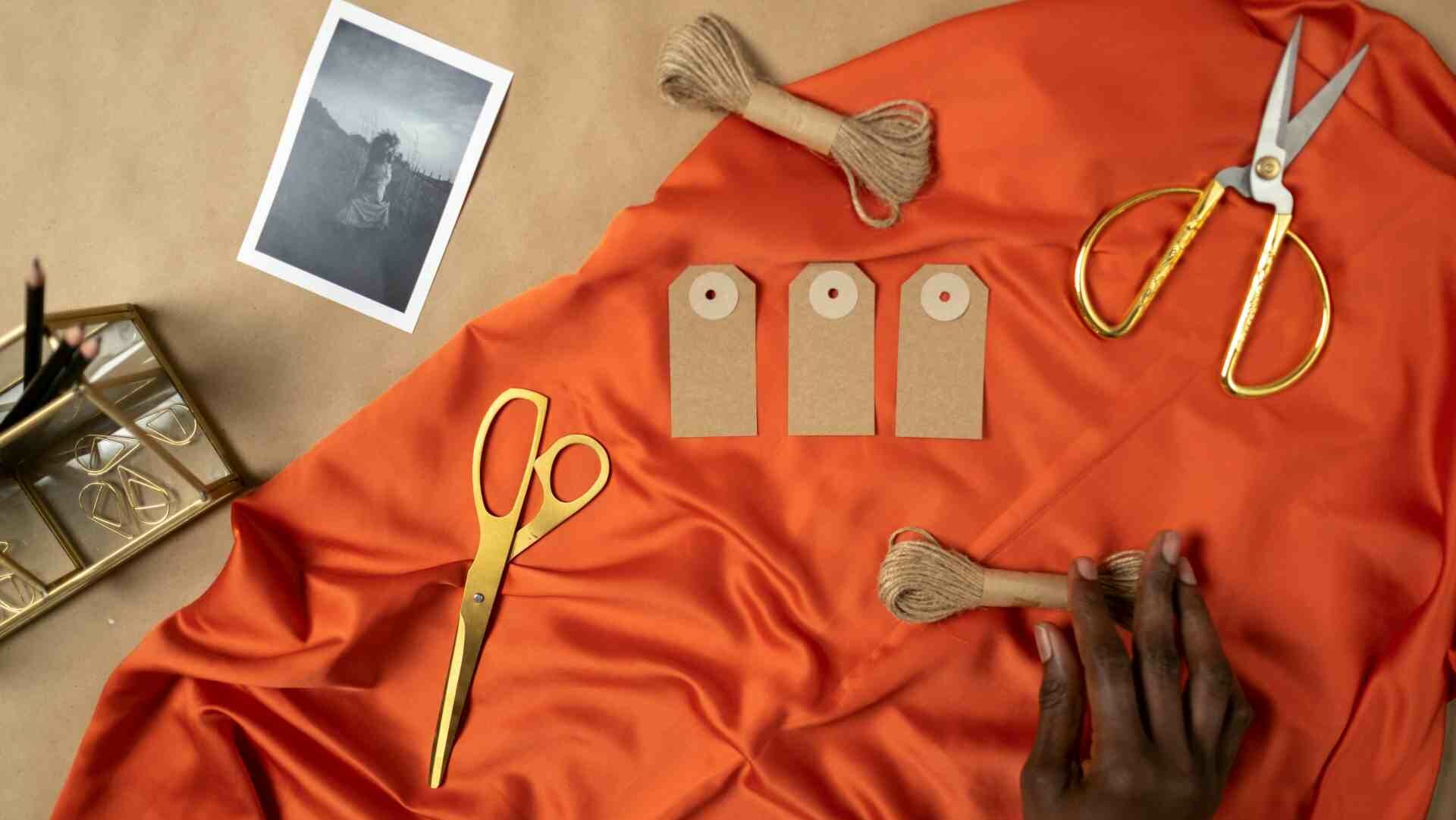
The renaissance of hobbies is noticeable in several ways. In many living rooms, puzzles sit on coffee tables as if they were part of the interior design. On social media, half-finished beginner paintings are displayed with pride and pottery and crocheting have become widespread movements. Dance classes are filled with people who don’t dream of the stage, just moving to the rhythm of something other than the workday.
The contrast to work
Why is this happening now? One explanation lies in the fact that adult life has become more abstract in many ways. Many people work with information, not with things. You produce texts, decisions, strategies and hold meetings. The results are difficult to touch. They cannot be put on a shelf. A hobby provides a different kind of proof. It provides an object, a skill, and a memory in the body. It makes you actually see what you did. A hobby also gives a sense of freedom.
At work there are expectations, roles, and a social tone that must be maintained. In a hobby you are allowed to be a beginner. You are allowed to make mistakes without someone writing a summary. It is not only liberating. For many, it is a forgotten skill: being allowed to be bad at something and still continue.
That is also why hobbies often lean towards the tactile category. Puzzles, construction, ceramics, wood or needlework. Things where the hands have to do the work and where the brain gets a break from constantly putting thoughts into words. That kind of activity creates a special presence. You can’t really zone out when you are fitting pieces together, measuring, gluing, repeating steps. You are there. It is perhaps the most sought-after feeling today.
Hobbies also create conversations when you gather around something. It makes it easier to socialize without having to bring up how everything in life is going. You can just play a round, dance for an hour, or sit next to each other and build.
Openness and convenience
The internet has made it easier to find your way into a new hobby that you perhaps weren’t even aware of. In the past, many hobbies required a certain level of knowledge, equipment and instructors. Now there are guides, forums and small communities for almost everything which has lowered the barrier to entry.
The digital world, which is often accused of stealing attention, then functions as a door opener to analog activities. But not everything has to be analog to function as a hobby. Some adults are looking for the same feeling in digital formats where the activity has clear frames, a starting point and an ending. For some, online games at casinos like Videoslots online casino can be just that, or attending online courses or discovering communities that surround the hobby.
Perhaps the most interesting thing about the return of the hobby is that a hobby is often ineffective. It takes its time. And that is precisely why it is valuable. It is an area where you can just be.
You also see it in the way adults choose their hobbies. They rarely chase the most advanced versions of something or the more obscure. They seek the moderately difficult. Something that can be done quite easily on an ordinary Tuesday.
A hobby that requires rearranging your entire life is usually harder to commit to and keep up. A hobby that finds space within your ordinary life survives. The return of the hobby is therefore more than a trend. It is also a way for adults to find methods for rest, community, and entertainment in a lasting way.