
Porn and age verification: Has your relationship with adult content changed?
Four voices give their take on whether their relationship with porn has changed under the UK Online Safety Act, in Attitude's Foursight feature
The way we access adult content in the UK is changing fast – and for many, it’s no longer as simple as opening a tab. With the rollout of stricter age verification under the Online Safety Act, watching porn now comes with new layers of friction, from ID checks to questions around privacy and control.
In this edition of Foursight, Matt Spike, Joseph Mendez, Davide Anica and Dale Fox share how these new rules are reshaping their relationship with porn – from creative limitations and declining income to more mindful consumption and concerns about data, autonomy and the future of a free internet.
Matt Spike (he/him) – Fetish photographer
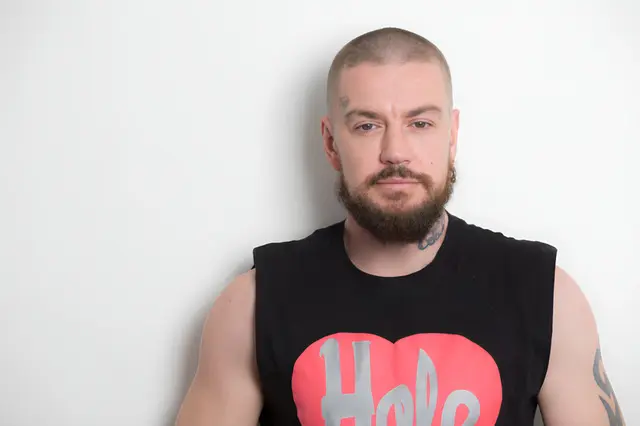
As a London-based fetish photographer specialising in leather, kink and queer imagery (@MattSpikeXXX), I have faced a sharp decline in website traffic and JustForFans subscriptions since the UK’s Online Safety Act enforced strict age verification rules from 25 July 2025. For me, the impact extended beyond lost visits. To comply and minimise friction while protecting access, I am redesigning my entire website (mattspike.com). The homepage now features a prominent, simple age gate: visitors must click “I am over the age of 18 years old” to proceed to content. Once in, visitors will need to use an age verification tool. Mandatory checks have made discovery harder, forcing solutions that often reduce overall reach and revenue in the fetish space. I’m now shooting with a quiet tension in every frame. The tightening restrictions force me to pull back just enough — softening the edges of raw desire, dialling down the bruising intensity, veiling the unapologetic power exchange. Harder sexuality still burns beneath the surface, but these days even the shadows feel watched. Creativity survives… yet always slightly afraid.
Joseph Mendez (he/him/they/them) – Model and I Kissed a Boy star
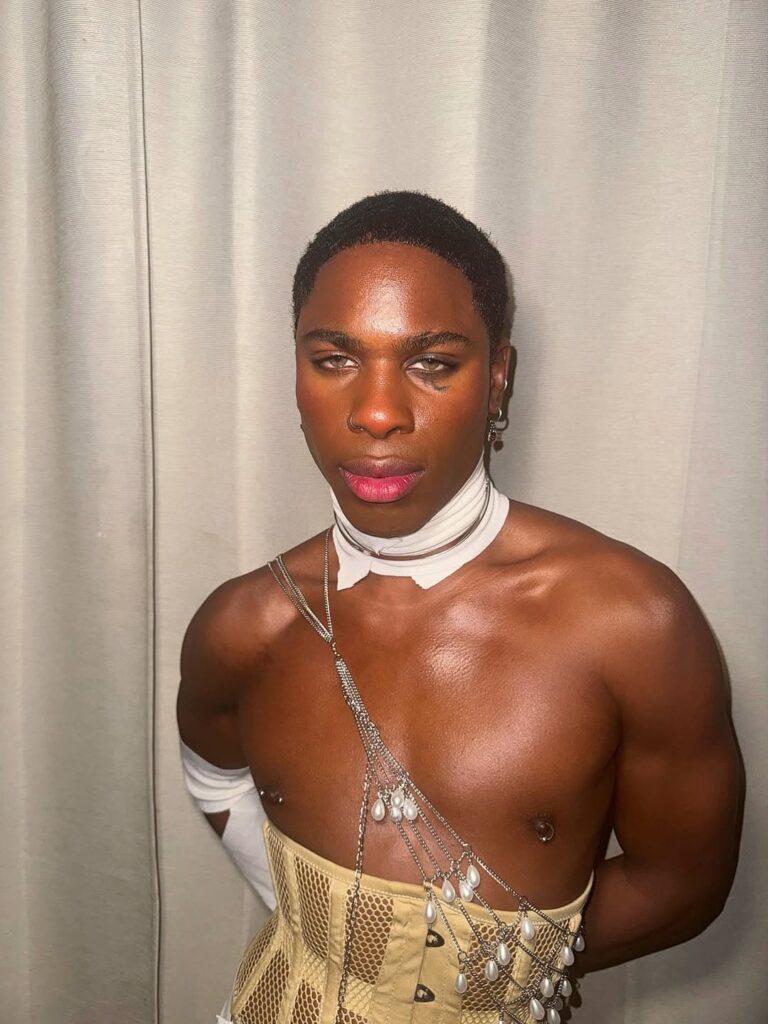
The UK’s age verification measures haven’t radically changed my relationship with porn, but they have made it more conscious and, at times, more inconvenient. Being asked to upload a driving licence or complete facial age estimation introduces a pause that didn’t exist before. Porn used to feel frictionless and almost invisible in daily life; now there’s a moment of reflection before accessing it, even if that reflection is brief.
That extra step has slightly reduced how often I consume adult content, because spontaneity has been replaced with admin. At the same time, I see a clear benefit in stronger barriers for minors. Age verification feels like a meaningful attempt to reduce early exposure and protect under-18s from material they aren’t equipped to process.
Ultimately, age verification hasn’t stopped me engaging with adult content, but it has made that engagement more deliberate. Whether that’s a positive outcome depends on whether you see friction as protection, censorship, or simply the cost of living online in 2026.
Davide Anica (he/him) – Married At First Sight star
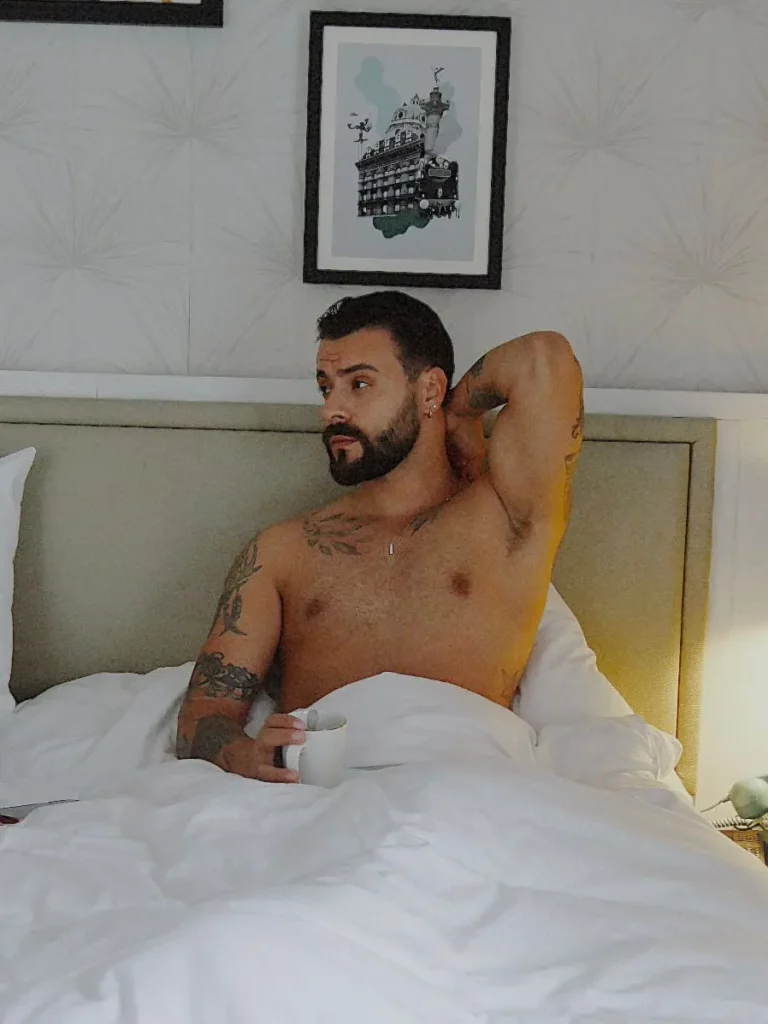
To be completely transparent, it hasn’t changed my relationship with porn. What’s more important is I believe it has changed the conversation around it, and that matters.
I’m not afraid to admit that porn has been part of my adult life. For a lot of people, especially queer people, it’s been a place of discovery, education and even comfort. So the idea that suddenly adding facial recognition or ID uploads will fundamentally alter how adults engage with it feels slightly unrealistic in my opinion.
What these measures have done is make people more aware of who they’re giving data to, and how comfortable they feel handing over that personal information. It’s made people think twice.
If anything, I think we need to be more honest about porn. Adults watching consensual adult content isn’t the issue. Education, transparency and safeguarding young people are where the focus needs to stay. Porn isn’t something I’m ashamed of talking about, and it shouldn’t be taboo. The more open we are, the healthier our relationship with sex is, online and offline.
Dale Fox (he/him) – Journalist
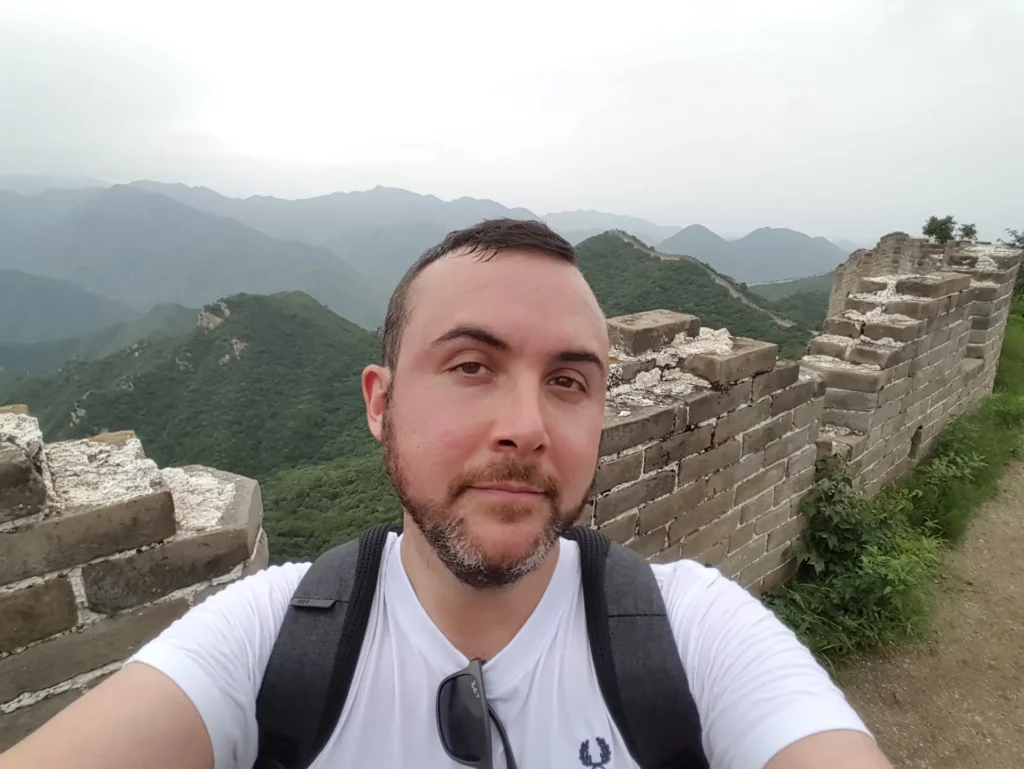
For several years, I lived in a country where if you wanted to access most websites from YouTube to YouPorn, you needed to use a VPN (virtual private network). And even after returning to the UK, I’ve kept it up – if you’ll pardon the pun.
If anything, these new measures have reinforced habits I’ve picked up around privacy and control over my data. I also believe strongly in net neutrality – the principle that the internet should treat all lawful content equally, without governments or internet service providers deciding what adults can and can’t access. I’ve lived in a system where information was restricted, filtered and monitored, and I have no desire to see elements of that slipping in here.
That said, education around this technology is important. Since the new rules came in, a lot of questionable VPN services have appeared, so proper research is essential before signing up to one. For me, online privacy isn’t about shame or secrecy, but autonomy. If I want to bang one out, I’d rather do so without looping my building society or mobile network into the process.
This feature appeared in Attitude’s March/April 2026 issue.