
Exploring the living heritage of camino villages: A cultural journey for pilgrims and communities
In collaboration with Viajes Camino de Santiago
By Alex Ford
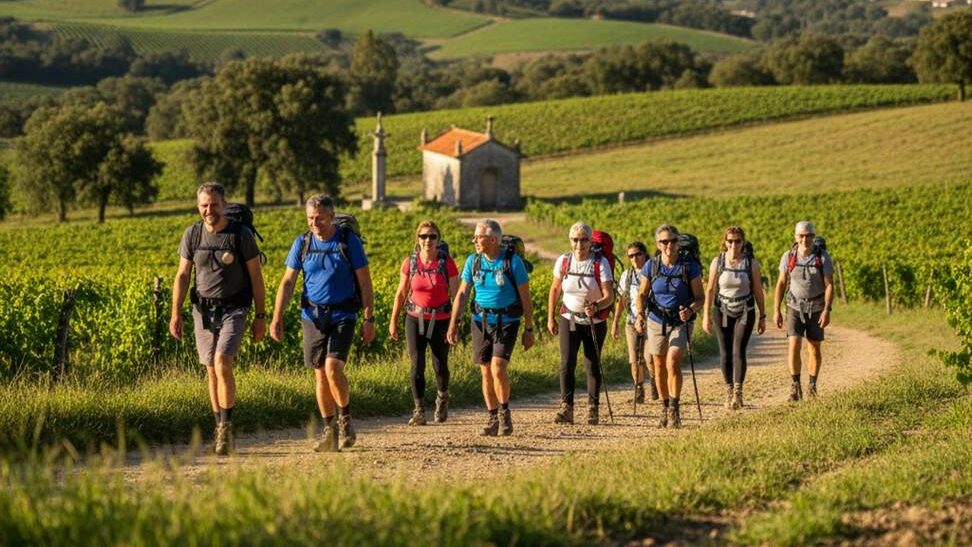
For centuries, the Camino de Santiago has been more than a route traced across maps of Europe. It is a living cultural corridor where footsteps, stories, and traditions intertwine, shaping both the pilgrim’s inner journey and the daily rhythms of the communities along the way.
Today, travelers seeking more meaningful experiences are discovering that the true essence of the Camino lies not only in reaching Santiago, but in the villages that quietly preserve its soul. Resources offering cultural corridor insights into routes such as the Portuguese Way help illuminate how these landscapes continue to nurture reflection, connection, and shared heritage.
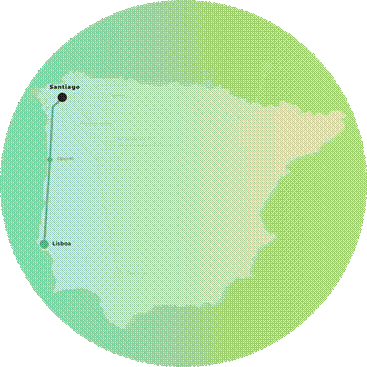
Among the many routes that shape this cultural corridor, the Portuguese Way stands out as the second most popular path to Santiago and one of the most culturally diverse. Beginning in Lisbon, the route unfolds on a south-to-north journey that connects some of Portugal’s most historic and vibrant cities, including Santarém, Coimbra, Porto, Barcelos, Ponte de Lima, and Valença do Minho. Each stop offers pilgrims a distinct blend of architecture, gastronomy, and local traditions shaped by centuries of shared history. Crossing the iconic international bridge over the Miño River, the Camino enters Galicia through the charming town of Tui, where Portuguese and Spanish influences meet. From there, the route winds through the entire province of Pontevedra, weaving together landscapes, village life, and culinary heritage until it finally reaches Santiago de Compostela, the sacred city of the Apostle.
Villages as Guardians of Living Tradition
What makes the villages along the Camino de Santiago culturally unique is their role as guardians of traditions that have evolved organically over centuries. Stone churches still ring their bells to mark the hours, communal fountains invite conversation, and local festivals punctuate the year with music, dance, and ritual. These villages are not museums frozen in time; they are living communities where history and modern life coexist.
Pilgrims passing through often find themselves drawn into everyday moments that reveal this authenticity: a spontaneous invitation to share homemade soup, a conversation with a local shopkeeper about the harvest, or participation in a saint’s day celebration. These encounters offer a deeper understanding of place, allowing travelers to experience culture not as spectators, but as temporary members of the community.
The Camino’s Influence on Daily Village Life
The Camino does not merely pass through these villages; it shapes them. Daily life along the route is subtly synchronized with the flow of pilgrims. Morning routines adjust to early departures, cafés open at dawn, and albergues come alive each afternoon as weary walkers arrive. This rhythm creates a shared cultural atmosphere where locals and pilgrims coexist in a mutual exchange of stories and energy.
Churches often become communal spaces rather than purely religious ones, hosting pilgrim blessings, concerts, or moments of quiet reflection. Market days and communal meals take on added significance, becoming places where languages mix and connections form. The Camino fosters a sense of openness that encourages hospitality while reinforcing community identity.
Gastronomy as Cultural Expression
Food plays a central role in this cultural exchange. Village kitchens along the Camino preserve recipes passed down through generations, often using local ingredients shaped by the surrounding land. Pilgrim menus are rarely elaborate, yet they are deeply symbolic, simple dishes shared around long tables encourage conversation and camaraderie.
These meals often become memorable milestones on the journey. Sharing bread, wine, and stories with strangers transforms eating into an act of cultural participation. Through gastronomy, pilgrims gain insight into regional identities while locals reaffirm traditions that might otherwise fade in a fast-paced world.
Authentic Encounters and Personal Transformation
In what ways can authentic encounters on the Camino lead to personal transformation? For many pilgrims, it is precisely these small, human moments that spark reflection. A conversation with an elderly resident recounting decades of pilgrim stories, or participation in a village ritual rooted in centuries-old beliefs, can prompt travelers to reconsider their own values and pace of life.
The Camino encourages mindfulness by design. Walking distances between villages create space for introspection, while the warmth of community provides emotional grounding. Local traditions, whether religious or secular, invite pilgrims to pause and observe, fostering a sense of presence often missing in everyday life.
A Shared Responsibility for Cultural Preservation
As interest in experiential travel grows, the relationship between pilgrims and Camino villages becomes increasingly important. Respectful engagement helps ensure that these communities continue to thrive without losing their authenticity. Choosing locally run accommodations, participating thoughtfully in traditions, and approaching the journey with humility all contribute to sustainable cultural exchange.
Guidance from experienced voices familiar with the Camino’s cultural nuances can help travelers navigate this balance. By highlighting routes, villages, and customs with sensitivity, such perspectives support both meaningful pilgrim experiences and the preservation of local heritage.
Walking Forward Together
Ultimately, the Camino de Santiago endures because it is shared. It is shaped by the countless individuals who walk its paths and by the villages that welcome them day after day. As a living cultural corridor, it reminds us that travel can be transformative when it is rooted in connection, respect, and curiosity.
For pilgrims, the journey offers more than distance covered, it offers belonging, reflection, and insight. For communities, it provides continuity, exchange, and renewed purpose. Together, they ensure that the Camino remains not just a route to Santiago, but a timeless dialogue between people, place, and tradition.
