BFI Flare: Transmasc co-directors talk mental health and raw, vital new documentary What Will I Become?
In this op-ed co-authored by filmmakers Lexie Bean and Logon Rozoz, the pair reflect on their personal connections to this deeply emotional project about the trans masculine+ experience, which is capturing widespread film festival attention
By Lexie Bean & Logan Rozoz
The loss of trans lives to violence is an epidemic that has been acknowledged in queer spaces for years, only recently entering wider public discussions. Our community is still reckoning with so much death: from HIV/AIDS, to intimate partner violence, hate crimes, and non-lethal violence, like so-called LGBTQ ‘conversion therapy’ and addiction. This conversation does not always acknowledge that suicide is a reflection of societal violence.
In the case of trans murders, the epidemic can be enumerated, the loss of life calculated, and the responsibility attributed to a single bad actor’s violence and transmisogyny. In the case of trans suicide, responsibility rests across many institutions, and on a broader culture, that has violently excluded, or failed to provide social and material support.
According to the American Academy of Paediatrics, over 50% of teenage trans boys have attempted suicide. WHAT WILL I BECOME? is a new documentary by us, two transmasc co-directors, that aims to make visible why this is, through the stories of two young trans men – Blake Brockington and Kyler Prescott – who died by suicide around the same time we came out and experienced our own attempts.
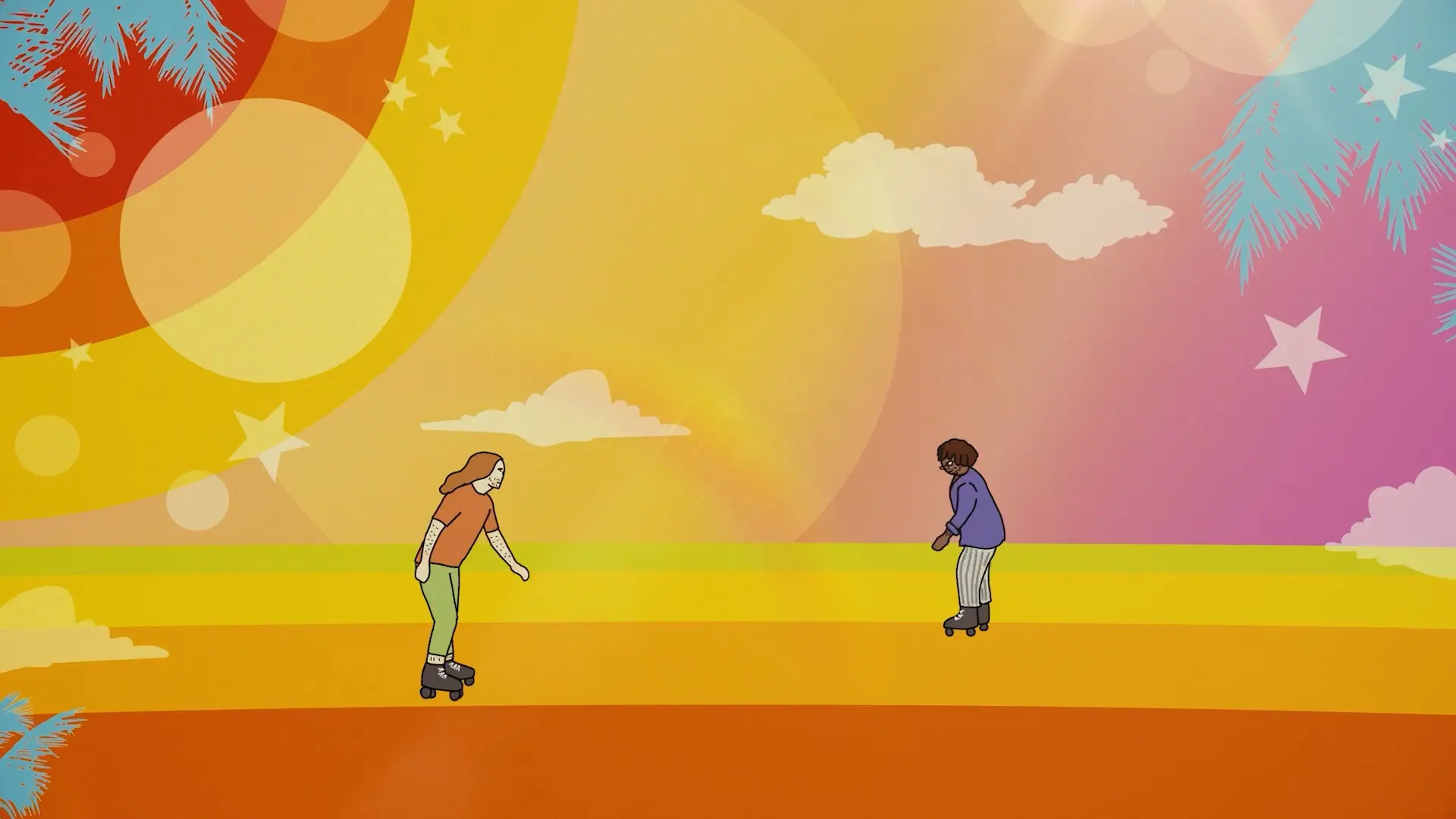
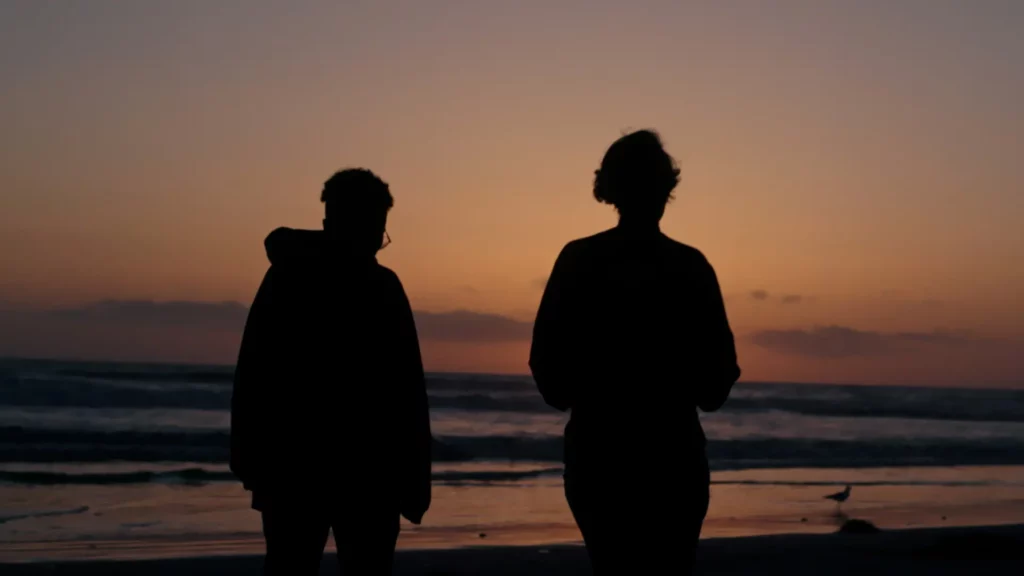
When we came out as trans boys, we only knew what we didn’t want to become. In the film, Lexie speaks directly about how growing up with incest and sexual abuse impacted their sense of safety in exploring masculinity. Meanwhile, Logan wanted to remain recognisable to himself while also being believed as a man. He was reckoning with his capacity to perpetuate misogyny while also coming into himself as a gay Black man.
Blake and Kyler’s stories illustrate the ways in which trans people are driven to believe they should disappear. They also will remind audiences that people who die by suicide are not selfish or weak – that suicide is, in many ways, murder done by society.
Throughout the film, we get to know Kyler – an autistic pianist and visual artist in California. His story speaks to the ways in which gender is violently policed, and how gentleness and vulnerability is punished in marginalised queer and trans men. His loved ones speak eloquently to the ways institutions, like hospitals, therapy, and schools, excluded and let him down. Even with supportive parents and trans friends, they could not undo the wider world’s hostility.
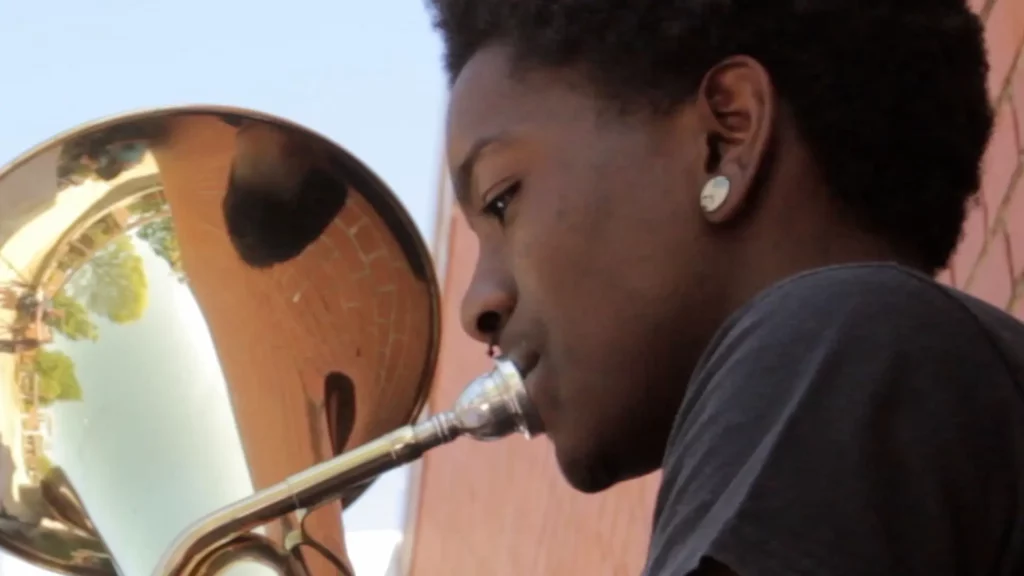
Meanwhile, Blake was the first openly trans homecoming king in North Carolina and a Black Lives Matter activist. His trailblazing spirit in the face of transphobia and racism did not guarantee survival. Even as he was pushed into the role of superhero loved by many, Blake continued to struggle with housing, online harassment, and US Rugby banning him from competing with his team as a trans athlete. His wide network of friends reflect on his decision to exit all social services in the final months of his life and the emasculating weight of asking for help.
How do we honour hope in our own becomings? We do so by showing up in the film as survivors. We provide hope by telling our own stories instead of leaving it up to “objective” media and political figures. As filmmakers working with themes of suicide and the disappearance of the self, it is also our responsibility to elevate trans joy and alternative support systems. Within the film, we seek to elevate gender-expansive packers with Darb Garb, lifesaving interventions with Trans Lifeline, and trans elders offering companionship in the T-Man Hiking Group. Our creative team is predominantly LGBTQIA2S+ and/or directly impacted by suicide, honoring the visibility we set out to create.
The film’s title, WHAT WILL I BECOME?, is a question we have surely asked ourselves. It’s the nature of transness, surviving suicide, and safely navigating new masculinities. As this film travels globally – within film festivals, theatres, and community screenings – we invite audiences to join us in imagining a future where trans people can be safe and loved. Today and for the years to come, our community will have our rights questioned, stripped – in the US, UK, and beyond.
We must extend the question ‘what will I become?’ to everyone. What can the world become? What will you?
What Will I Become? is playing as part of this year’s BFI Flare: London LGBTQIA+ Film Festival.
Get more Attitude