
Meet the gay poet who overcame a decade of depression to write his debut book
"There is something strange about transforming your private life into a character and then surviving him," writes London-based poet Richard James, who reflects on queer melancholy, the poems that first made his pain legible, and writing his way beyond his self
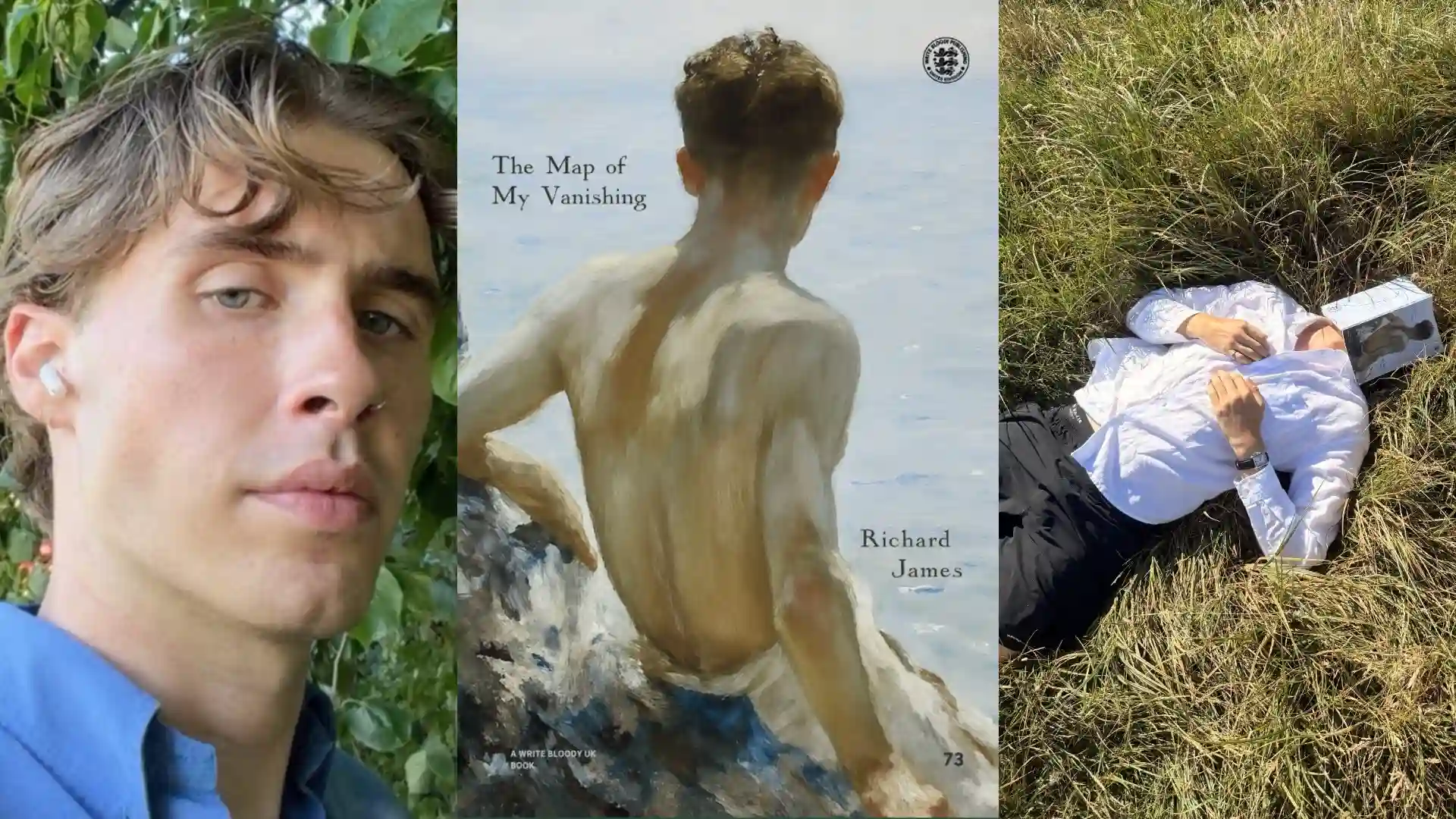
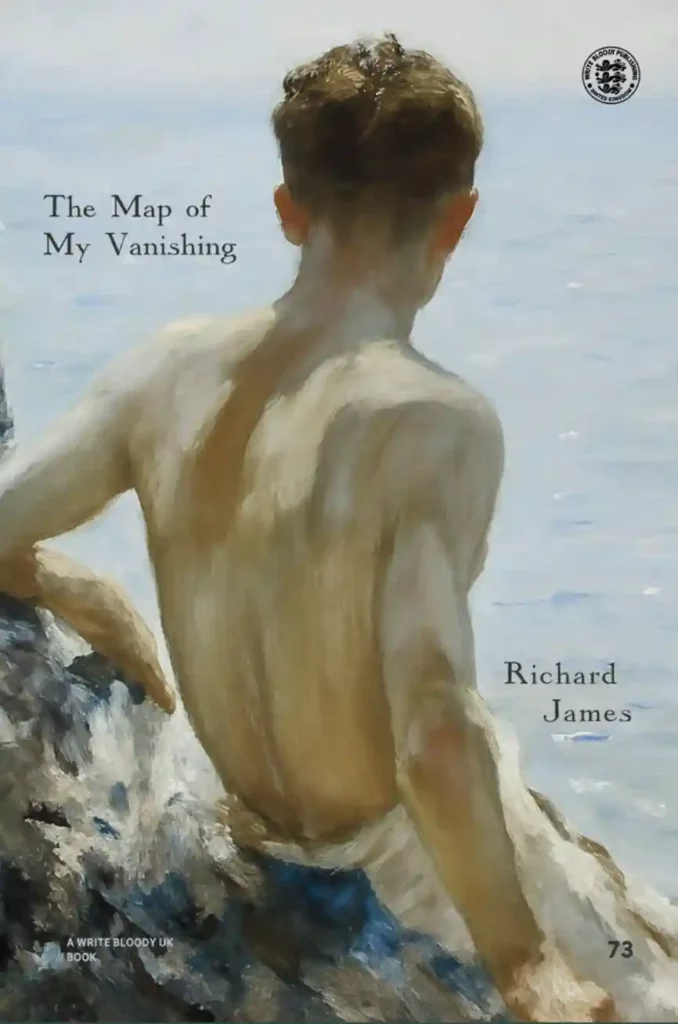
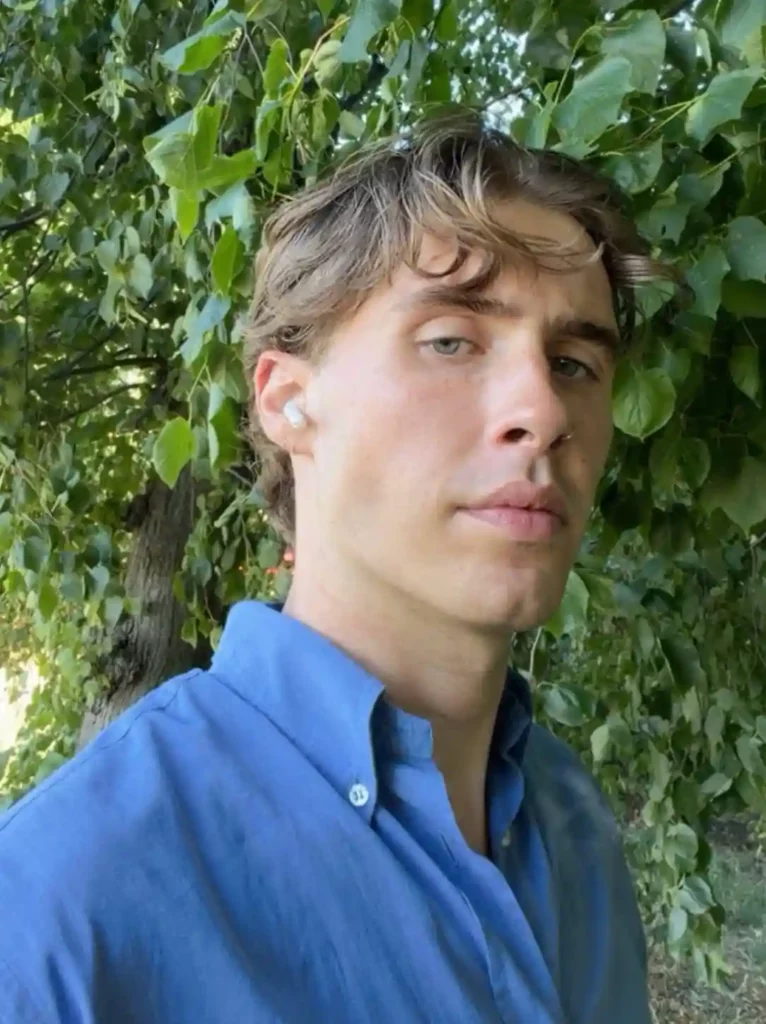
Richard James is a London-based poet. His debut collection, The Map of My Vanishing, transforms a decade of private journals into a narrative of queer desire, melancholy, and survival. It is published by Write Bloody UK.
“The game was set up in front of me – all the same glimmering little pieces I used to love – only now I didn’t want to play…”
For years, this was the closest I could come to explaining depression.
A world emptied of invitation.
Everything I needed was still here – August evenings, music, bodies, possibility; the impossible happenstance of being alive at all. I could see that the world was beautiful; though I could not locate the part of myself that knew what to do with that beauty, try as I did.
At school, I stumbled across poems that seemed to recognise and articulate my strange ache before I could. Somehow, words written decades earlier were poking light through the cement-thick joy-blocker I wore over my school blazer.
Poems were arrangements of strange, dense language – words colliding in bizarre orders, interrupted by silly little line breaks, ridiculous punctuation dancing across the page – and yet, together, they showed me an intensity of feeling I previously believed belonged to me alone.
I saw something much greater than a collection of language.
For the first time, I was not simply inside my same, trudging sadness. I was looking at it.
It was sliding from my side.
So I started to write too –
“I, breathless fool, possessing only the deformity of longing,
stared too hungrily at a life that was never mine.”
Poetry gave shape to feelings that had previously seemed formless. A line break introduced breath or echoed my own heart’s desperate little rhythm. An image allowed me to approach the ineffable through a secret back passage; abstraction placed a handrail beside an experience that had once felt impossible to enter safely.
The constraints conspired to something much greater than language alone – something that had failed me in the many depressed years before.
Poetry asked me to sharpen what had been diffuse, to choose the precise word over the loudest one. Pain became material: undiminished, but held at an angle from which it could finally be examined, and then conquered.
“Reason returns, and I know better
than to let the sickness bear my name”
After so many years believing depression and I were indivisible, this was the single biggest transformation of my life.
Once those feelings existed outside my body – in ink, image, character, voice – they no longer seemed limitless. They had edges. They could be moved around. They could be revised. They became my cathartic little plaything.
“Tirelessly I sculpted wit from hunger;
fashioned elegance from loss.
For now, I have him fooled.
Until he should look at me long enough
to see the tears pool in my eyes.”
Soon my protagonist was born.
Over almost a decade of private journals, largely written between sixteen and twenty-five, his narrative slowly declared itself.
We had before us a boy with nothing but desire in his bloodstream: sun-drenched, vain, tender, convinced that if he studied the world closely enough, he might find somewhere to place all the love he has coursing through him. He was afflicted, as he saw it, by a sadness much greater than him.
He wanted everything. The right face, the right body, the right future. Romance grand enough to justify the waiting. He approached life with an almost religious hunger.
The entries were never written in sequence. They accumulated in notebooks and journalling scraps, through breakups, birthdays, hangovers. Only later did I begin arranging them into the story they had been telling all along. I cut, rewrote and reordered the private record until it became The Map of My Vanishing: fifty poems tracing a young man’s movement from wonder into fracture, and finally towards a reckoning.
“But you see, I couldn’t stand it – the relentless searching,
finding more tears when you’ve sobbed them all out;
pretending you’ve any unspent reason to remain.”
The differences between myself and my protagonist are thin but crucial.
By the end of The Map of My Vanishing – a story told in poems – he disappears, true to the title.
What remains is the book: a map by which the reader might retrace his steps, his wonder, his plea, and understand why he had to vanish.
In the end, I kill him.
I killed him because his death gave a desperate narrative and exquisitely dramatic poetry the appropriate ending, but perhaps even more so because I had to kill what he represented in my life.
In so doing (granted unwittingly), I gave depression a boundary.
There is something strange about transforming your private life into a character and then surviving him. I had written him out of myself, poem by poem, until he could be placed between the two covers. I could hold the book and understand that this anguish had belonged to me without the troublesome belief that he – and depression – was me.
He became the record of what happened.
I, the person who lived beyond it.
The book is now in the world, and perhaps that is its final transformation: what began as the private record of one little queer boy’s disappearance can be held by anyone who has fought hard to remain in love with the world, while its little gilt invitation fell apart in their hands.
I wrote this book for you, reader. I wrote it to give melancholy a language, and offer other thinkers, feelers, dreamers, a place to put both their darkness and their lightness. To comprehend the depth and bite right through it, and then come back to the world evolved.
The Map of My Vanishing is available to order at richardjamespoet.com.
My protagonist would not return.
But I have.