Queen’s 10 best B-sides: Freddie Mercury’s Wembley power, Roger Taylor’s killer vocals and the band’s campest live medley
As we celebrate 50 years of the masterpiece that is ‘Bohemian Rhapsody’, Attitude explores the finest deep cuts of Queen’s discography
By James Hodge
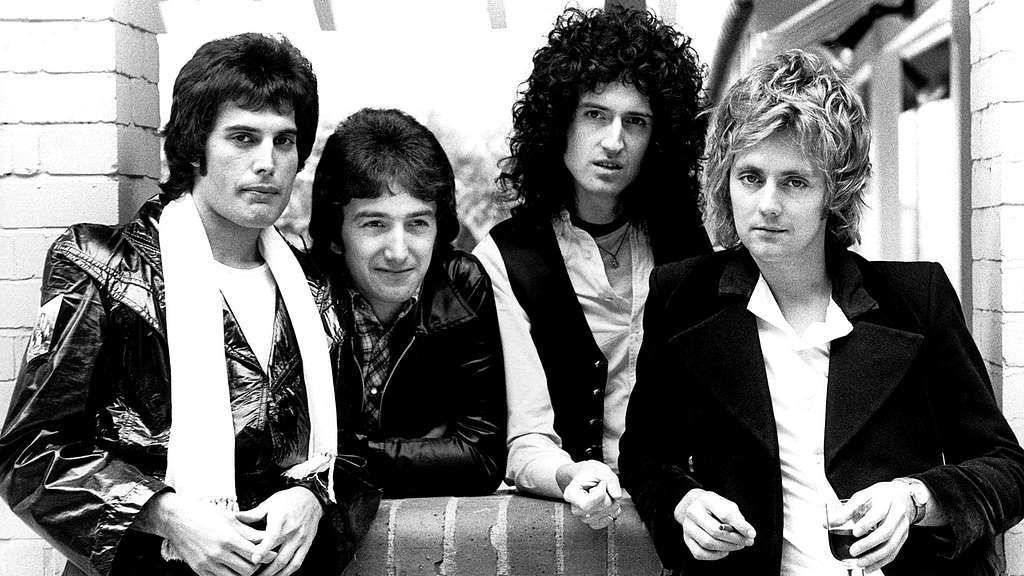
As we celebrate 50 years of the masterpiece that is ‘Bohemian Rhapsody’, Attitude explores the finest deep cuts of Queen‘s discography.
‘Who Wants to Live Forever’ (live version)
Without doubt, ‘Who Wants to Live Forever’ is this listener’s all-time favourite track by Queen. Written at the end of Mercury’s time touring with the band, the live performance at Wembley in 1986 is packed with power and feeling. After Mercury’s diagnosis of HIV/AIDS in 1987, touring had to end due to the frontman’s ill health. The rawness of the power ballad vocals combine with heartbreaking lyrics, with Mercury wondering “What is this thing that builds our dreams / Yet slips away from us?” in his final moments in the spotlight.
‘Great King Rat’ (album track)
From the very first Queen album, this processional and quick-beat track tells the tale of a “dirty old man” condemned by those around him. At first, it appears to be a warning to those who follow a path of depravity and exuberance. However, the song soon turns into something darker and more satirical as it questions religious hypocrisy. The rat may be a sinner, but shouldn’t he also be forgiven, according to doctrine? Mercury’s delicious pondering — you should be shocked but “wouldn’t you like to know” more — tempts the listener to stray from the restrictive moral path.
‘Soul Brother’ (B-side)
Queen’s closest thing to an R&B or soul number, this track features a funky twist on the band’s signature rock sound, with a more relaxed and Stevie Wonder-esque vocal that dips and dives with emotions. Filled with iconic lyrical references to other Queen tracks (“He will rock you”, “When you’re under pressure”, among others), not only is the B-side a success in its own right but an opportunity for fans to go on an Easter egg hunt!
‘The Fairy Feller’s Master-Stroke’ (album track)
An early signifier of Mercury’s queerness, this track leans into the rock opera tradition of fantasy storytelling by taking the listener on a ride into a magical realm. Inspired by both Shakespeare’s A Midsummer Night’s Dream and the eponymous poem and painting by Richard Dadd, is the “quaere fellow” subject actually a reference to the lead singer’s sexuality? Featuring chaotic harpsichord, highfalutin riffs and veering in and out of Mercury’s trademark falsetto, it captures the early bold creative choices the band later became famous for.
‘Ride the Wild Wind’ (album track)
Freddie Mercury sang lead vocals on most of Queen’s tracks, but here he shares the mic with drummer Roger Taylor, who shows off not only his own awesome rock voice but incredible percussive talents. The pounding, high-paced drums are matched with swooping motorcycle effects that urge the listener to “live life on the razor’s edge”, leading to a song that captures Mercury’s essence as a man who made the most of his wild life as a rock star, living every second unashamedly as himself.
‘Lazing on a Sunday Afternoon’ (album track)
A satirical plinky-plonk piano track found on A Night at the Opera, this playful and breezy number sees Mercury take on the persona of a city worker looking forward to a lazy weekend after a busy week. But trusting as ever in Mercury’s wicked sense of humour, this satirical piece pokes fun at the rich and heteronormative, as the run-through of weekly pressures becomes more and more extravagant (the song refers to “waltzing to the zoo”, “painting in the Louvre”). Perhaps the narrator is in fact so blinded by privilege he doesn’t require a rest whatsoever.
‘Big Spender’/‘Jailhouse Rock Medley’ (live cover)
Was Mercury the greatest showman of all time? Quite possibly. But who was he inspired by? Among many influences, Welsh diva Shirley Bassey and king of rock’n’roll Elvis Presley were key inspirations for his theatrics and stadium-filling charisma. This back-to-back pairing of covers plays cleverly with expectations. ‘Big Spender’ — ever camp — becomes grungier, rougher and more queer. ‘Jailhouse Rock’, meanwhile, has never sounded so epic and is only enhanced by Mercury’s frenetic rock’n’roll energy.
‘Get Down, Make Love’ (album track)
Mercury was no doubt a sex symbol for his time. Indeed, his iconic tache has become a staple look on the scene again in recent years. ‘Get Down, Make Love’ is probably the sexiest of Queen’s backlist, oozing eroticism. What begins as a slow, acoustic pounder soon erupts into a metaphorical climax of instrumental strangeness and epiphanic production.
‘The Show Must Go On’ (live)
Elton John features frequently in B-sides. Seemingly, one of the greatest voices of all time has sung with all of the best musicians of his generation. ‘The Show Must Go On’ — always a slice of melodrama — is only enhanced by live strings and Elton’s heightened emotions as he performs at a memorial concert for Mercury after he passed away. Elton sings with forcefulness that alludes to underlying grief as he belts through the first verse and the iconic chorus, culminating in a rendition that is rawer than typical as the guest singer remembers his rockstar friend.
‘A Winter’s Tale’ (posthumous release)
Releasing a Christmas song is almost a rite of passage for a band. Queen’s take on this — one of the last songs written and recorded by Mercury — is a beautiful, ethereal ballad that avoids the cliches of your typical festive track to instead focus on the awe and wonder of a winter’s day: the gradual change of “red skies” into a “silky moon”. The “Am I dreamin’?” refrain sees the singer find simple pleasures in a cold December evening.
Subscribe to Attitude magazine in print, download the Attitude app, and follow Attitude on Apple News+. Plus, find Attitude on Instagram, Facebook, TikTok, X and YouTube.