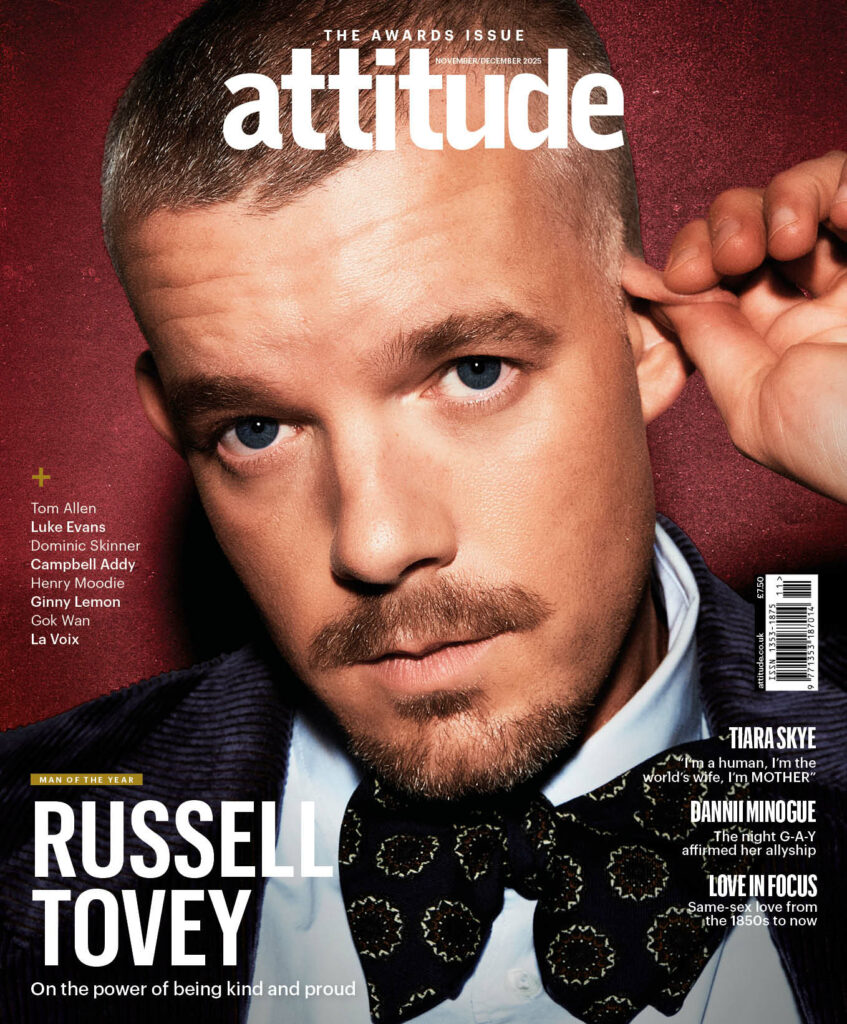
Donna Summer’s Love to Love You Baby revisited: An exciting breakthrough moment in ‘sex rock’
On the 50th anniversary of Love to Love You Baby, Joseph Ryan-Hicks gets hot under the collar listening to Summer's breakthrough album
In every pop icon’s career comes a moment where the world stops, listens, and the trajectory of their career changes forever. For Madonna, it was dry-humping the stage in a wedding dress at 1984’s VMA ceremony. More recently, it was Sabrina Carpenter’s shot of ‘Espresso’. For the late Donna Summer, the undisputed Queen of Disco, that shift came in 1975 with the release of her second studio album, Love to Love You Baby.
Upon release, Summer was hardly a global superstar. She was an American living in Germany, making a modest name for herself in theatre in shows such as Hair. Her first foray into mainstream music, with 1974’s folk-influenced record Lady of the Night, had been underwhelming. What came next could never have been predicted. Together with producers Giorgio Moroder and Pete Bellotte, she sculpted a sound that would come to define an entire era and continue to inspire for decades to come.
The album’s title track is easily one of Summer’s best. Stretching across 16 minutes and 49 seconds, ‘Love to Love You Baby’ was intended as an experience. It’s a breathy, slow-build number that sees Summer emulate an orgasmic state. Upon first listening, the singer’s mother declared: “I’m never going to be able to go to church again!” The single shocked and thrilled in equal measure. Critics dubbed it “sex rock”, some radio stations banned it, but for partygoers it became an essential spin at discotheques across the world. It was Summer’s first big hit.
While the title track understandably stole the spotlight, the rest of the album shouldn’t be overlooked
The track didn’t just make the singer a household name; it cemented her as synonymous with the emerging disco genre. Here was a woman owning her sexuality not through clever metaphors and wordplay, but through sound and “a feeling”. Summer’s unapologetic sensuality made her an instant hit among gay listeners, kickstarting a love affair between the singer and the community that would only continue to intensify. More on that shortly.
While the title track understandably stole the spotlight, the rest of the album shouldn’t be overlooked. ‘Full of Emptiness’ showcased Summer’s theatrical background, blending dramatic balladry with orchestral flourishes. ‘Need-a-Man Blues’ leaned into funk, proving she wasn’t confined to disco only. And ‘Whispering Waves’ hinted at sounds she’d revisit on later albums. Together, the tracks made it clear that Summer wasn’t a one-trick pony but a versatile artist with the charisma to pull off a range of styles.
Love to Love You Baby was an international success. The album reached the top 20 in the UK, US and Australia; it would take another four years for the singer to reach the top spot with 1979’s Bad Girls. Only the title track was released as a single, with Summer releasing her third studio album a mere seven months later.
Summer’s God-like status within the queer community hasn’t always been straightforward
But perhaps the enduring legacy of Love to Love You Baby is its role in shaping Summer’s relationship with the LGBTQ+ community. Disco itself was, in many ways, a queer invention. It was born in underground nightclubs where the queer community, people of colour, and women could find joy and freedom away from society’s judgement. Summer, with her defiant sensuality, became the soundtrack to this. It was camp, it was glamorous, and the controversial nature of the track made it a little bit dangerous too. All of these factors made her an obvious gay icon.
With that said, Summer’s God-like status within the queer community hasn’t always been straightforward. Journalist Kevin Koffler reported that the singer made derogatory comments on stage during a 1983 concert, allegedly saying to the audience: “I have seen the evils of homosexuality; AIDS is the result of your sins.” These claims were strongly denied by Summer, saying in a 1989 interview with The Advocate: “What people want to do with their own bodies is their personal preference. I’m not going to stand in judgement about what the Bible says about someone else’s life. I’ve got things in my own life I’ve got to clean up. What’s in your life is your business.” There is still little evidence to support Koffler’s claims.
‘Love to Love You Baby’ continues to hold its place in the pantheon of gay club classics — as vital to queer nightlife as Gloria Gaynor’s ‘I Will Survive’ or Cher’s ‘Believe’. It would be one of several entries by Summer in this category of floorfillers. As Summer’s first commercial success, Love to Love You Baby holds its own as an exciting breakthrough moment in a remarkable career.
Subscribe to Attitude magazine in print, download the Attitude app, and follow Attitude on Apple News+. Plus, find Attitude on Instagram, Facebook, TikTok, X and YouTube.