Coming out as a filmmaker: Meet the gay guy making his dream of being a movie director happen
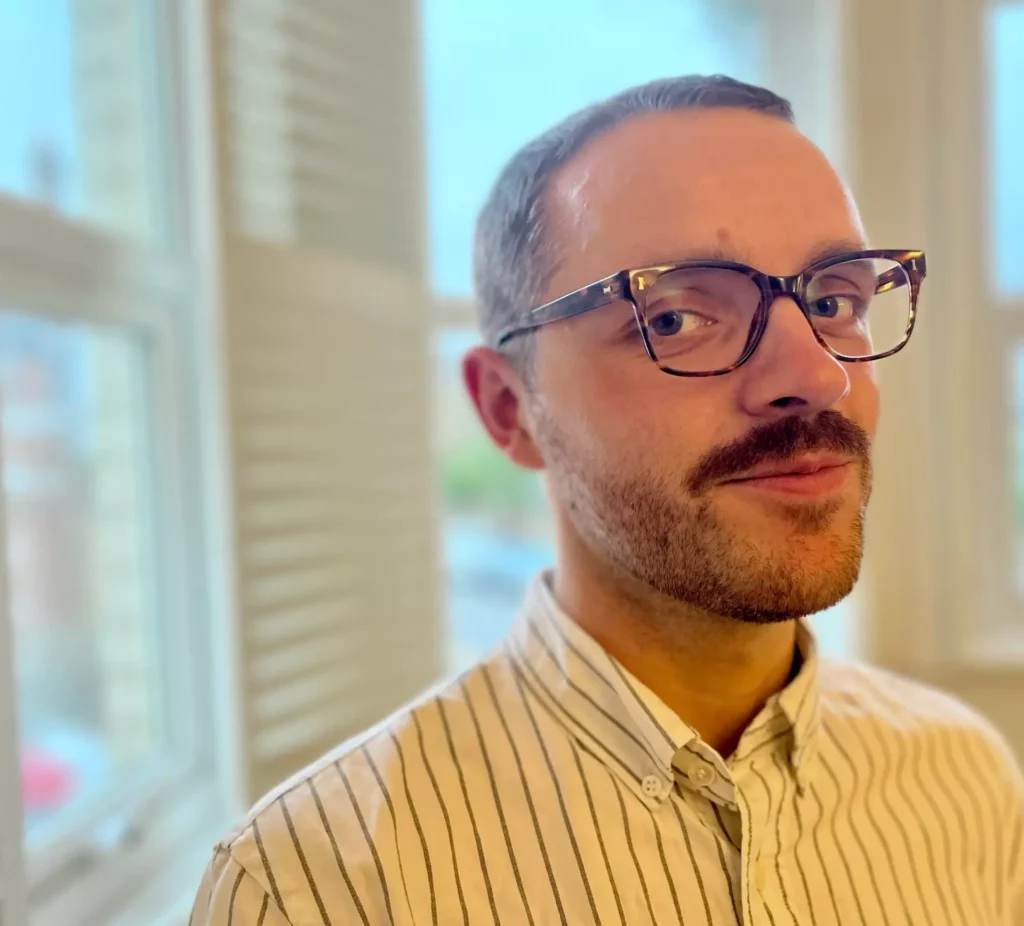
“The film I’ve written is a queer, supernatural horror, set in Thatcher’s Britain, against the backdrop of the AIDS crisis and the miner’s strike,” writes Jordan Allwood of his journey to becoming a first-time screenwriter
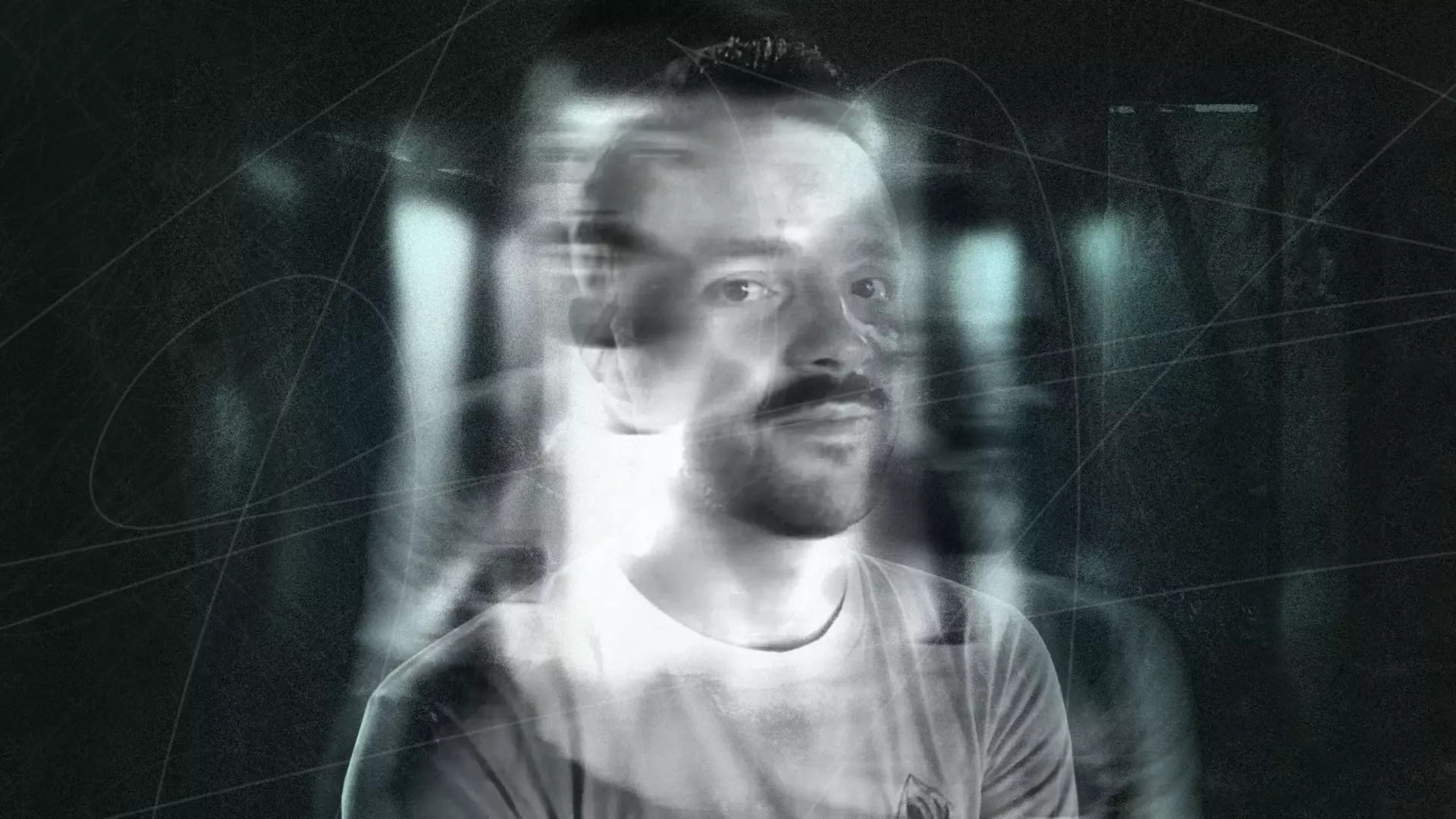
How do you write a queer film? Writing, on the whole, is hard. I know, it’s an odd way to start an article for a magazine. But seriously, it is. Think about the last time you wrote something. How many times have you rewritten that message to that guy you like, without actually sending it? Take that feeling and multiply it. Page after page of that. Indecision, doubt, rephrasing, forever. Writing a film is even harder.
It takes knowledge of the form, a feeling for dialogue, a sense of space, pace and motion. And then there is the small matter of finding millions of pounds to make the thing. The film I’ve written, hopefully the first of many, is a queer, supernatural horror, set in Thatcher’s Britain against the backdrop of the AIDS crisis and the miners’ strike. It’s an attempt to reconcile two conflicting facets of my personality — growing up in a socially conservative steel town and being a raging homo — whilst scaring the absolute shit out of you.
I’ve always been a huge fan of horror, but recently the genre has become an increasingly effective way to tell stories about those facing discrimination, whilst engaging and entertaining audiences: anything from Sinners to Get Out, from I Saw the TV Glow to What Keeps You Alive (underrated, give it a watch). Whilst not all direct influences, these films have nonetheless been hugely inspiring.
The idea itself has been haunting me for years (the first notes I made are dated September 2020), and I’ve been lucky enough to find other collaborators along the way, including my brilliant producers (one of whom made My Policeman, starring an up-and-coming young talent named Harry Styles) and an outrageously gifted director whose name I will withhold for fear of his agent seeking violent repercussions.
I would love to tell you more, but the pressure in an industry built on novelty and momentum is to keep as much under wraps as possible, at least until the film is financed and made. And really, I should say if it’s financed or made. The process of financing independent films is more terrifying than any demon or knife-wielding murderer. Horror, though typically easier to make than other genres, usually requires early buy-in from distributors in international territories including the Middle East and Eastern Europe. You can see the problem for a film full of boys kissing and such.
Independent films also usually need known actors to be viable, and while the debate around casting straight actors in queer roles has settled somewhat (thanks Pillion), considerations remain.
Out gay actors can be quietly encouraged to take more straight roles to broaden their commercial appeal. Straight actors can be reluctant to play gay and risk backlash. Films can be censured abroad just for featuring an out actor. Making a queer film is riskier than the average, and the average is already pretty risky.
But it’s not impossible. Leviticus, an Australian horror film about conversion therapy, reportedly sold for megabucks at Sundance. This year’s 40th Anniversary BFI Flare will bring us films as diverse as Dominican Republic serial killer thriller Don’t Come Out and Lesbian goth trans vampire horror The Serpent’s Skin.
The second series of Heated Rivalry will also be a thing that undoubtedly exists in the world. As that show demonstrates, when presented with queer stories, audiences often don’t discriminate. Convincing the people in the middle is the tough bit.
I’ve always wanted to make films, and I’m grateful to have a fun, demanding (non-writing) job in the film industry, but the need to write persists. That said, I’m not confident talking about writing. Maybe it’s the ex-industrial-Northern-town in me, but I have the unshakeable sense of feeling like a bit of a wanker when I do.
Is it imposter syndrome? Or justified concern? What do I have to say that’s sufficiently meaningful to be worth 90 pages and a heap of cash to realise?
I spent a short period of my life in the closet, but a significantly longer stint in the writing closet. It took me literally years to admit to people that I was doing it, and for a long time only some close friends and my long-suffering husband/unpaid-development-assistant knew about it.
When I finally worked up the courage to pitch a film to some producers I knew, I did it under a fake name. Seriously. I said it was to avoid a conflict of interest with my job, but really it was pure self-preservation. If it was crap, at least they’d never know it was mine.
Although I’m getting better at ‘fessing up to this part of my life, it remains an evolving process, as I gradually try to ignore “wanker-alarm” blaring in the back of my head.
There are more similarities between coming out as a writer and as LGBTQ+ than I had realised. It’s not a single event so much as a process, a series of incremental admissions.
You’re constantly braced for rejection, and more frequently met with the opposite. So, when I was asked to put down some thoughts about my journey towards making this film, I realised I’d been gifted an irresistible possibility. What better place to come out (even if only as a lowly aspiring writer of films) than in Attitude?
As I return to that question — how do you write a queer film? — the truth is that I really can’t presume to tell you just yet.
Maybe when my current project, or one of the others floating around my head, gets made, I’ll have a better answer. For now, it feels enough to admit to you and to myself that what I have to say is worth saying. Getting it down, making it work, that’s another matter entirely. As I said, writing is hard.
This article first appeared in Attitude Uncut, an all-new digital magazine that will be published six times a year (between Attitude print issues) and available exclusively on Apple News+ and via the Attitude app. Featuring long-read journalism inspired by themes resonating within the LGBTQ+ community, each issue will provide a deep dive into topics as varied as sexuality, identity, health, relationships and beyond.