
Broken English review: Courtney Love and Suki Waterhouse help Marianne Faithfull step out of Mick Jagger’s shadow
Debuting in the UK at the Barbican, Broken English reclaims Marianne Faithfull’s story and reminds us how much of it has been told for her
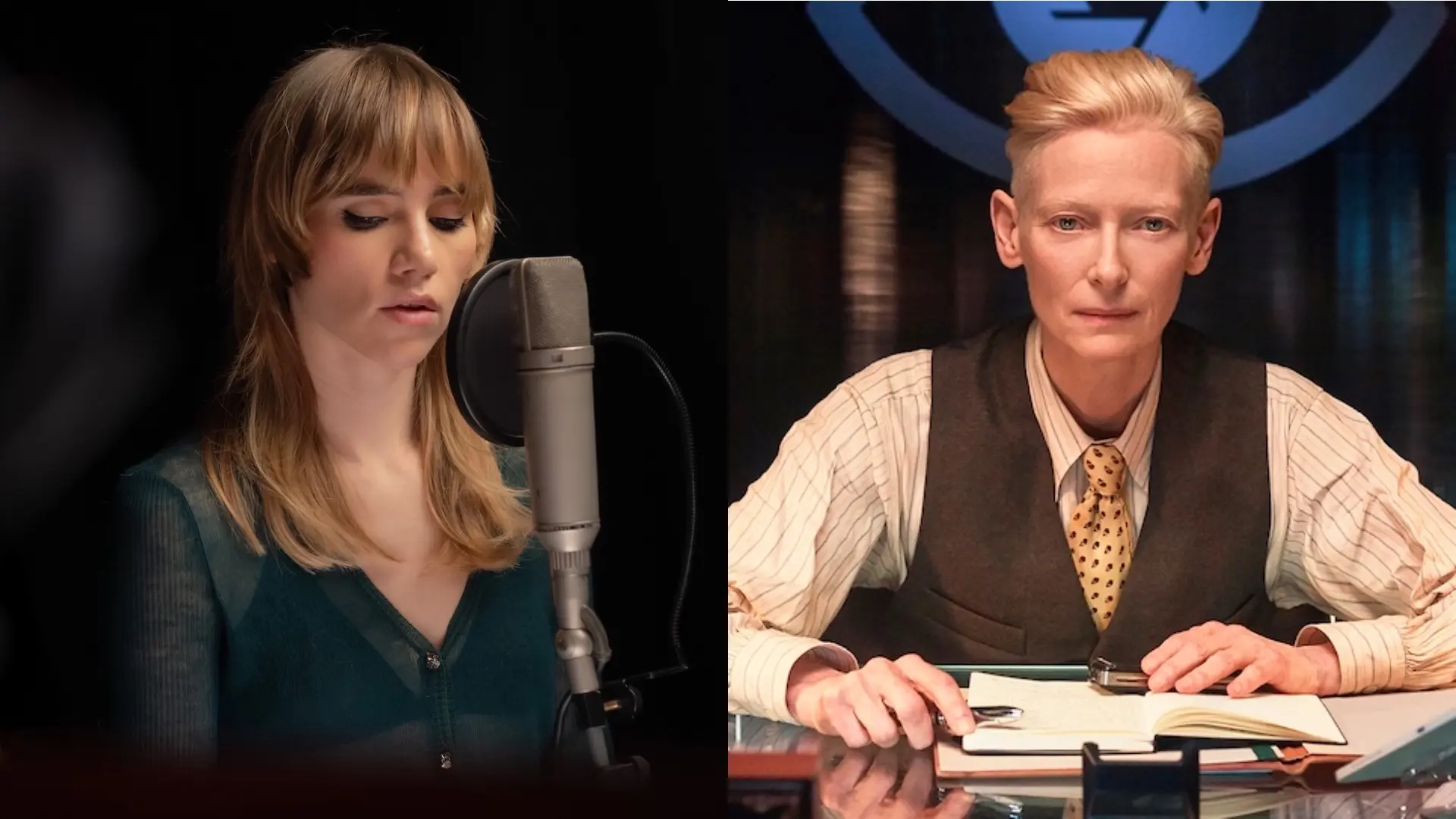
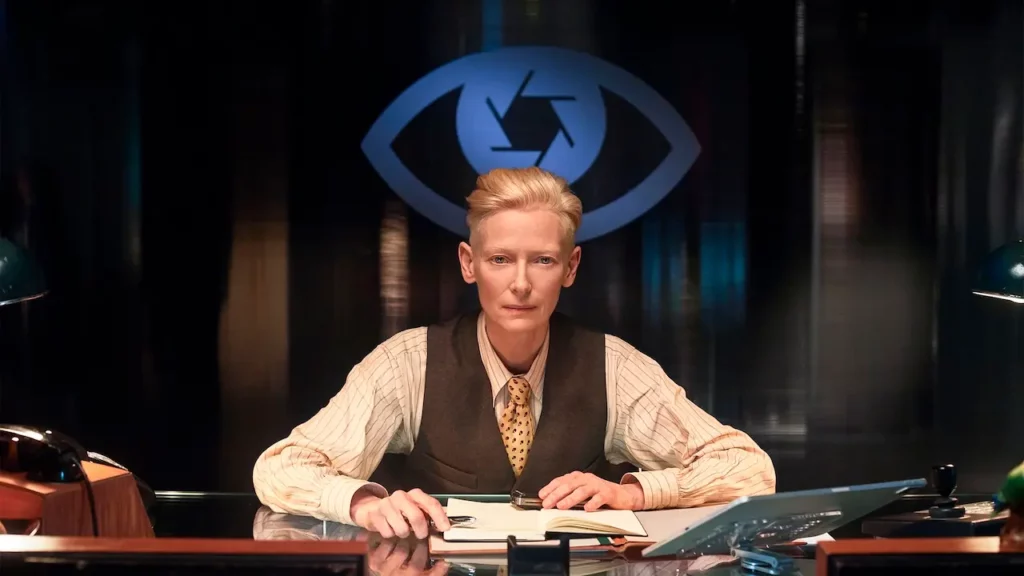
Marianne Faithfull, a proudly bisexual artist who lived far outside the boxes people tried to put her in, is long overdue for this kind of reckoning. Broken English arrives as both a reclamation and a reminder of just how much of her story has been told for her, and how fiercely she fought to take it back. Using an intriguing framing device, the “Ministry of Not Forgetting,” the film pieces her life together in real time, with figures building timelines, uncovering records, and reconstructing the truth of who she was. With Tilda Swinton and George MacKay as two of its quiet observers, the film takes on a subtle theatricality, as if memory itself is being staged and reexamined.
When she was first “discovered,” Andrew Loog Oldham famously claimed he could turn her into a star with no talent. Her response? “I’ll show you, you cunt.” That alone tells you everything. She may have been found at that party, but she already possessed an immense amount of talent, and she knew it. She knew she was meant for folk music, even as others tried to push her somewhere more convenient, more marketable, more controllable.
Seeing her now, reflecting on her life, intercut with those early clips of her luminous younger self, is genuinely moving. When she says, “If I had a dollar for every song or poem about you, darling, I’d be rich,” and she’s referring to men like Bob Dylan and Mick Jagger, you feel the weight of how often she was the subject instead of the author.
Broken English takes viewers through Marianne Faithfull’s highest of highs and lowest of lows
Loved seeing how absolutely gorgeous she was during The Rolling Stones Rock and Roll Circus, radiant and effortless, with that unmistakable voice. There’s something almost painful in watching those moments knowing what’s coming next. The film does not look away from the darker turn. Her suicide attempt is handled with a quiet heartbreak, and you feel her slipping, especially in the aftermath of ‘Sister Morphine’ being pulled and the fallout from the Redlands raid narrative going so public. The version of her that the world consumed began to overtake the artist she actually was.
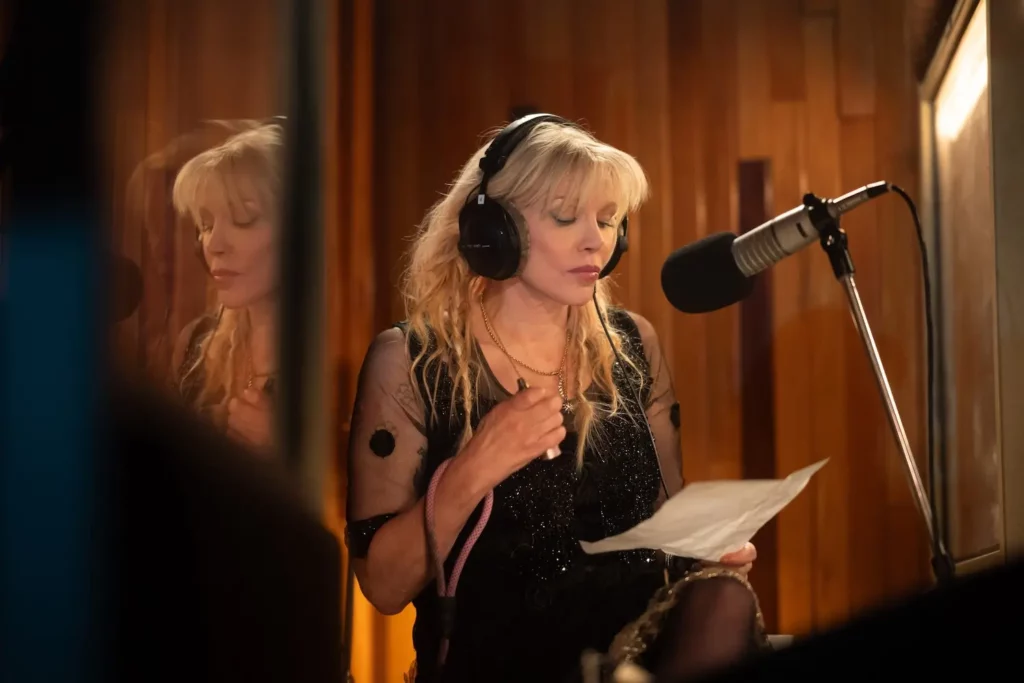
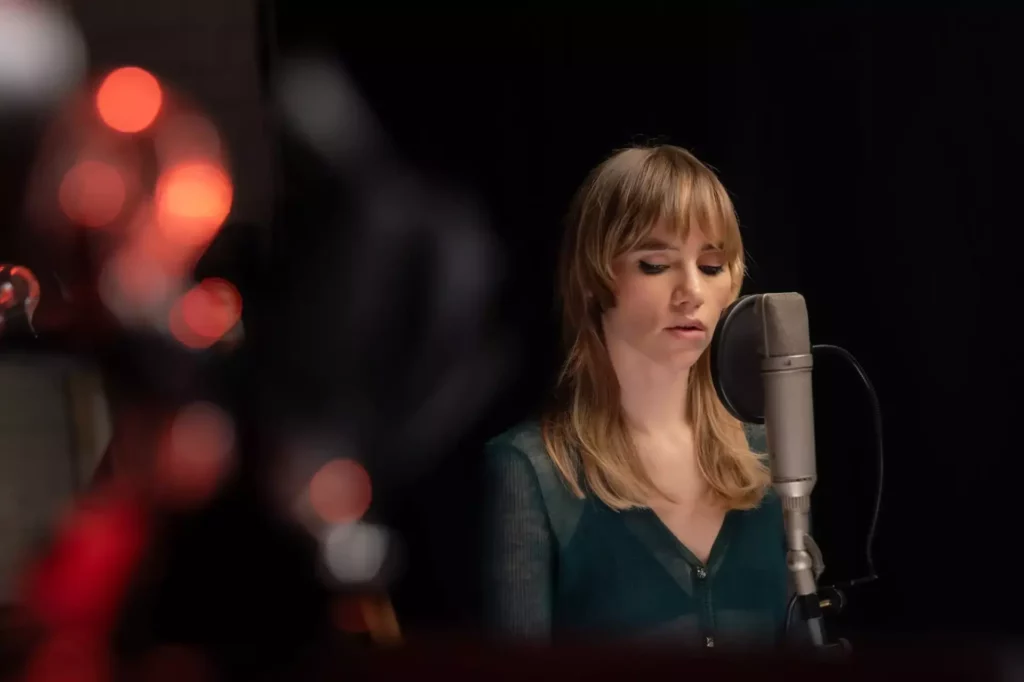
The documentary includes performances of her songs by other artists. I often just wanted to stay with Marianne’s voice, but Suki Waterhouse singing ‘Sister Morphine’ is hauntingly beautiful and actually feels in line with Marianne’s own emotional register. She, along with Courtney Love, are the standout performers in the documentary, each bringing something raw and deeply felt to Marianne’s work.
Marianne was not just orbiting great artists, she was one
What emerges most clearly is that Marianne was not just orbiting great artists, she was one. Her life reads like a tapestry of creativity, from her relationships in the art world with John Dunbar to her collaborations with Mick Jagger and Keith Richards. ‘Sister Morphine’ alone is proof, yet at the time, the idea that a woman could write something that raw, that dark, that honest, was too much. They wanted Marianne to be an angel. She gave them something far more complicated. And for that, she paid the price, taking years before she felt ready to write again.
A fear of being judged, she says, has always been one of her greatest fears, and you can hear it threaded through so much of her music. What is remarkable is that, as a woman who was judged so relentlessly throughout her entire career, she kept creating anyway. That resilience feels almost unbelievable, and it is part of what makes her not just compelling, but truly extraordinary.
The film makes you feel just how much she was reduced, and how hard she had to fight to be seen
The overall mood leans into a hazy, moody seventies atmosphere, which works beautifully with Marianne’s story. But what really stands out, and honestly feels shocking at times, is watching old interviews and hearing the way men spoke to her. Again and again, the focus drifts away from her talent and onto the men around her, as if her artistry could not exist on its own. It is frustrating to witness, but also essential. The film makes you feel just how much she was reduced, and how hard she had to fight to be seen.
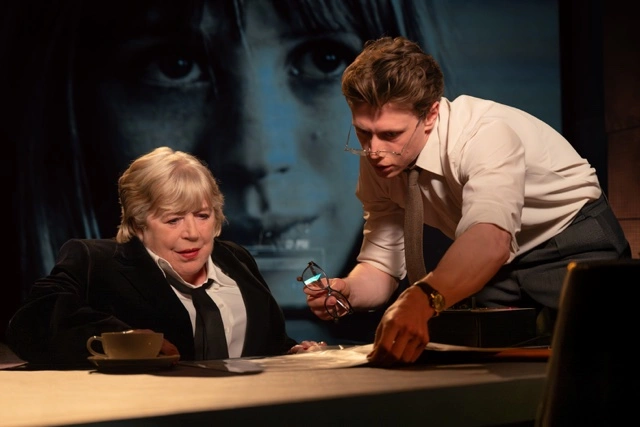
The film, Broken English, is brilliantly directed by Iain Forsyth and Jane Pollard, with such clear care for Marianne. It feels like a gift, not only to those who have always loved her, but to people like me who thought we knew her, only to realise there was so much more still to discover.
In the end, what Broken English does so powerfully is pull Marianne Faithfull out of the margins of other people’s stories and place her firmly back at the centre of her own.
Not just a muse. Never just a muse.
This review was written after Broken English made its debut in the UK, screening at the Barbican on 18 March.