
JW Anderson celebrates Bob Mizer’s Physique Pictorial with a Pride exhibition
JW Anderson celebrates Pride with a Soho exhibition of Bob Mizer’s Physique Pictorial, highlighting 40 works from the influential magazine
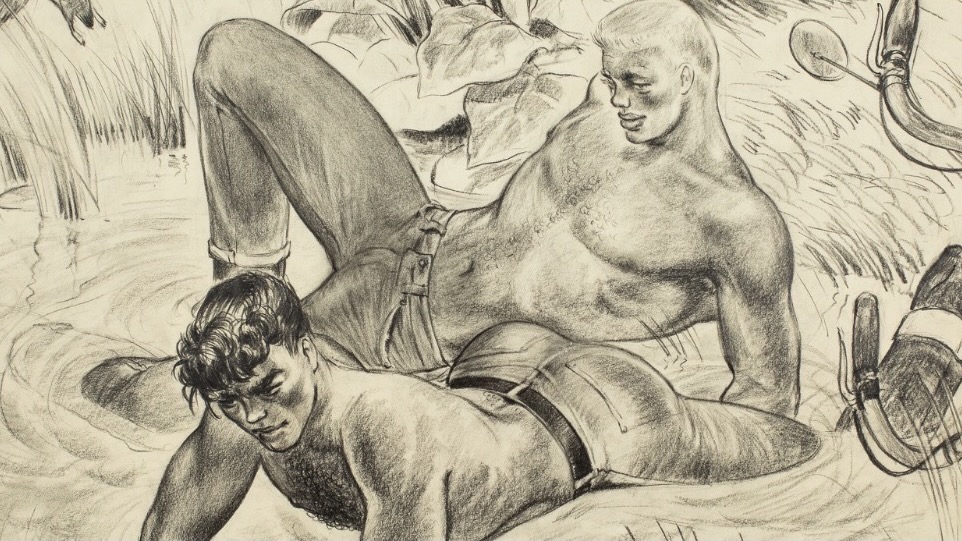
JW Anderson is marking Pride this year with a new exhibition celebrating the legacy of Bob Mizer and his influential magazine Physique Pictorial.
Produced between 1951 and 1990, Physique Pictorial was presented as a bodybuilding magazine, created in part to navigate restrictive obscenity laws in the United States. Behind its coded language and athletic framing, it became something far more radical: a celebration of the male body and queer desire at a time when both were heavily policed.
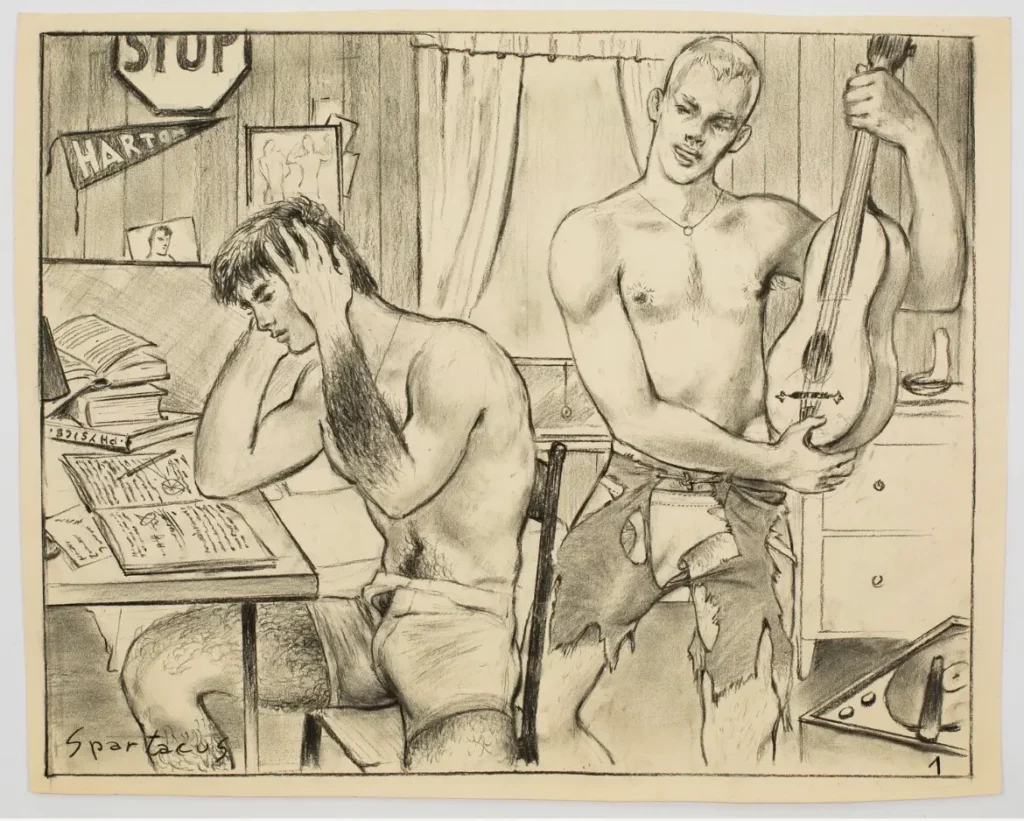
The magazine introduced wider audiences to artists such as Tom of Finland and Bruce of Los Angeles, helping to define an aesthetic that would later influence generations of artists and photographers, from Robert Mapplethorpe to David Hockney.
Central to Mizer’s archive was the circulation of coded imagery and pseudonymous work, including pieces attributed to “Spartacus,” used as a form of contraband expression within a restrictive cultural landscape. These works, once privately owned by Mizer, now resurface as part of a curated selection.
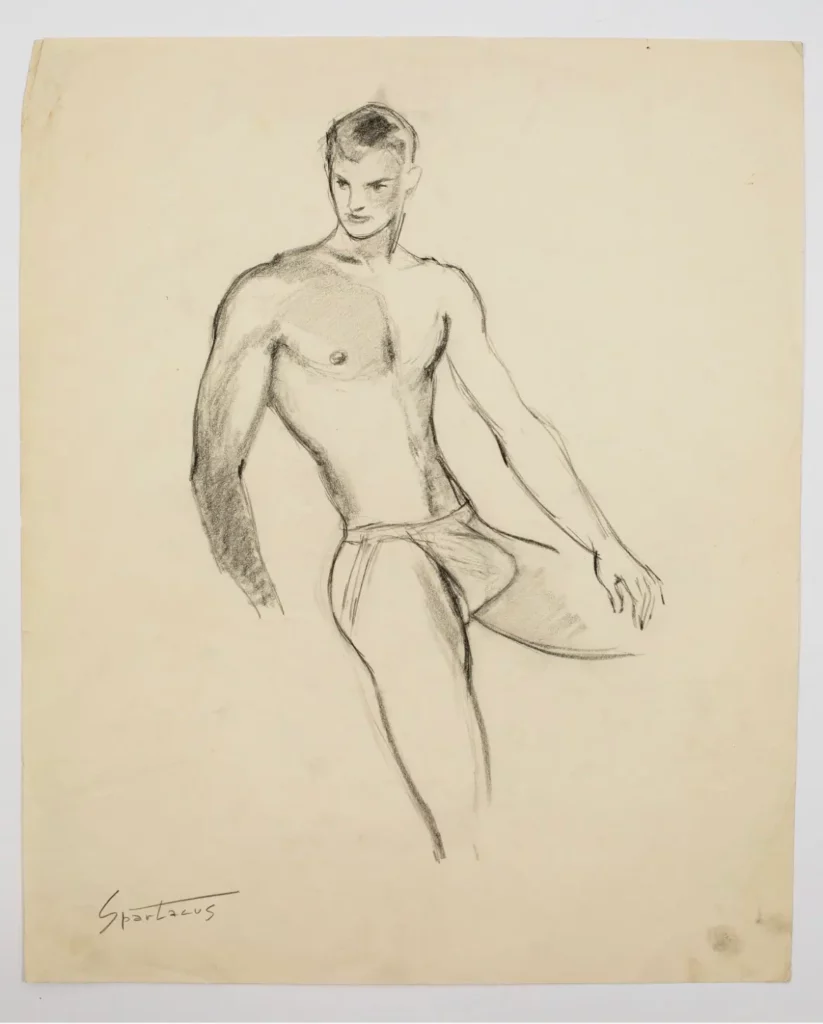
JW Anderson is presenting 40 works from this archive at its Soho store in London, offering a rare public glimpse into material that once circulated underground. The display highlights the tension between commercial bodybuilding imagery and subversive queer storytelling, underscoring how visual culture evolved under constraint.
The brand has previously collaborated with the Tom of Finland Foundation, continuing a long-standing engagement with queer artistic histories. Across fashion collections and cultural projects, JW Anderson has consistently drawn on queer archives as sources of inspiration rather than reference.
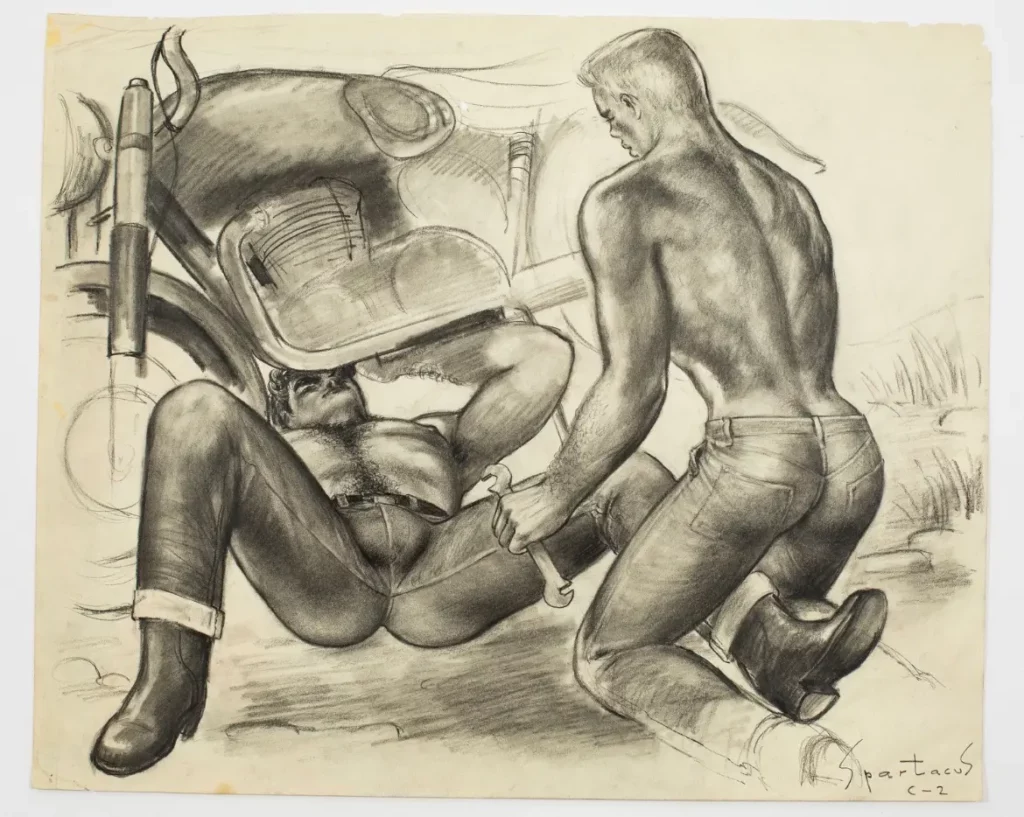
Running as part of Pride programming, the Soho installation reframes Physique Pictorial not only as a historical artefact, but as a living visual language that continues to shape contemporary ideas of the body, identity, and desire.
“Sparticus” is open to the public at JW Anderson Soho until 6 July.