
Sexually transmitted Shigella is becoming harder to treat, researchers warn
New research from the University of Cambridge suggests infections passed on through sex are increasing more quickly than other forms
By Callum Wells
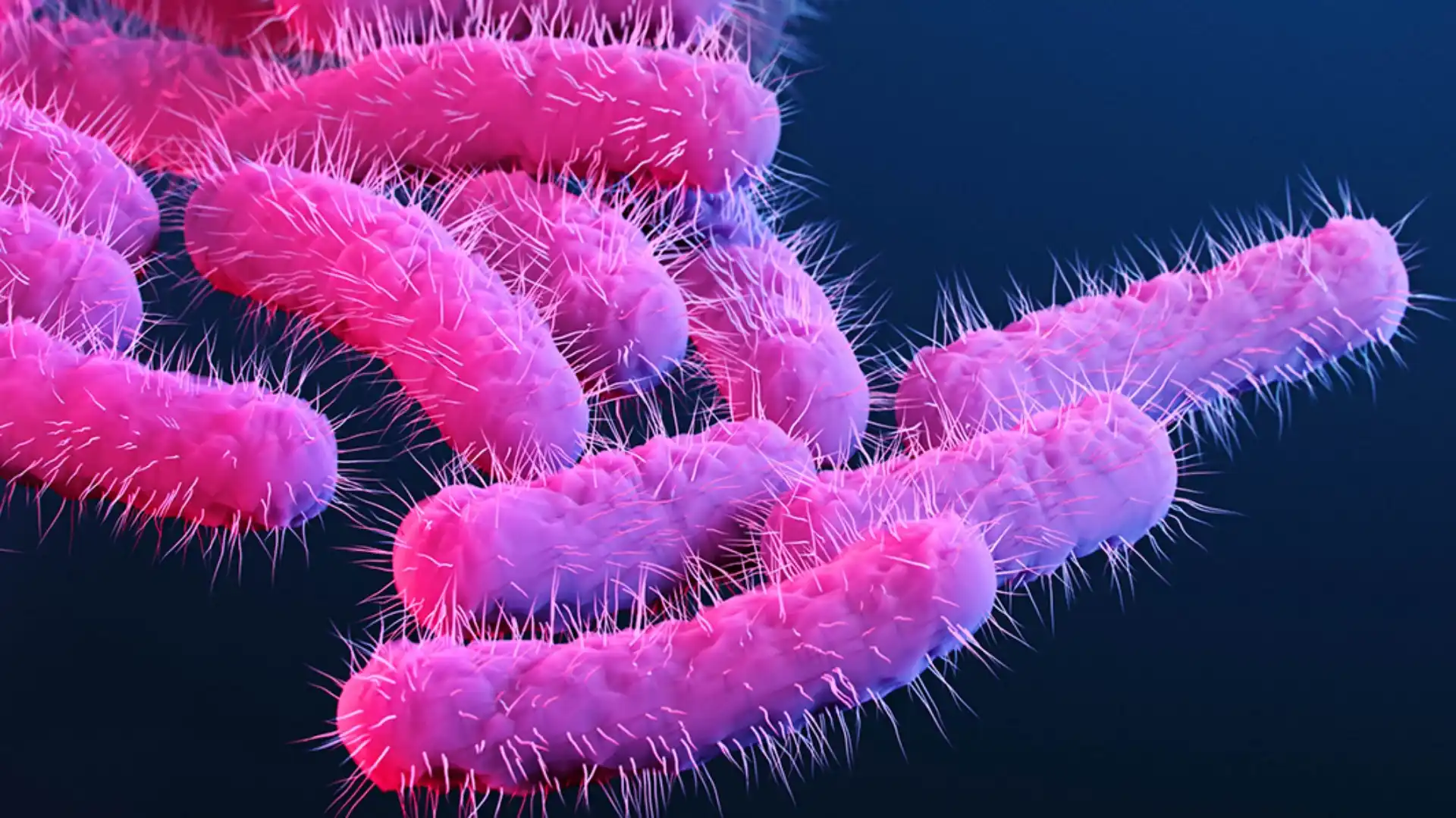
Sexually transmitted Shigella is becoming more resistant to antibiotics, prompting fresh warnings for gay and bisexual men.
New research from the University of Cambridge suggests infections passed on through sex are increasing more quickly than other forms of the bacterial illness, while also becoming harder to treat with commonly used antibiotics.
What is Shigella?
Shigella is a bacterial infection that can cause diarrhoea, stomach cramps, fever and vomiting. In some cases, it can lead to bloody diarrhoea and require hospital treatment. Although it has traditionally been associated with contaminated food, poor sanitation and overseas travel, researchers say sexual transmission is now an established route of infection in some communities of gay, bisexual and other men who have sex with men (GBMSM).
Published in The Lancet Infectious Diseases, the research analysed Shigella samples collected in England over a 16-year period using genomic sequencing. The technique allowed scientists to track how different strains spread and changed over time.
Between 2015 and 2020, sexually transmitted Shigella increased 15 per cent faster each year than strains linked to other routes of infection, including travel and contaminated food.
The research also showed sexually transmitted strains spread much more widely. Over a two-and-a-half-year period, related cases were detected an average of 117 kilometres apart, compared with 46 kilometres for non-sexually transmitted strains.
2,560 cases of Shigella were recorded in the UK last year
Researchers also identified a growing problem with antimicrobial resistance. By the end of the study period, more than 70 per cent of sexually transmitted Shigella strains were resistant to at least one antibiotic used to treat the infection. That compared with 49 per cent of travel-related strains and 40 per cent of non-sexually transmitted infections.
It comes as the UK Health Security Agency (UKHSA) recorded 2,560 cases of Shigella last year that may have been linked to sexual contact.
Researchers say the results expose a gap in current public health messaging. Existing advice focuses largely on handwashing and food hygiene, despite sexual transmission accounting for a growing share of infections among GBMSM.
Where are the main transmission networks in the UK?
The study also identified transmission networks in London, Brighton and Manchester, highlighting how the infection has become established within some sexual networks of GBMSM.
While not all strains of Shigella are sexually transmitted, the researchers say recognising sexual transmission as a distinct public health issue will be important to slowing its spread and tackling rising antibiotic resistance.