
Trinidad and Tobago’s law criminalising gay sex overturned by Privy Council
The decision follows a legal challenge by former Attitude Pride Award winner Jason Jones
By Callum Wells
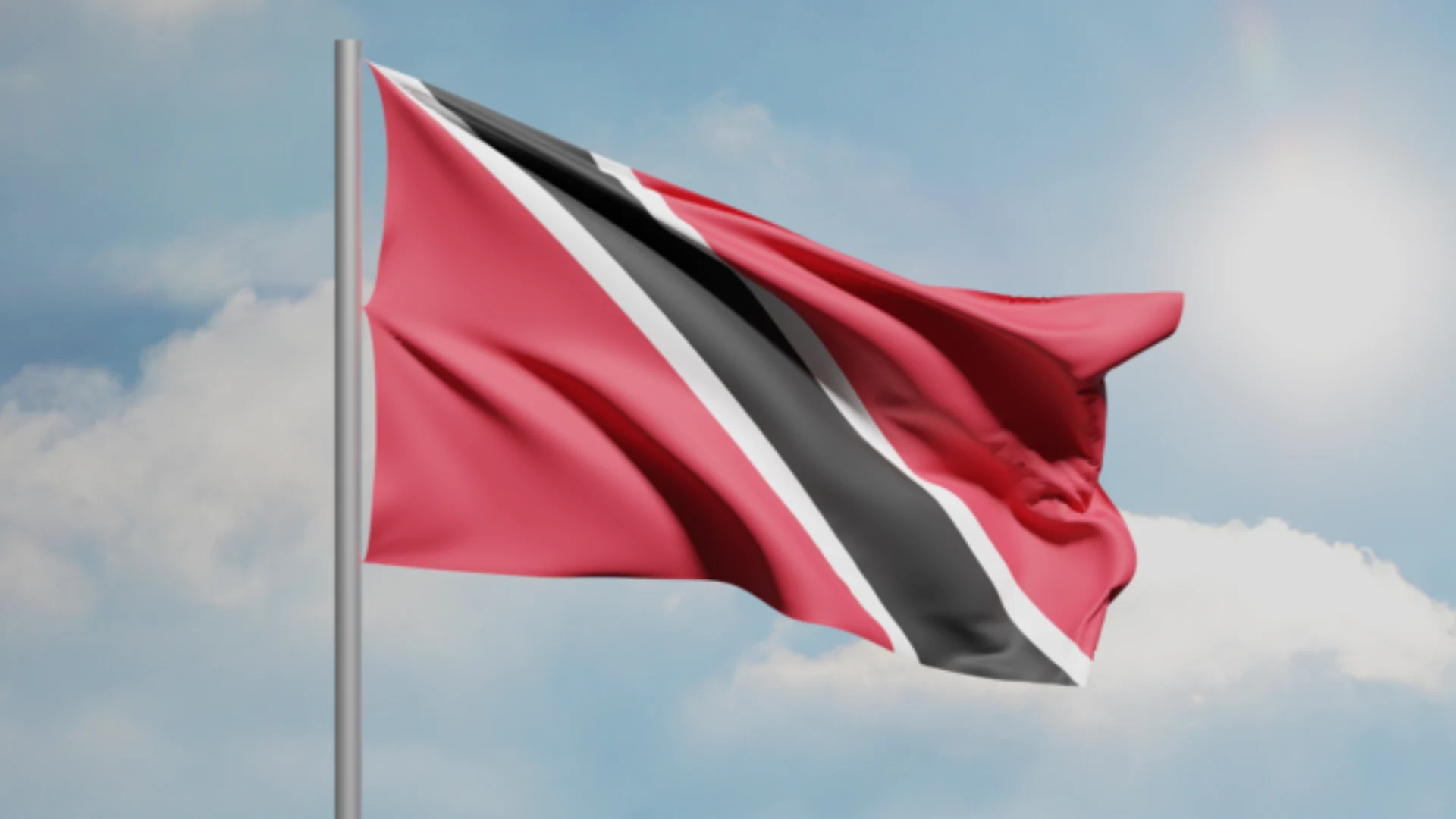
Trinidad and Tobago’s ban on consensual sex between men has been overturned by the Privy Council.
The decision follows a legal challenge by Jason Jones, who argued that the country’s Sexual Offences Act breached his constitutional rights.
Jones, who was born in Trinidad and Tobago, began proceedings in February 2017. He challenged sections of the legislation that made certain sexual acts between men a criminal offence, arguing that they violated his right to privacy and other fundamental protections under the country’s constitution.
“Laws which seek to criminalise such activities cannot be justified” – judge Philip Sales, delivering the judgment
The case was first heard by Trinidad and Tobago’s High Court in April 2018. It ruled that the provisions were unconstitutional and could no longer be enforced.
However, that decision was overturned in part by the country’s Court of Appeal in March 2025. Jones subsequently sought permission to take his case to the Privy Council in London, which serves as the highest court of appeal for Trinidad and Tobago.
The Privy Council has now ruled in his favour, finding that the legislation could not be reconciled with the constitutional rights of individuals.
Delivering the judgment, judge Philip Sales said: “The current understanding of the fundamental individual right to respect for private and family life is that it protects such a core part of human identity as one’s sexual orientation”.
“Laws which seek to criminalise such activities cannot be justified,” he added.
Jones left Trinidad and Tobago in 1996, citing homophobic violence and discrimination. He has spent almost a decade pursuing legal action against the country’s anti-gay laws.
The case has also been followed by LGBTQ+ campaigners in other Caribbean nations, several of which retain legislation criminalising consensual same-sex relations.
Trinidad and Tobago is an independent republic within the British Commonwealth. Despite its independence, it continues to recognise the Privy Council as its final court of appeal. The government has previously sought to replace the London-based court with the Trinidad-based Caribbean Court of Justice.
Which similar laws have been overturned in other Caribbean countries?
Similar laws have been overturned in several other Caribbean countries. Courts in Barbados, Dominica, St Lucia and Antigua and Barbuda have ruled against legislation criminalising consensual same-sex relations. The Bahamas decriminalised homosexuality in 1991.
The UK government also repealed laws criminalising homosexuality in Anguilla, the British Virgin Islands, the Cayman Islands, Montserrat and the Turks and Caicos Islands in 2001.
Grenada, Jamaica and St Vincent and the Grenadines continue to criminalise consensual same-sex relations between men.
Why was Jones honoured with an Attitude Pride Award in 2018?
Jones was previously honoured with an Attitude Pride Award in 2018 for his work challenging Trinidad and Tobago’s laws criminalising homosexuality. His legal case began in February 2017 and led to the country’s High Court ruling the legislation unconstitutional the following year. That decision was later overturned on appeal, prompting Jones to take the case to the Privy Council.
In its 2018 profile of Jones, Attitude reported that he had received death threats during his campaign and had been forced to go into hiding.
He said, “I had 12 very serious threats and two of them had Arabic script. A friend who works for a private security firm came over, looked at it and said, ‘We need to get you out of here right now.'”