
Attitude Awards partner Polestar unveils new concept car, Formula 2030
The concept offers a glimpse of what is to come for the brand, with elements of its design set to feature in the upcoming Polestar 2 and Polestar 7
By Aaron Sugg
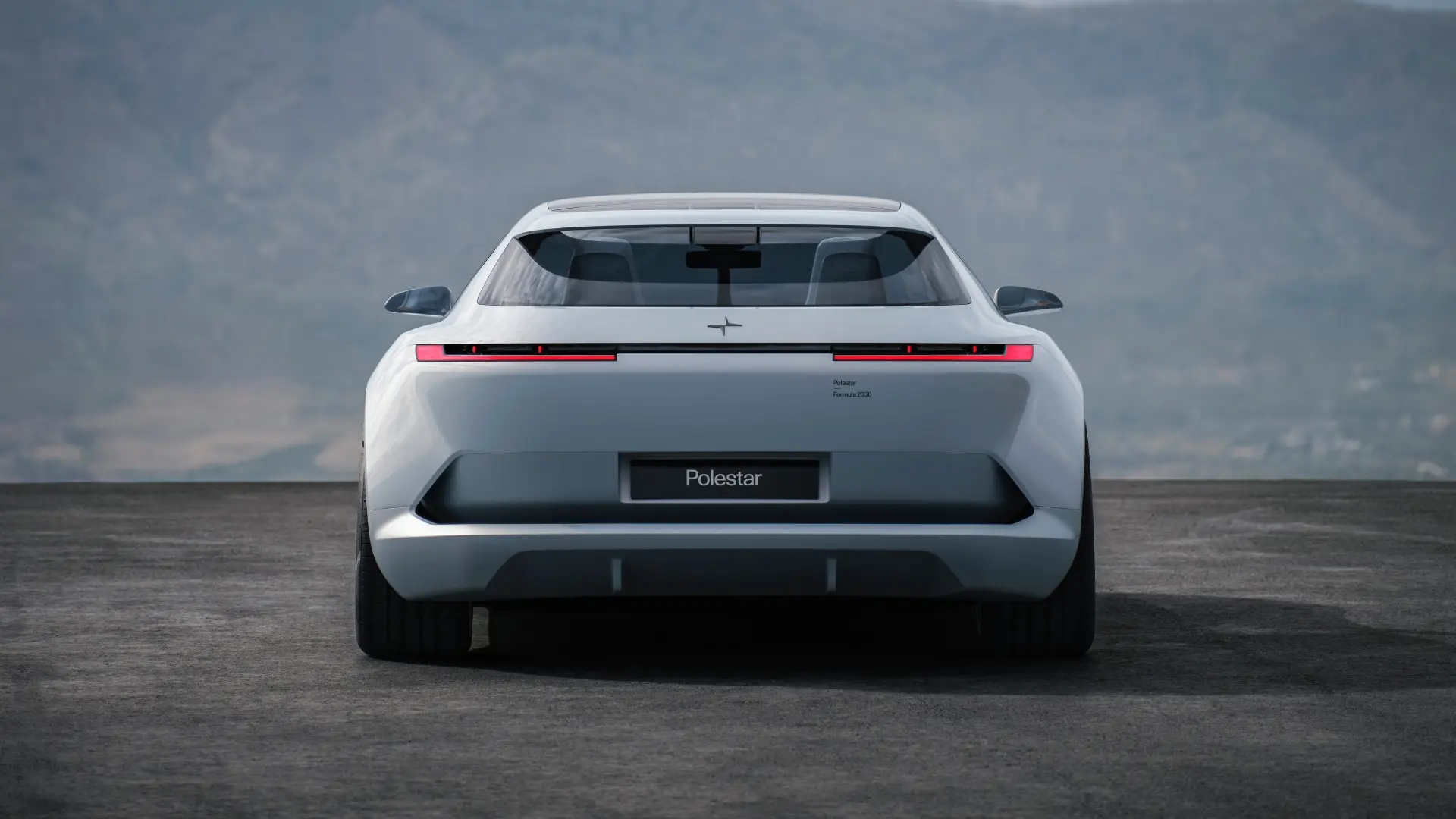
Polestar, the official car partner of the Virgin Atlantic Attitude Awards 2026, in partnership with M&S and electrified by Polestar, has revealed its new Formula 2030 concept car, debuting a new era for car design.
Designed under the leadership of head of design Philipp Römers, the Formula 2030 concept offers a glimpse into the future of the Swedish electric car brand, with elements of its design set to feature in the upcoming Polestar 2 and Polestar 7.
Römers said the new concept car reflects the brand’s core values: “It is a physical embodiment of how we apply Polestar’s core values of design, performance and sustainability to the next production cars. A bold evolution of our already well-established design DNA to strengthen the brand’s positioning with performance at its heart.”
The Formula 2030 concept strips away the unnecessary, improves what remains and refuses to compromise.
Formula 2030 concept exterior
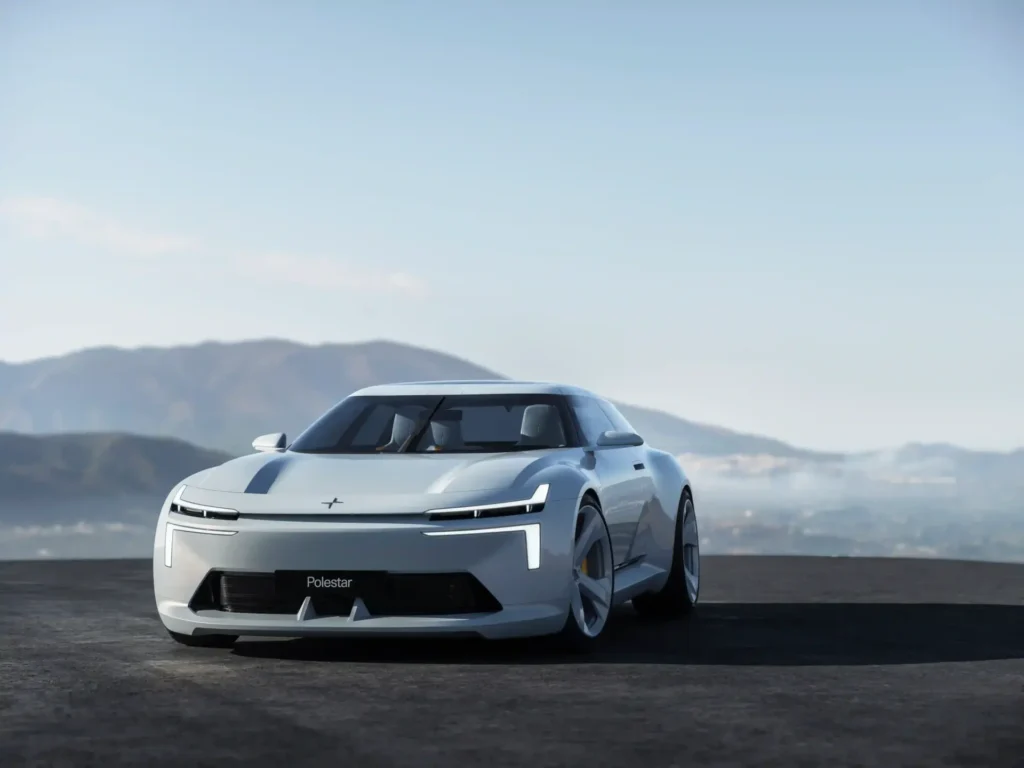
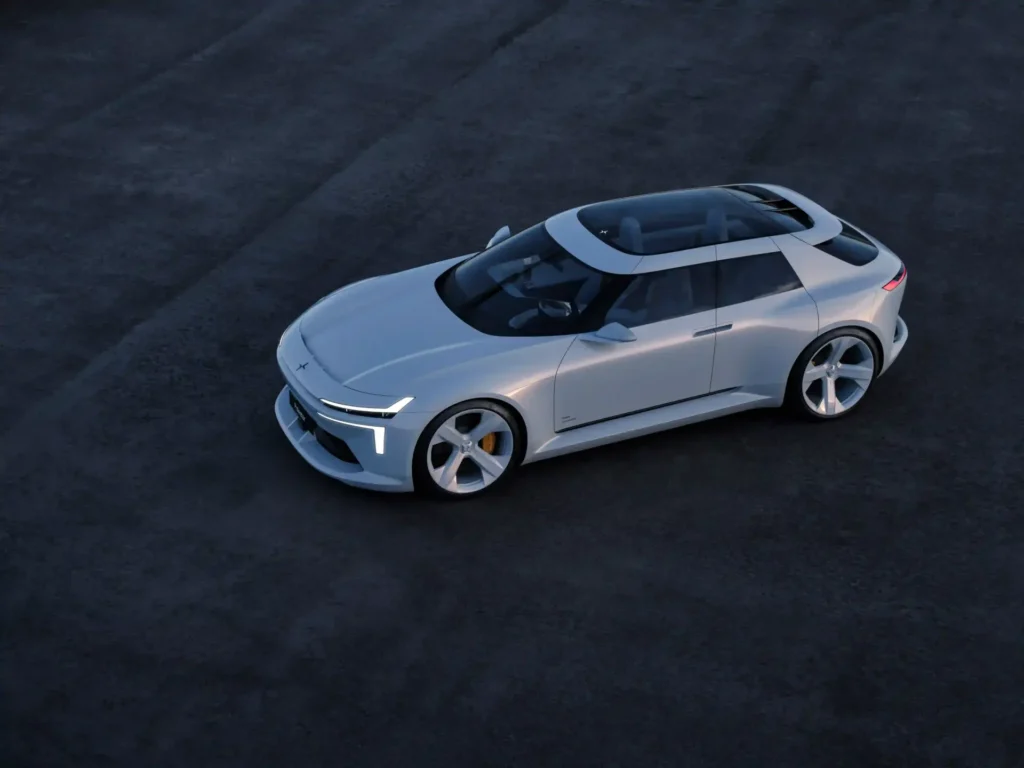
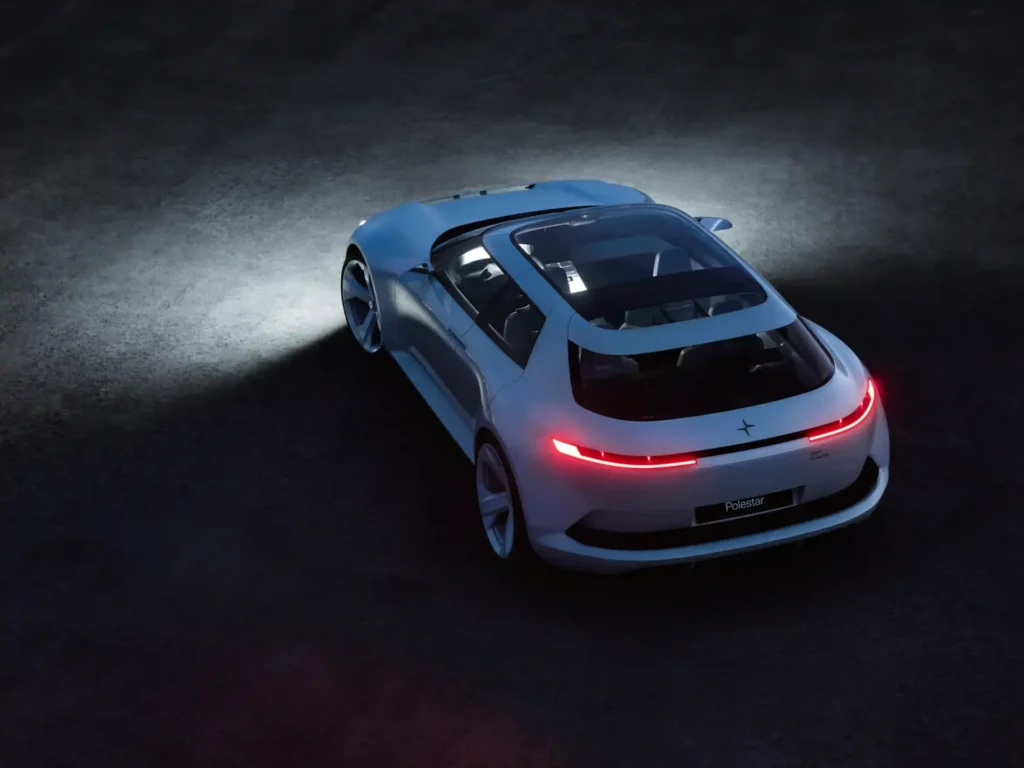
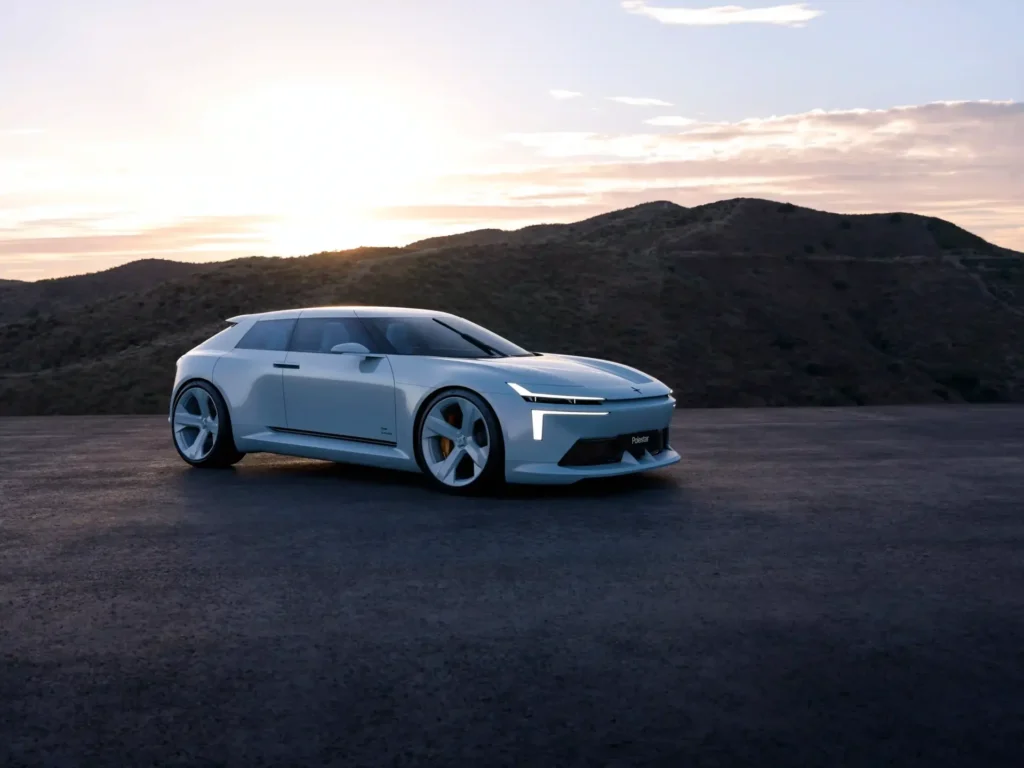
The car takes the form of a low-slung, compact four-door sports car, measuring 4,680mm in length. Its exterior features powerful rear haunches, a long bonnet, short overhangs and striking 22-inch wheels.
Distinctive details include Polestar’s signature Dual Blade headlights, as seen on the forthcoming Polestar 2 design, and new Single Blade rear lights.
The exterior introduces a new concept-exclusive Nitrogen colour, available in gloss, matt and satin finishes, complemented by Swedish Gold detailing – Polestar’s signature Performance colour – across the brake callipers, seat belts and interior.
Inside the Formula 2030 concept
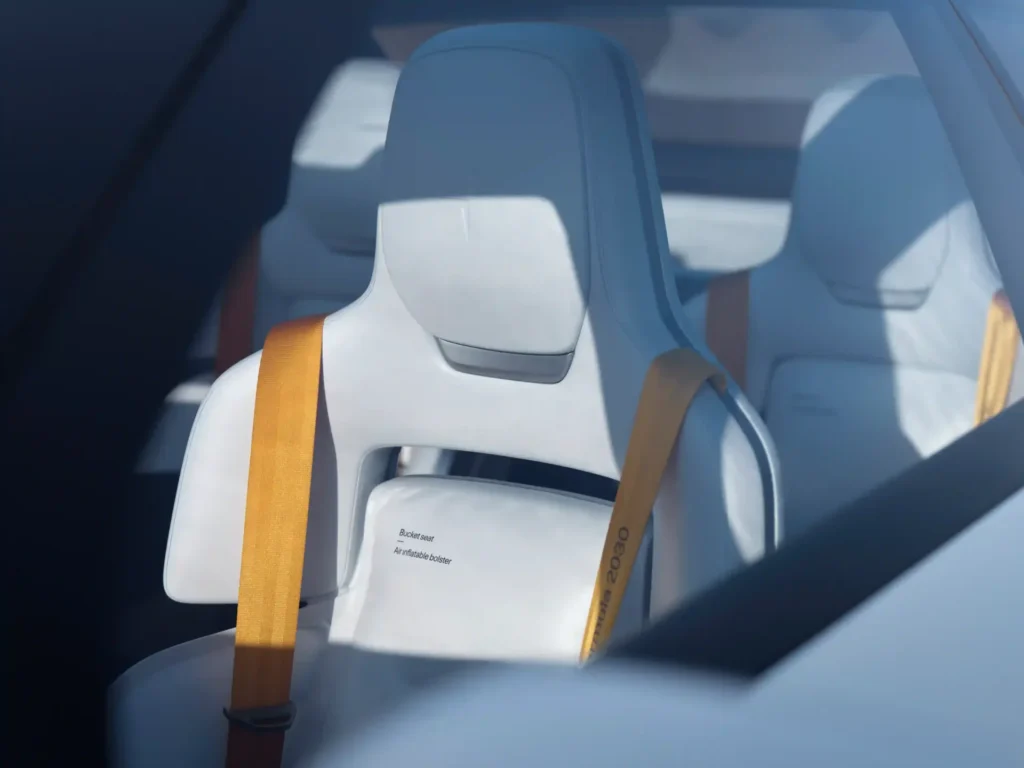
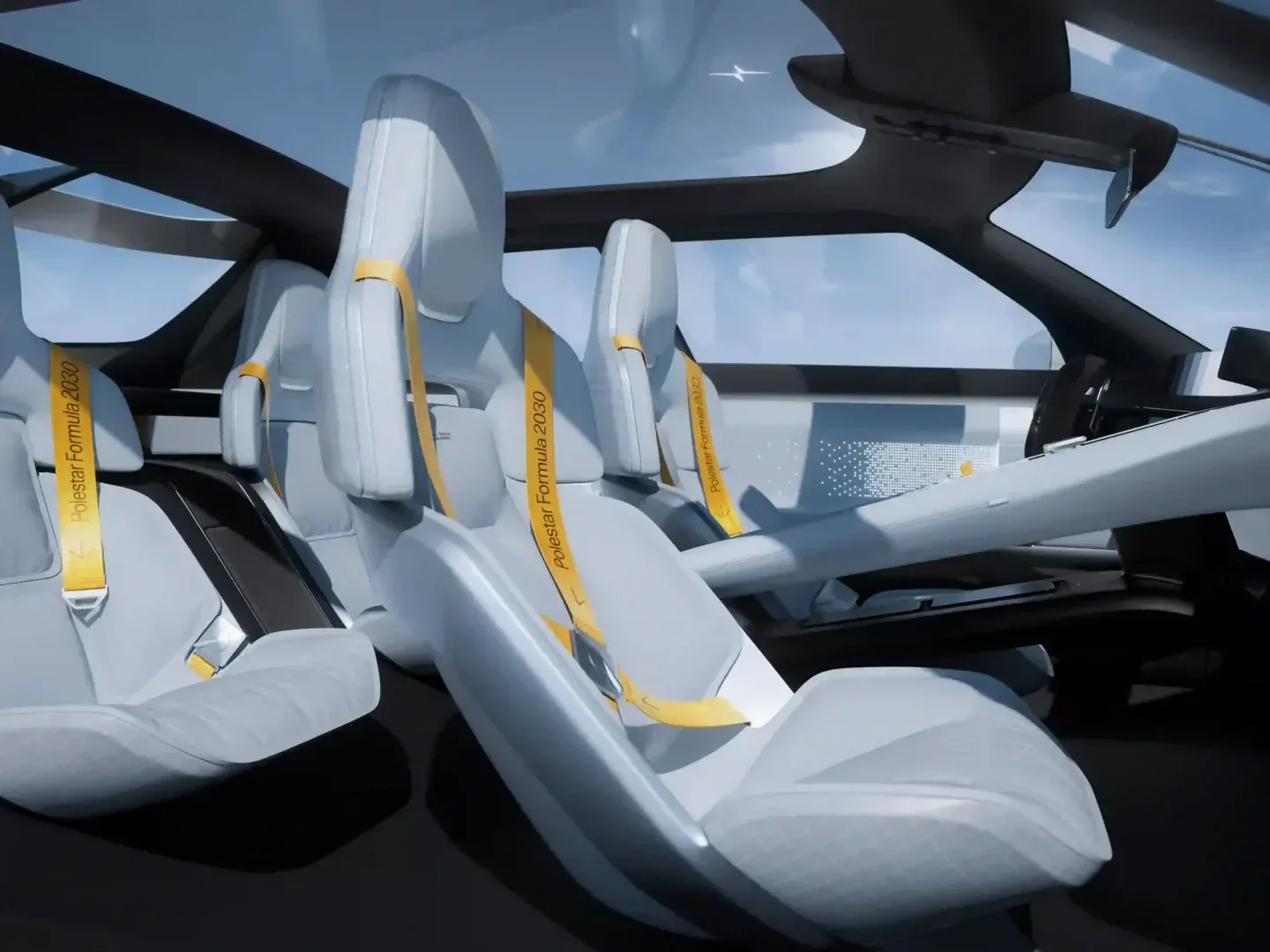
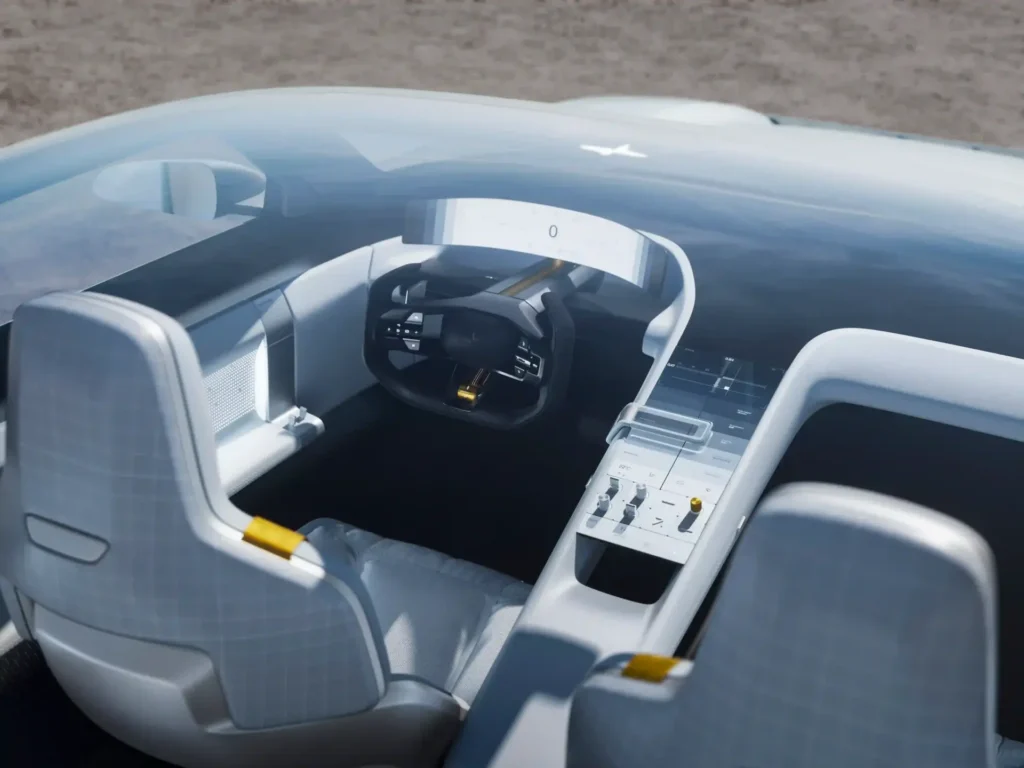
The interior features a performance-focused cockpit, complete with a 20-inch curved Driver Information Monitor and a 12.2-inch central display.
Four individual seats feature inflatable supports designed to adapt to each passenger, while three driving modes – Performance, Normal and Autonomous – allow the cabin to adjust their seats depending on how the car is being used.
In a welcome first for Polestar, the brand is rethinking the balance between physical and digital controls, introducing eight customisable physical controls that allow drivers to access frequently used functions more intuitively.
Embracing advances in artificial intelligence, the concept also integrates Google Gemini with Google built-in.
Sustainability and future design
Staying true to Polestar’s commitment to sustainability, the Formula 2030 concept showcases innovative materials designed with recyclability and reduced emissions in mind.
Its targets include halving greenhouse gas emissions per vehicle sold by 2030 and becoming climate-neutral across its value chain by 2040.
Overall, the concept offers a glimpse of what is to come for the brand, with elements of its design set to feature in future production models.
The next-generation Polestar 2 is planned for 2027, followed by the Polestar 7 SUV in 2028, which will incorporate design elements from the Formula 2030 concept.