
High Court rules trans women can use women’s toilets – but workplace rules differ
The decision was handed down today (13 February) as part of a High Court judgment examining the EHRC’s draft code of practice
By Callum Wells
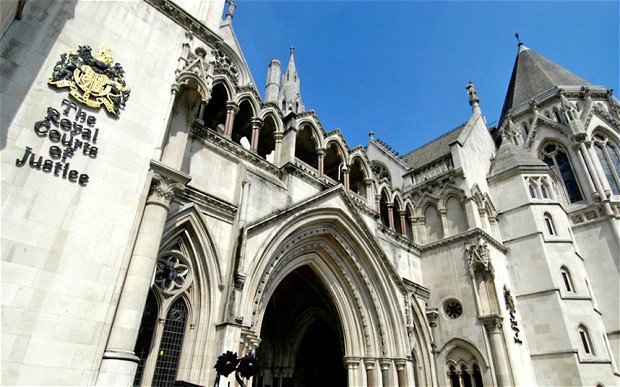
The High Court has ruled that transgender women may lawfully be allowed to use women’s facilities provided by public services, while suggesting different rules apply in workplace settings.
The decision was handed down today (13 February) as part of a High Court judgment examining the Equality and Human Rights Commission’s (EHRC’s) draft code of practice.
Judges said service providers such as shops, gyms and venues are not required by equality law to exclude trans people from toilets or changing rooms that align with their gender. The court rejected claims that existing legislation imposes a blanket ban.
The ruling states that single-sex facilities in workplaces must operate on the basis of biological sex
The ruling drew a distinction between public-facing services and employment settings. In workplaces, the court interpreted single-sex facilities as operating on the basis of biological sex under existing Equality Act provisions, while noting that employers may choose to provide single-occupancy or gender-neutral alternatives.
The legal challenge was brought by Good Law Project. The group disputed the EHRC’s interpretation of the Equality Act 2010 following the Supreme Court ruling in FWS v Scottish Ministers, which clarified that the terms “sex” and “woman” in the Act refer to biological sex for the purposes of the legislation. After that judgment, the EHRC issued interim guidance while preparing an updated statutory code of practice.
“It is humiliating. It is harmful. In practice, it means treating trans people as a third sex” – Good Law Project
In its judgment, the High Court said the regulator’s interim guidance had been widely interpreted as introducing a bathroom ban, but found that equality law does not require service providers to exclude trans people from gendered facilities.
“It is humiliating. It is harmful. In practice, it means treating trans people as a third sex,” Good Law Project said in response to the outcome, arguing that the approach risks breaching human rights protections.
The case comes after months of legal debate about access to single-sex spaces. The Supreme Court ruling did not directly address toilets or changing rooms, but prompted new guidance from regulators and organisations across the UK.
The EHRC is expected to continue drafting its revised statutory code of practice, which will be reviewed by ministers before being presented to Parliament.
Get more from Attitude