
Fighting With Pride chair: Pride is about more than celebration – LGBTQ+ veterans have six months left to claim reparations
"The government got it wrong when they fired you. They have apologised. The chiefs of staff have apologised. You are welcome back," Ed Hall writes for Attitude
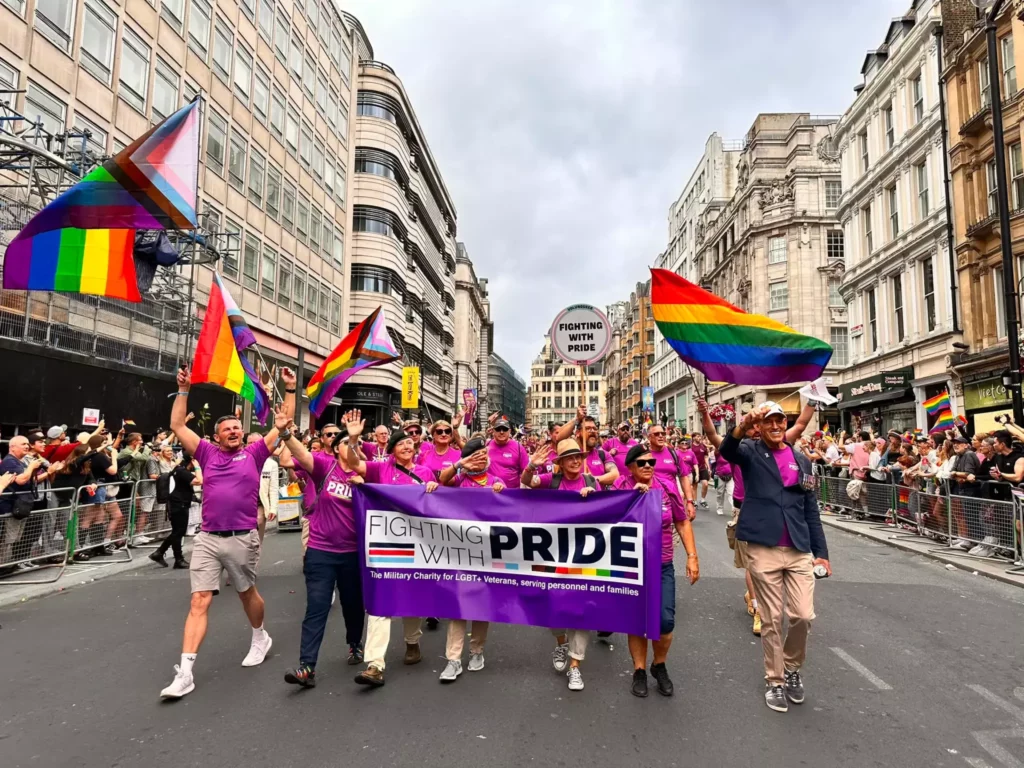
This weekend, as the music echoes across London and the streets fill with a sea of rainbow flags, the atmosphere will be electric with celebration. But amid the joy, we need to talk about a quieter, much darker history. Because for a large cohort of our community, Pride has always been less about a party and more about survival.
It is remarkably easy to sound superficial and glib when discussing historical injustice from a stage. We throw around words like “reparations” and “apologies” as if they are mere administrative checkboxes. But for those of us who survived the UK military’s pre-2000 gay ban, the reality is a raw, agonising confrontation with the past.
To claim what we are owed through the government’s independent reparations scheme, we are being asked to open boxes of memories that we deliberately locked away for decades just to get on with our lives. It’s one thing to celebrate how far we’ve come while standing in the sunshine this weekend; it’s something entirely different to sit down alone and recall the exact moments you contemplated ending your own life because the country you loved turned its back on you.
With only six months left before the reparations deadline slams shut, we are running out of time
Fighting With Pride is the only LGBTQ+ Armed Forces charity and, as chair, I can assure you that all of our team are here to help with applications. We understand the complexity. But, with only six months left before the reparations deadline slams shut, we are running out of time. And my deepest worry this Pride weekend is that the very people who need to hear this message aren’t the ones marching in the streets.
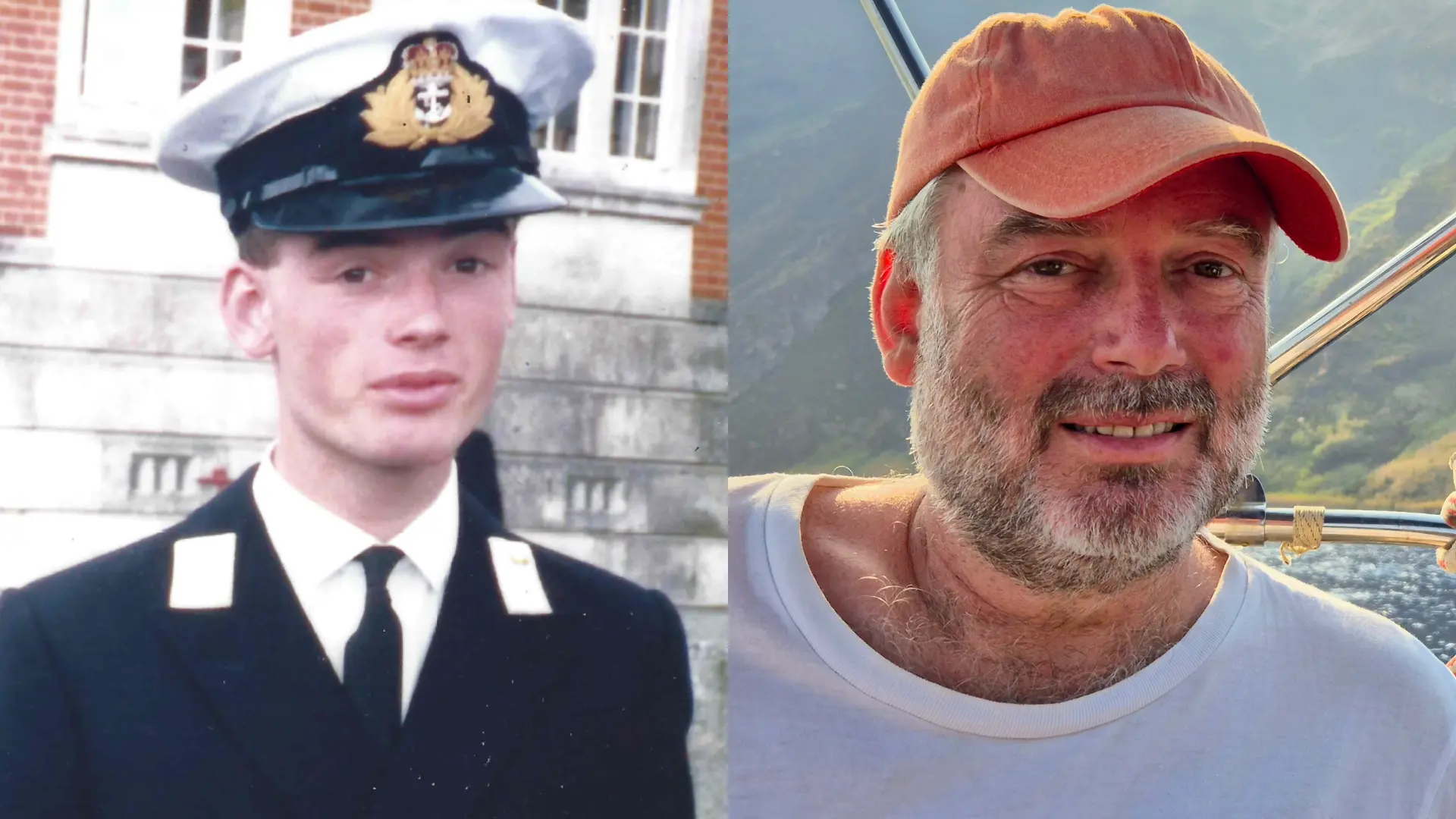
When I was dismissed from the Royal Navy, there was no formal send-off. My service was terminated via a cold letter sent to my mother’s house, stating that my “intended lifestyle was incompatible with military service”.
Before that letter arrived, I was subjected to the terrifying machinery of the Special Investigating Branch (SIB). I was driven to a secluded naval office in London that felt like a Cold War drama, and then sent down to HMS Nelson in Portsmouth. There, without legal advice or welfare support, my “friend” – a straight, middle-aged lieutenant commander assigned to accompany me – sat by while two investigators subjected me to two days of graphically intimate, invasive questions about my sex life, my body, and my friends.
For decades, the state justified this cruelty by claiming gay service members were a blackmail risk. In reality, the only people doing the blackmailing were members of the armed forces themselves, weaponising the ban to trap personnel – particularly women – in abusive, coercive situations.
A rigid two-year window means this vital opportunity is closing
When I was finally dumped onto the streets of London, stripped of my university place and my career, I carried an intense weight of embarrassment and shame. It took me years to realise that the shame belonged entirely to the interrogators, not to me. But back then, I was a vulnerable 22-year-old with nowhere to turn.
For those who do find the courage to step forward, the healing can be staggering. Lord Etherton’s landmark review was designed to be a restorative process, and against all odds, it is working.
Veterans who once felt entirely cast out are receiving formal apologies, getting their berets back, and being presented with the Etherton veteran’s pin. I admit, I was nervous about the pin at first. I wasn’t sure I wanted to wear a badge that reminded me I was sacked for being gay. I was wrong. I feel immensely proud of it. For the first time, historic service charities like the Royal British Legion are genuinely open to us.
Yet, a rigid two-year window means this vital opportunity is closing. Worse still, government bureaucracy is threatening to mar the process. An ongoing judicial review is currently challenging the exclusion of a small cohort of veterans who were forced to resign “almost at gunpoint” but are being denied eligibility because they technically “resigned” on paper. Defending these technicalities will likely cost the taxpayer more than simply doing the right thing and allowing these people to heal.
If you know an older member of our community, talk to them
In the darkest days of the ban, Pride was our literal lifeline. A small group called Rank Outsiders would march, allowing closeted, terrified service members to sidle up in secret just to realise they weren’t alone. The physical presence of Pride built the political campaign that eventually broke the ban.
Today, the battleground has changed. The greatest obstacle to justice isn’t a lack of political will – it is a lack of visibility.
Many of the older generation who went through this horrific policy are now in their 70s, 80s, and 90s. They won’t be coming to Pride this weekend. It’s too hot, too exhausting, and too tiring. They have spent fifty years trying to forget, and they don’t see the news.
My message to every LGBTQ+ veteran is simple: The government got it wrong when they fired you. They have apologised. The chiefs of staff have apologised. You are welcome back.
So, as we celebrate this weekend, I have one ask of our community. If you know an older member of our community, talk to them. Ask them about their younger selves. You might not know that the quiet man down the road or the friend you’ve known for years was marched off a base in disgrace in 1973. We have six months left to find them, to help them fill out the forms, and to ensure they finally receive the dignity, respect, and reparations they earned.
Enjoy the weekend, wave the flags, but remember: true pride means leaving no one behind.
Ed Hall is an entrepreneur and LGBTQ+ activist. Dismissed from the Royal Navy for being gay, he launched the legal battle that overturned the UK military ban in 1999. Today, he serves as Chair of the veteran charity Fighting With Pride.
For help applying for reparations, contact Fighting With Pride.