
EHRC guidance excluding trans people from single sex spaces arrives next month
The code of practice says service providers will be permitted to exclude transgender people from single-sex spaces
By Aaron Sugg
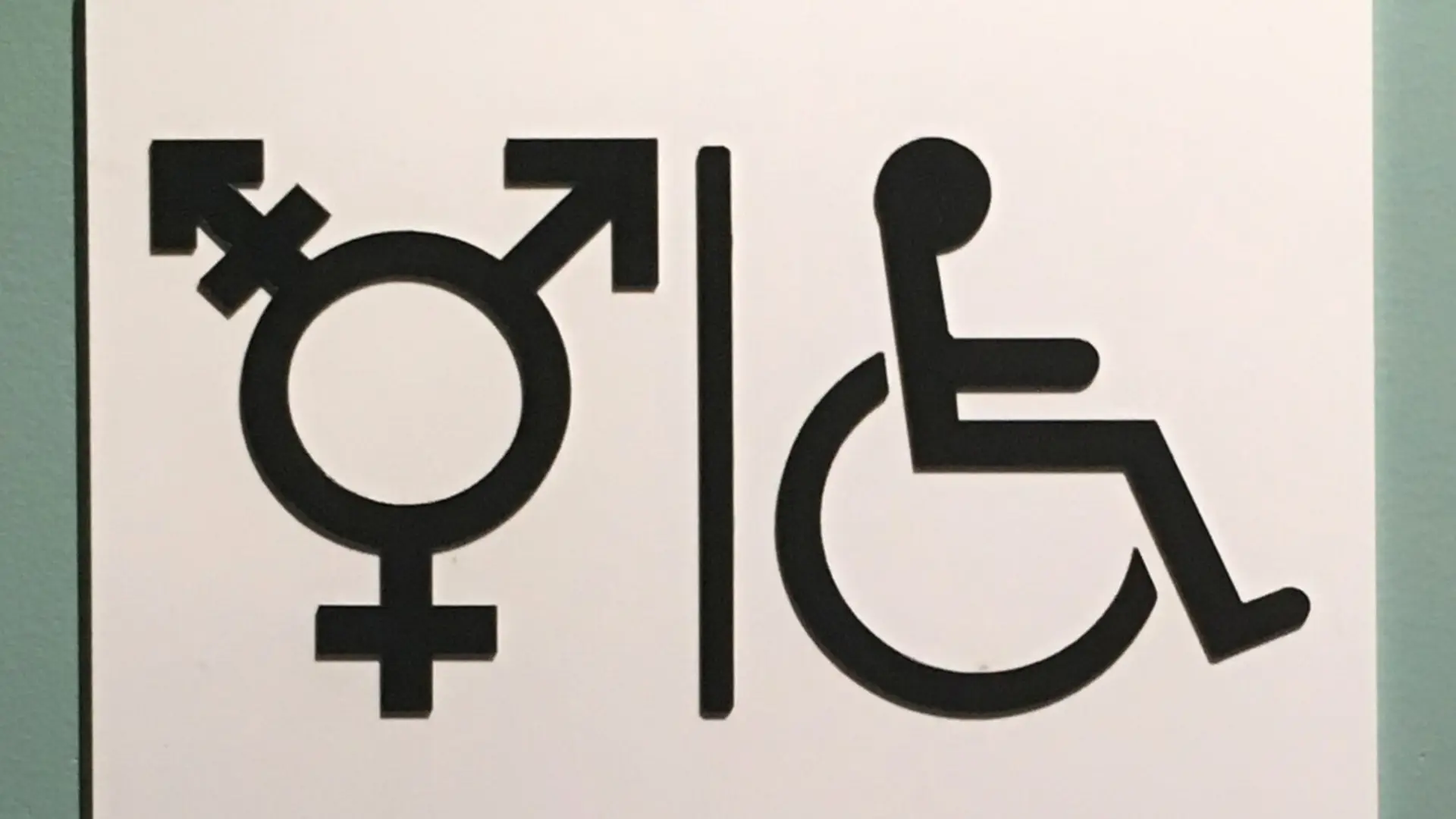
The Equality and Human Rights Commission’s (EHRC) single-sex spaces guidance will officially come into force on 5 August 2026, restricting trans people from using facilities that align with their gender identity.
More than 13,000 toilets, 5,000 changing rooms and 18,000 signs will be affected by the controversial guidance, which requires widespread changes across public spaces.
The proposed policy applies across England, Scotland and Wales and follows the April 2025 UK Supreme Court ruling, which determined that the legal definition of “woman” under the Equality Act refers to biological sex, leaving trans women facing uncertainty over access to certain spaces.
The single-sex spaces guidance is not law
The EHRC carried out several consultations and revisions before producing the final guidance, which was formally laid before Parliament on 21 May 2026.
It should be noted that the final code of practice is not law; it is statutory guidance setting out how service providers should apply the ruling in practice.
The guidance states that a service must operate on the basis of biological sex in order to be legally classed as a single-sex service under the Equality Act.
The Equality and Human Rights Commission allows providers to exclude transgender people from single-sex spaces
The code of practice says service providers will be permitted to exclude transgender people from single-sex spaces. If they allow trans women into a women-only space, the space will no longer legally be considered women-only.
As a result, the guidance says organisations should consider alternative options for trans people, including providing a separate “third space” or gender-neutral facilities. Campaigners have argued that this risks treating trans people as a “third gender”.
Where separate-sex spaces exemptions are in place (such as separate-sex toilets), the guidance states that trans people should use facilities aligned with their sex as recorded at birth.
Who will the EHRC guidance affect?
The changes could affect gyms, hospitals, leisure centres, restaurants, hairdressers, council services and sports clubs.
As Sky News reports, the changes could cost more than £20 million for additional cleaning by public-sector bodies, with around £14 million per year estimated for building work, although both figures may be conservative.
Trans organisations and campaigners have raised serious concerns about what this means for the future of trans rights in the UK.
TransActual said: “The newly published EHRC Code of Practice leaves trans people in the UK today with fewer rights than they had prior to last year’s Supreme Court ruling.” They added that it has not only failed to protect trans rights and “dignity”, but appears “to have weakened protections for the LGBTQ+ community as a whole.”