
10 trans male and non-binary voices whose stories might be just like yours this Transgender Awareness Week
"Representation has never been more important than it is right now," Demitri Rodriguez
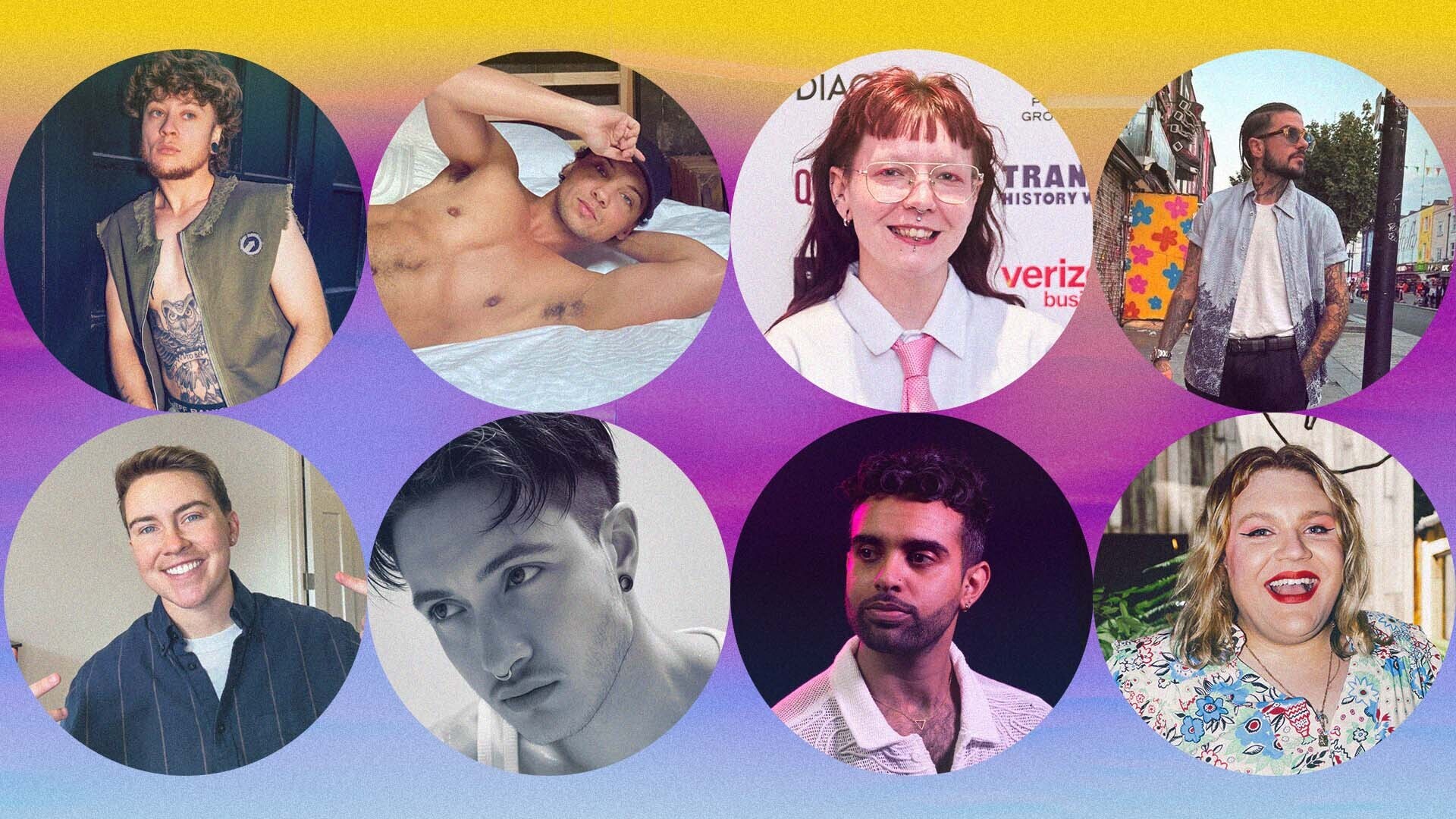
With the guidance of activist and survivor of conversion therapy, Demitri Rodriguez, Attitude marks Transgender Awareness Week by spotlighting 10 trans male and non-binary people whose stories carry the nuance, the non-linearity, and real diversity that exists within the community but isn’t often showcased.
Transgender Awareness Week is a worldwide celebration running from 13 to 19 November each year to raise awareness about transgender people and the issues they face. Companies, individuals and charities host events, campaign and advocate for the trans community, to promote visibility.
We hope through platforming that somebody might see themselves represented online for the very first time, find a mentor, or simply comfort.
Demitri Lucifer Rodriguez, he/him
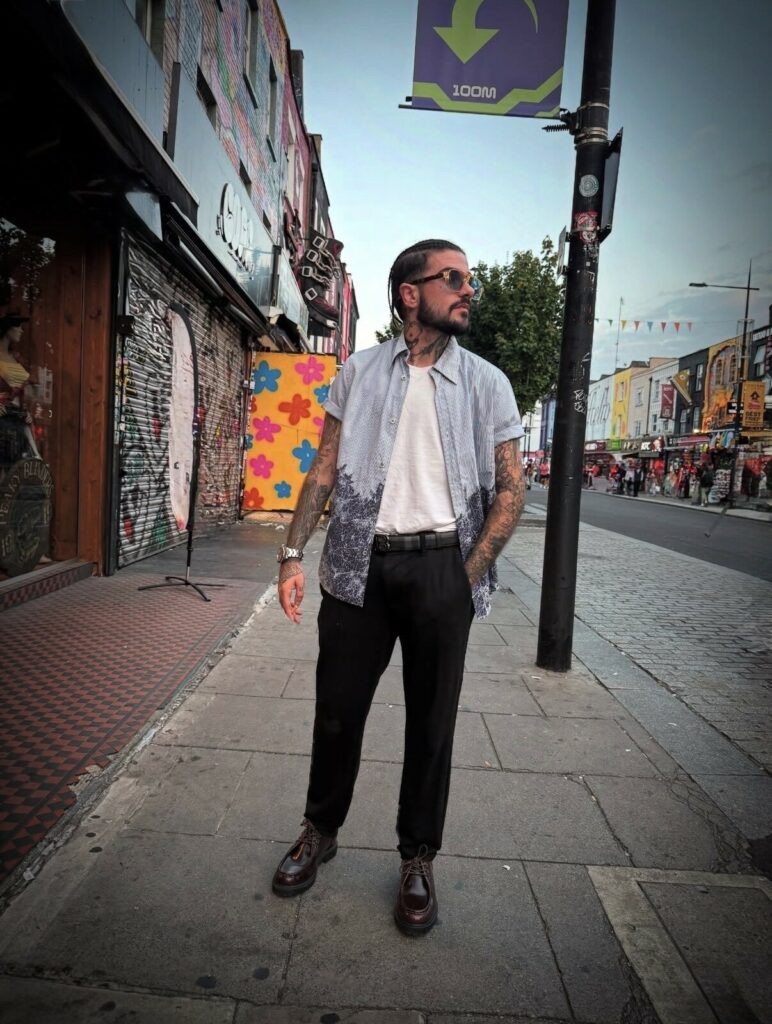
Representation has never been more important than it is right now – not the filtered, polished kind, but the real, messy, lived-in truth that reflects the full spectrum of who we are. Too often, we see the same faces, the same narratives, the same version of ‘trans’ that’s been deemed acceptable for mainstream comfort. When Attitude and I began speaking about this project, we both agreed that this couldn’t just be another story that ticked the diversity box. It had to be something deeper, something that finally made space for the voices that rarely make it to the table.
Because representation isn’t just about visibility, it’s about connection. When people see themselves reflected, they see possibility. They see proof that their existence matters. And for many, this might be the first time they’ve ever seen stories like mine and like those of our contributors represented in mainstream media. That’s what this project is about: visibility that connects. Representation that heals. Truth that cuts through the noise and reminds people that they are not alone.
My story is one of many, and it’s far from perfect. I grew up without an accepting family, and I survived conversion therapy that tried to strip away who I was. For a long time, I believed what I’d been told: that no one would ever love or accept me because I’m trans. Love came with boundaries, not safety. And where I’m from, there wasn’t a community waiting to catch me. I didn’t grow up surrounded by queer and trans friends in a liberal city – I had to build it myself from scratch, carving out space where none existed.
Even now, activism can feel lonely. Sometimes I’m met with silence from the very community I fight for. Maybe I ‘pass too well’, or maybe people don’t know how to handle a man like me – someone loud with passion, layered with trauma, but overflowing with love. I’m not perfect, but I care deeply. I’ve carried the weight of being misunderstood and turned that pain into purpose.
Recently, I met someone who changed how I see love. After years of believing that no one could love me for who I truly am, I realised that being trans was never the reason I was unlovable. They saw me beyond the confident lad on social media who always knows what to say; they saw the man underneath, the one who still doubts himself but just wants to make sure no one ever feels excluded or silenced again. And for the first time, I wasn’t scared. I realised that my biggest fear wasn’t spiders – it was letting someone love all of me.
Being trans isn’t easy. Some of us carry trauma that runs deep, sometimes even from within our own community. But I live by one truth: death before detransition. My story isn’t perfect, but it’s honest. And that honesty is what this project is built on. Because this isn’t just about me, it’s about all of us.
These ten incredible contributors represent the heart of that truth: trans men and non-binary people who live courageously, love loudly, and exist unapologetically. For some, this will be the first time their stories have ever been seen on a platform like this, and that’s exactly why it matters. Because every story deserves space, and every voice deserves to be heard.
Jack Latham, he/him
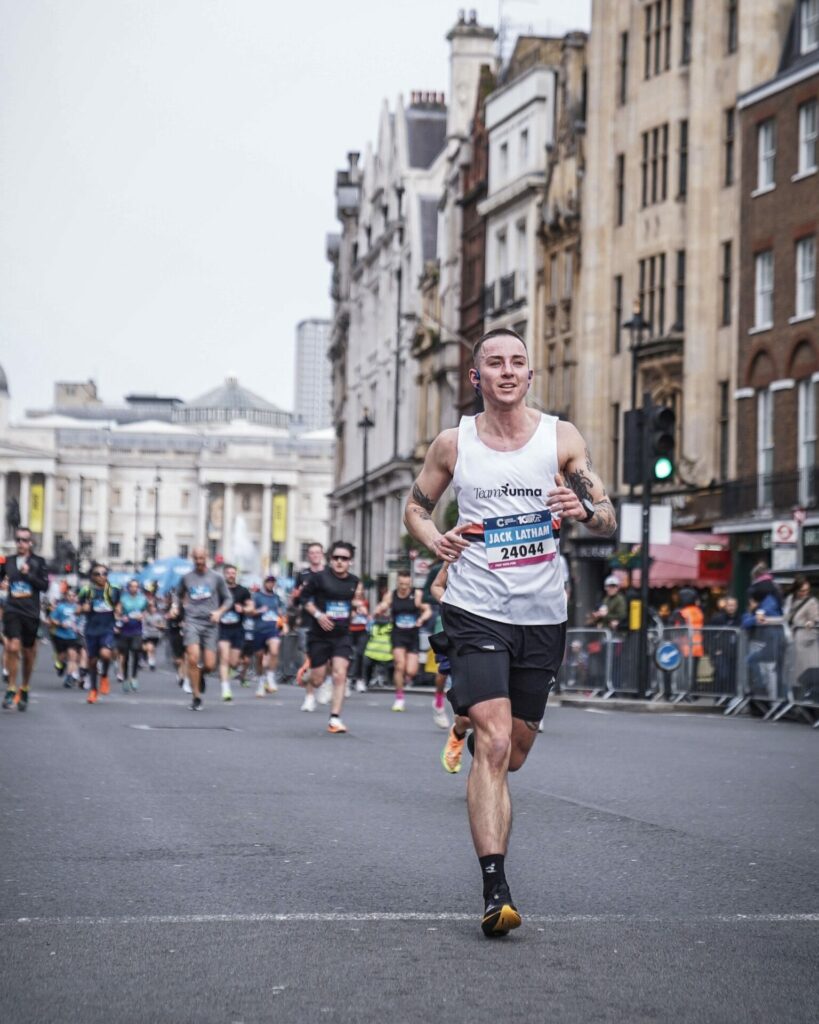
I’m Jack, a trans man, runner, and fitness instructor, specialising in cardiac rehabilitation. I spend my days training a mix of clients, from people looking to get stronger and fitter to those referred by their GP for cardiac conditions, stroke rehabilitation, mental health challenges, or post-surgery recovery. Seeing someone go from just getting through the day to actually enjoying movement is what keeps me coming back.
Running has been my way of enjoying movement. I started on the roads and ran my first marathon just before top surgery. Since then, I have found a new home on the trails. I came second in my first trail ultra race and finished in the top ten per cent of my next three. Trail running taught me that you can chase results and still enjoy every step, every hill, every breathtaking view.
Being visible as a trans man in fitness and sport matters. There are not many of us represented in these spaces, but we are here, racing, coaching, and building communities. Trans men can succeed in sport, not because we have something to prove, but because we belong here as much as anyone else.
For me, running isn’t just a sport. It’s confidence, balance, freedom, proof of what’s possible when you live authentically. I hope my story shows that fitness isn’t about fitting in; it’s about finding your place. And everyone deserves to find theirs.
Fox Fisher, he/they

Growing up under the shadow of Section 28, I didn’t see people like me reflected anywhere – I had no understanding, no language, just a deep sense that I didn’t fit in the boxes that I was put in.
I’m mixed race, like Zelah Glasson from Big Brother, and a bisexual, demi-sexual, queer, non-binary, trans-masculine person. That’s a mouthful, but identities can be layered and joyful and messy like that. It took time and tenderness to understand myself. My younger self would be amazed I get to say this out loud now.
For me, it’s been a process of elimination, by working out what wasn’t. Transition was a do-or-die situation, and the process has felt like slowly coming home to myself. It hasn’t been easy – five gender-affirming surgeries, over a decade of navigating systems, with compromises and patience being the key. It’s a relief to feel more settled in my body, but it’s painful watching the world turn a harsher gaze towards trans lives.
Since coming out on national television on C4’s My Trans Summer, I’ve dedicated myself to telling trans stories as truthfully and creatively as I can – through films with My Genderation, through art, books, campaigns, and community projects. I’m not a spokesperson, but I believe in the power of visibility.
Only you know who you are, and being you is your greatest gift to this world. The most radical thing we can do is exist loudly and lovingly, with our feet on the ground and our eyes on each other. I don’t want anyone to feel as lost as I once did. Together we’re building a more joyful community, one story, one connection, one tiny moment of recognition at a time.
Before I came out as trans, I just couldn’t imagine myself growing older, whereas now I see ageing as a massive privilege. If someone reads this and feels a connection, then that’s amazing. We all deserve kindness, safety, and joy.
A Pariera, he/they

My path isn’t linear, and I wouldn’t want it to be. I’ve lived through transition, detransition, and retransition. Each chapter continues to reveal something deeper about human conditioning, truth, embodiment, and what it really means to live free.
When I first transitioned, I thought freedom meant becoming, stepping into a version of myself the world could finally recognise. But over time, I realised I had just traded one box for another. I was still performing, still trying to be understood, still chasing acceptance instead of wholeness. So, when I detransitioned, I decided to step away from all of it and take myself deeper inside.
Those seven years of detransition became a soul-searching, truth-questing chapter of my life. I immersed myself in inner work, subconscious reprogramming, and spiritual study to understand who I had always been beneath the conditioning. And seven years later, I came back to this truth within myself because it was never about fixing it. It was always about remembering it. That realisation, that awakening, is what began my retransition.
Now, I experience gender as something fluid, alive, and spiritual, not a label or destination, but an ongoing expression of the soul. I embody masculinity in a grounded, heart-led way that’s free from performance. It’s not about fitting into manhood; it’s about expanding it. And today, I am a non-binary trans philosopher, guide, and mentor who helps people explore the beliefs, stories, and conditioning that shape who they think they have to be so they can come home to who they truly are.
My journey and life’s work is rooted in compassion, consciousness, and truth. It’s not about becoming someone new. It’s about remembering the self that was never lost, just waiting to be seen.
Glossary:
Transition – The process of aligning my external world with my inner truth. It’s not just physical or social, it’s energetic, emotional, and spiritual.
Detransition – For me, it wasn’t about regret or rejection; it was about realizing I had simply traded one box for another. Detransitioning gave me space to step away from performance, to soul-search, decondition, and remember who I was beyond identity.
Retransition – A conscious return. It’s the integration of everything I learned during those seven years, the awakening that this was never about fixing who I am, but about remembering who I’ve always been. Retransitioning, for me, is embodiment, the merging of truth, spirit, and self-expression in one aligned life.
Ben Pechey, they/them
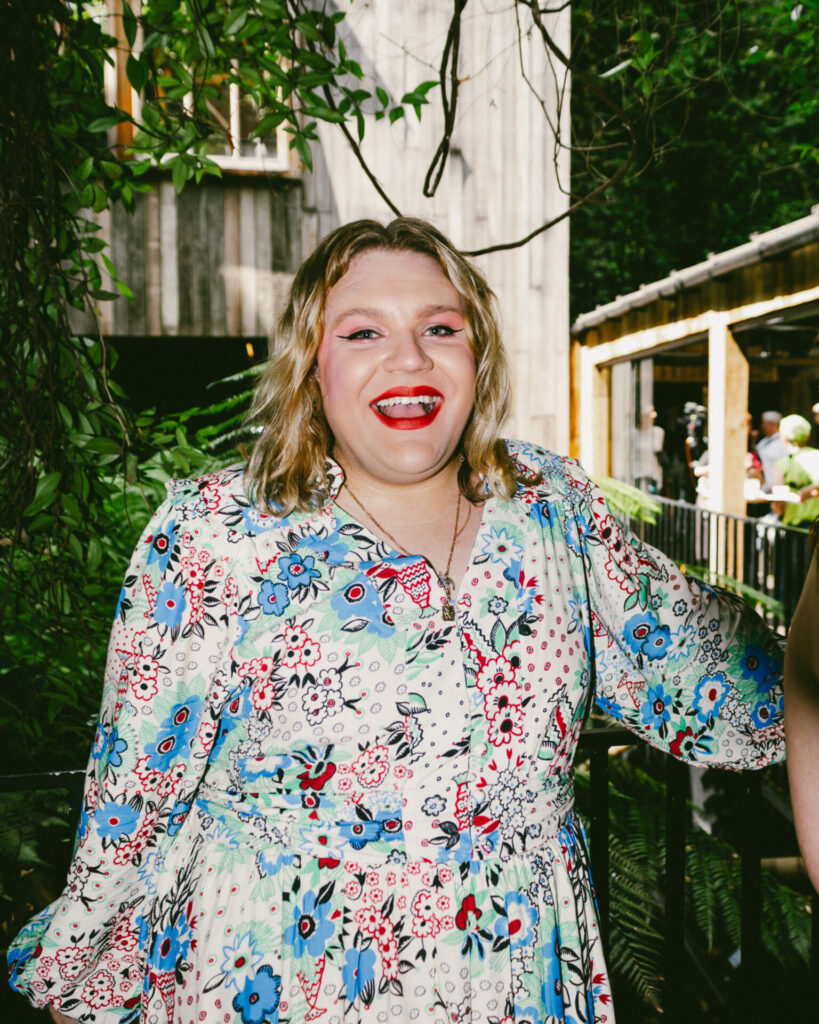
I grew up feeling incredibly isolated. School was a minefield – bullied by my peers, by my teachers, and by my school. I learned from a very early age that I was seen as a problem. Now, as a trans+ non-binary intersex adult, I can feel lost at times, because I never pictured being here. I have had to work out what to do with my life.
I have dedicated myself to making the lives of trans+ people better. Whether this is through activism, writing, delivering education, or just by being online as my authentic self, I want trans+ people to survive but also to experience joy. If we are trying to build a better world for us, there has to be trans+ people to benefit from that.
It is a hard time being a public trans+ person when the world has never hated us more. It can feel impossible to face the world, to stand up for what is right. However, I know what it felt like as a child to have no one to look up to. It is my responsibility to be the representation young trans people desperately need. Being spoon-fed by an aggressive media that uses trans people as rage bait for clicks, people forget that we are just ordinary people. There is nothing special about my transness. It’s just a part of who I am.
I can’t speak for all trans+ people. I want to be seen for my talents, what I can bring to the table, how I show love, and show other people that I… that we, are all worthy of love. Allyship is vital. You don’t need to fully understand us; let us live in peace! Stand up for all trans+ people, support us. Let us be ordinary.
Dee Whitnell, they/them
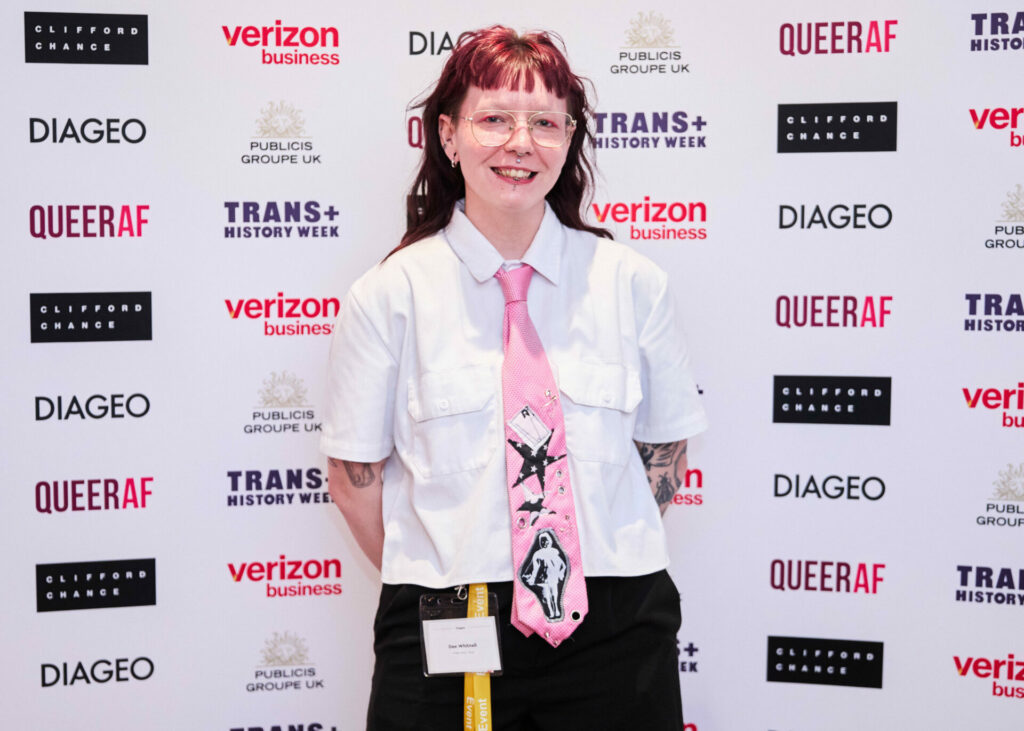
I always knew I wasn’t a girl or boy growing up. I was this weird in-between. I was the kid who wore Disney princess dresses with Timberland hiking boots and dirty knees. My mum put me into dance at four years old, and I’d wrestle and box with my dad. Growing up with this blend of masculinity and femininity felt completely natural to me – but hitting my teens was when I really started to question my gender. I didn’t feel like a girl, even when I was trying my best to be the ‘perfect’ one, and I didn’t feel like a boy either. I was referred to as a tomboy by some, a girlie girl by others, and that confused me because I was just Dee.
In my late twenties, I finally found the label that suited me: non-binary. Discovering that term freed me; I no longer needed to fit myself into either box — I could simply just be Dee. And I’ve now been out as nonbinary for five years, embracing my gender, feeling genderless AND genderfull. Finding the label nonbinary felt like finally returning home: I was safe, I had security, support, and a community. Since then, I’ve become a non-binary elder to several enbies, helping them through their own gender journey.
Cairo Nevitt, he/him
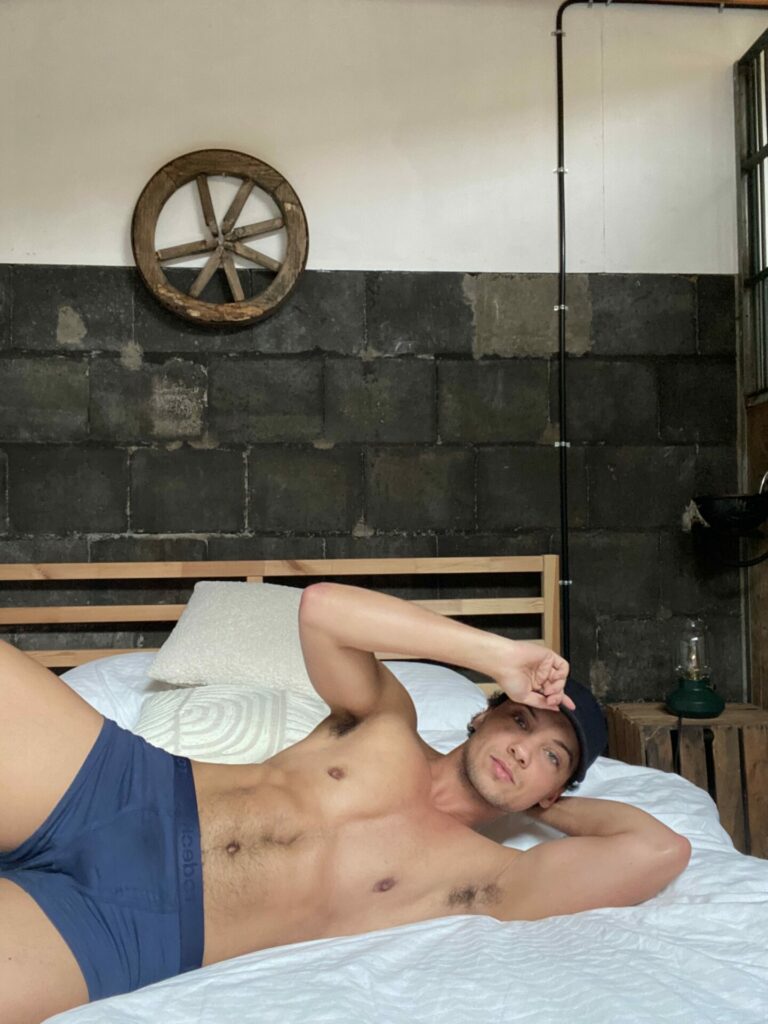
I am a proud Caribbean and English trans man, passionate about fitness, mental health, and all creative expression. Every day I push my own boundaries, daring to follow my dreams despite the noise that so often surrounds us as trans people. I’ve learned that only I get to define who I am and what I can achieve.
There’s much I’m proud of: recently graduating with a degree in Sports Psychology, and in 2022, making history as the first openly trans man to compete in two of Europe’s largest fitness federations. I went on to win three first-place bodybuilding titles in the men’s divisions. There’s a beautiful duality in who I am. One minute, I’m training like a beast in the gym; the next, I’m writing poetry or dancing in the studio. I’ve never felt the need to exist in just one space. Embracing my identity meant embracing all of me, my transness, my blackness, my artistry, my curiosity, and even the quiet geek who can spend hours in a library chasing ideas.
“At my core, I’m a man with a big heart who cares deeply about people feeling seen – not through numbers or visibility metrics, but through genuine connection. I lost a trans friend to suicide three years ago, and more since then. That’s why I say: visibility matters, but connectivity saves lives.
It’s not enough to simply be seen. As trans people, what we crave most is connection, to be met with kindness, understanding, and compassion instead of fear or interrogation. That’s the kind of visibility I strive for: one that opens hearts, not headlines.
Sabah Choudrey, they/he
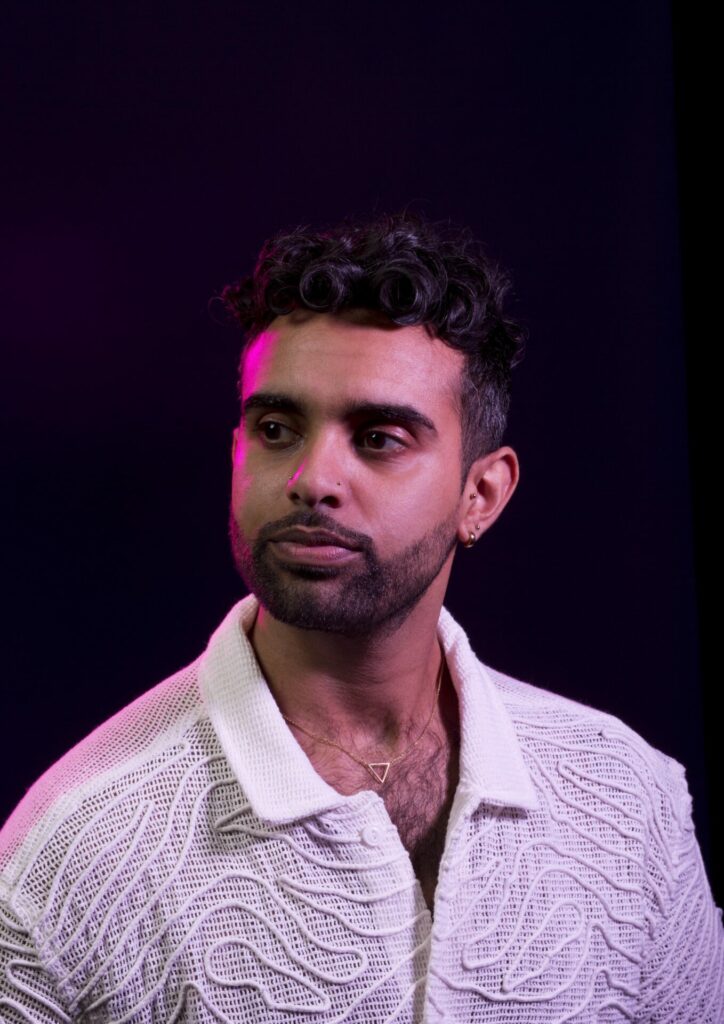
I never hesitated to speak on stage, to tell my story. From the moment I accepted I was trans, I knew my story wasn’t one that was told. For queer and trans people of colour, our stories are often told for us. Our voices are silenced, our identities erased, our narratives reduced to survival.
When I was a child, I grew up in a Muslim community. Ramadan was a time of magic, family, and fun. I also grew up surrounded by messages telling me what girls are, how girls should dress, sound, act, and be. The people around me used Islam to justify that. As a queer, hairy, brown girl, I didn’t fit in, and my relationship to Islam changed as I grew older. I went through what I lovingly call ‘my atheist phase,’ after finding no positive LGBTQIA+ representation in any religion I learned about. I didn’t feel there was a place for people like me, so I rejected my faith before it could reject me.
It has always been clear that transness is not seen as visible in non-white cultures — a history rewritten by those who colonised our lands and criminalised transness until it became synonymous with sin. When I became an adult and understood my true identity as trans-masculine, I realised how interwoven my culture was with my faith. My Pakistani roots and Muslim upbringing tell my story, too. So, I reclaimed Islam, learning from queer and trans Muslims, building a personal relationship with Allah, and understanding a religion that makes sense to me, not the one I’ve been told.
Accepting Islam again wasn’t easy to start with. Now, years later, it’s a part of my life that gives me hope, connection and humility. This is not a story of my transition. This is a story of my reclamation.
Paris Munro, he/they

My gender and sexual identity have been on one hell of a journey. After finally coming out as trans non-binary, I felt like I could breathe again, without the tight constriction of the python of conformity. I got to experience the sun on my chest on holiday, and finally feel aligned (mind, body, and soul).
I’ve been in the radio industry for over 10 years now, after studying at the University of Salford, and my home is Kerrang! Radio, weekends from 2 pm. I want to actively help pave the way in music, and on the voting academy panel for both the Brit Awards and Heavy Music Awards. This gives me the chance to vote and put forward people who are truly talented and also happen to be Black, brown, POC, happen to be a woman, and also happen to be part of the LGBTQ+ community.
Music has been my safety blanket from trauma, abandonment, abuse, and then some. This is why I find music one of the most loving spaces that can lift you regardless. I’ve always wanted to be an artist ever since I was a kid, picked up the guitar when I was eight, and never looked back. I released songs pre-transition, but it never quite fit. Earlier this year, I released a single, ‘Just Wanted To Dance’. This is a song for when you’re in a club and you look at your mates with so much love and feel grateful for having them in your life. This is a song to help you dance away the pain, a song to help carry you through the raw, really heartbreaking moments in life, and even lose yourself on the dance floor.
Later this year, after going through what felt like a LIDL checkout of the universe, throwing life lessons at me, I went within, finally started healing not only my inner child but me, began my spiritual growth, and self-acceptance. This really helped me, and I felt that pull to help others online. I want to help offer a space of empowerment, showing my heart, lessons, mistakes, and journey on the table. Turning my pain and vulnerability into power and strength, and spreading the courage to evolve and to always remember self-love is key.
We have one life to live, so we can either stay in the cage of comfort or explore the unknown, grow, learn, and realise we’re made for more than just pain.
Greyson X A Kempster, he/him
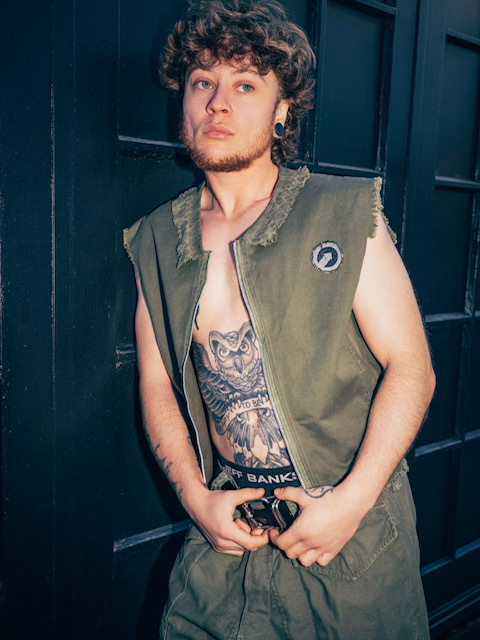
I’m a Scouser, PT for Trans Celebration, actor/model, and founder of Stealth and Scouse – a men’s inclusive collective built to bring lads together through sport, creativity, and community. We bridge gaps, raise mental-health awareness, highlight intersectional denominators, and create space for men to grow and connect with one another and themselves. This is who I’ve become: relentless, unapologetic, and still standing… even when people who promised forever walked away.
I didn’t grow up seeing people like me survive, let alone thrive. Most of the trans men I’d later meet came from environments where coming out meant rediscovery. For me, it meant punching my way out. My journey into self-discovery was overshadowed by chaos – gangs, drugs, custody suits, and undiagnosed, unsupported mental health. Therapy isn’t cheap, so I built my own tools. Writing bars, spoken word, boxing, climbing, speaking my truth, and leading inclusive sessions became my lifelines. They taught me discipline, emotional translation, and how to hold space for myself. They reminded me that my presence and existence have value.
Growing up mixed race brought its own challenges: too Black for the white kids, too white for the Black kids. Add being trans on top, and the layers multiply. People assume being perceived as white and cis means endless privilege, but invisibility comes with its own dangers, assumptions, projections, and the constant misplacement of identity. Another twist in marginalisation I know too well. I lived stealth for years, learning who I was when no one was watching. Eventually, I realised passing privilege could be powerful when used to make someone else feel less alone.
This year, I took part in a very important campaign by LGBT Foundation, Man Enough, being spotlighted in ways that tear down toxic masculinity and allow the foundations for opening up, and feeling safe to explore what defines a man while rejecting harmful stereotypes. It’s proof that men like me deserve to take up space, feel visible, and be represented in these dialogues.
Now, I kick down doors of rooms that once wouldn’t answer if we came knocking. I own them. I speak openly, loudly and proudly at protests, prides, marches, and anywhere insight is needed. I encourage conversations the world still isn’t ready for, while it talks about us without us.
To the mandem, the lads, the boys: stop hiding behind what you think a man ‘should’ be. Real strength isn’t stoic silence. It’s owning your emotions – anger, grief, softness – and still showing up. Hug your brothers. Tell people you love them. Feeling won’t make you less of a man; it’ll make you a better one. Being seen is revolutionary. Trans men’s stories aren’t always soft or tragic – mine is both. We are normal, complex, tender, dangerous. All in equal measure.