
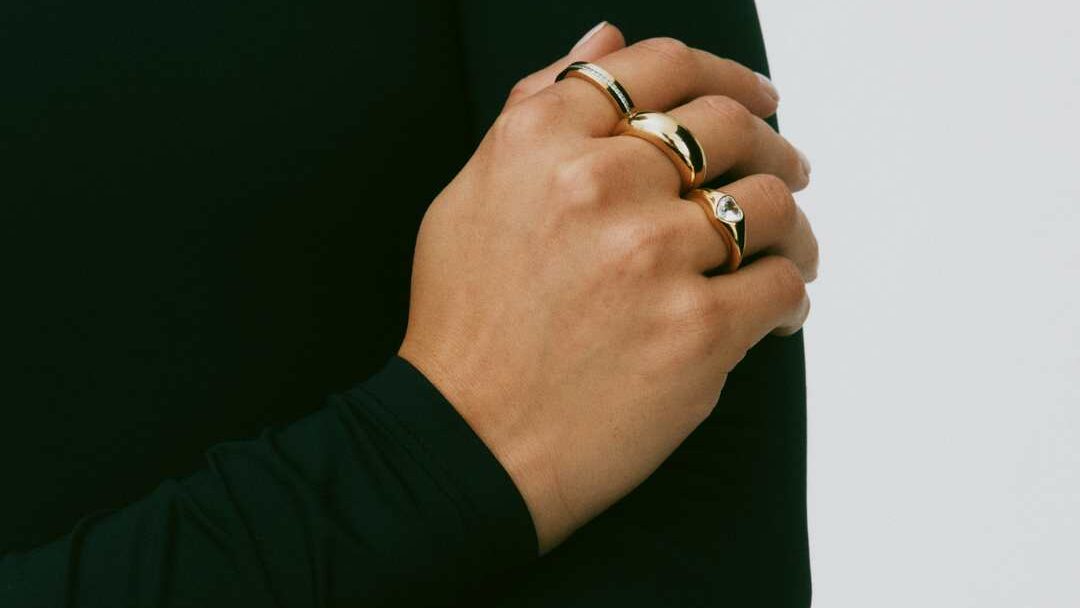
Minimalist jewellery continues to reappear in queer fashion because it offers something few other styles can: flexibility, subtlety, and personal meaning. In wardrobes shaped by movement between different spaces—work, nightlife, and everyday life—simple pieces adapt without losing impact. Rather than dominating a look, they refine it.
Across both women’s jewellery and unisex styling, minimalist accessories provide a foundation that supports expression instead of limiting it. This is especially relevant in queer style, where identity is often communicated through nuance rather than uniformity.
The Power of Less in Personal Style
Minimalism in jewellery is not synonymous with plainness; rather, it functions as a deliberate tool for shaping and refining an outfit. Its strength lies in versatility, allowing pieces to transition seamlessly across different settings and dress codes while maintaining a consistent aesthetic.
Minimalist jewellery provides subtle emphasis that enhances an overall look without competing for attention, and its timeless nature helps avoid dependence on fast-moving trends. It also offers strong layering potential, enabling combinations that add depth without creating visual overload.
In queer fashion, where styling often explores contrast and reinterpretation, these qualities make minimalist jewellery particularly effective, supporting expressive looks while maintaining balance and cohesion.
Quiet Details That Define a Look
Even in bold or experimental outfits, smaller accessories often carry significant visual weight. A slim chain, a single hoop, or a clean ring can subtly shift the tone of an entire look, demonstrating how minimal elements can influence overall styling.
This effect comes from the way minimal pieces create contrast against more statement-driven garments, allowing the outfit to feel balanced rather than overwhelming. They also enable a high degree of precision, particularly in close-up or carefully curated looks, where small details become more noticeable. At the same time, they help maintain an aesthetic that feels intentional and controlled.
For example, pairing a simple ring with structured tailoring or layering a fine chain over sheer fabrics can introduce depth without adding excess. The result appears considered rather than accidental.
Jewellery That Moves With Real Life
One of the primary reasons minimalist jewellery continues to resurface is its compatibility with modern routines, where strict divisions between wardrobe categories are increasingly uncommon. Pieces are expected to transition fluidly throughout the day, adapting to different contexts without requiring changes.
Minimalist designs support this flexibility by working equally well in office or formal environments, casual daywear, and nightlife or more expressive styling. This adaptability allows a single piece to remain relevant across multiple settings, reinforcing both practicality and consistency in personal style.
A single bracelet or necklace can shift meaning depending on context. This aligns with the fluid nature of gender fluid fashion, where clothing and accessories are often reinterpreted across different identities and moods.
Why Minimalism Feels Personal Again
Minimalist jewellery has evolved from a strict aesthetic into a more emotional and expressive choice. It allows wearers to build meaning over time rather than relying on immediate visual impact.
This renewed appeal is driven by:
- A preference for repeat wear and longevity
- The desire for individual interpretation
- Increased focus on detail and craftsmanship
- A shift toward intentional consumption
In this context, minimalist styling also connects to broader ideas such as women’s empowerment, where choice, comfort, and self-expression take priority over expectation.
The Role of Design and Materials
When simplicity is central, quality becomes more apparent, as materials, finishes, and construction play a defining role in how minimalist jewellery performs over time. Durable metals that retain their appearance are essential, along with nickel-safe options that support comfort and inclusivity for a wider range of wearers. Smooth, clean finishes further enhance wearability, while balanced proportions ensure that pieces remain practical for everyday use.
Brands like Edblad align closely with these priorities by combining Scandinavian design principles with stainless steel construction. Their jewellery emphasizes simplicity, durability, and affordability, making it well suited for daily wear across different styles and identities.
Why Minimalist Jewellery Keeps Coming Back
Fashion trends often cycle, but minimalist jewellery remains consistent because it does not rely on a single interpretation. Instead, it adapts.
Its lasting relevance comes from:
- The ability to blend into different aesthetics
- Its role as a styling foundation rather than a statement
- Its compatibility with evolving identities and wardrobes
- Its longevity in both style and material
Rather than fading, minimalist pieces tend to re-emerge with new meaning each time.
Conclusion
Minimalist jewellery continues to hold a strong place in queer fashion because it offers freedom. It does not dictate how it should be worn or what it should represent. Instead, it creates space—for contrast, identity, and change.
In a landscape shaped by fluid expression and practical living, simple jewellery remains one of the most powerful tools. It supports individuality quietly, proving that sometimes the smallest details carry the most significance.