
Can you be queer and vote Reform UK? Four voices offer their take
As questions swirl about values, voting and what community really means in 2026, one thing is clear: queerness doesn’t automatically equal consensus
Debates around identity and politics are rarely neat – and within LGBTQ+ spaces, they can be some of the most charged conversations of all. As questions swirl about values, voting and what community really means in 2026, one thing is clear: queerness doesn’t automatically equal consensus.
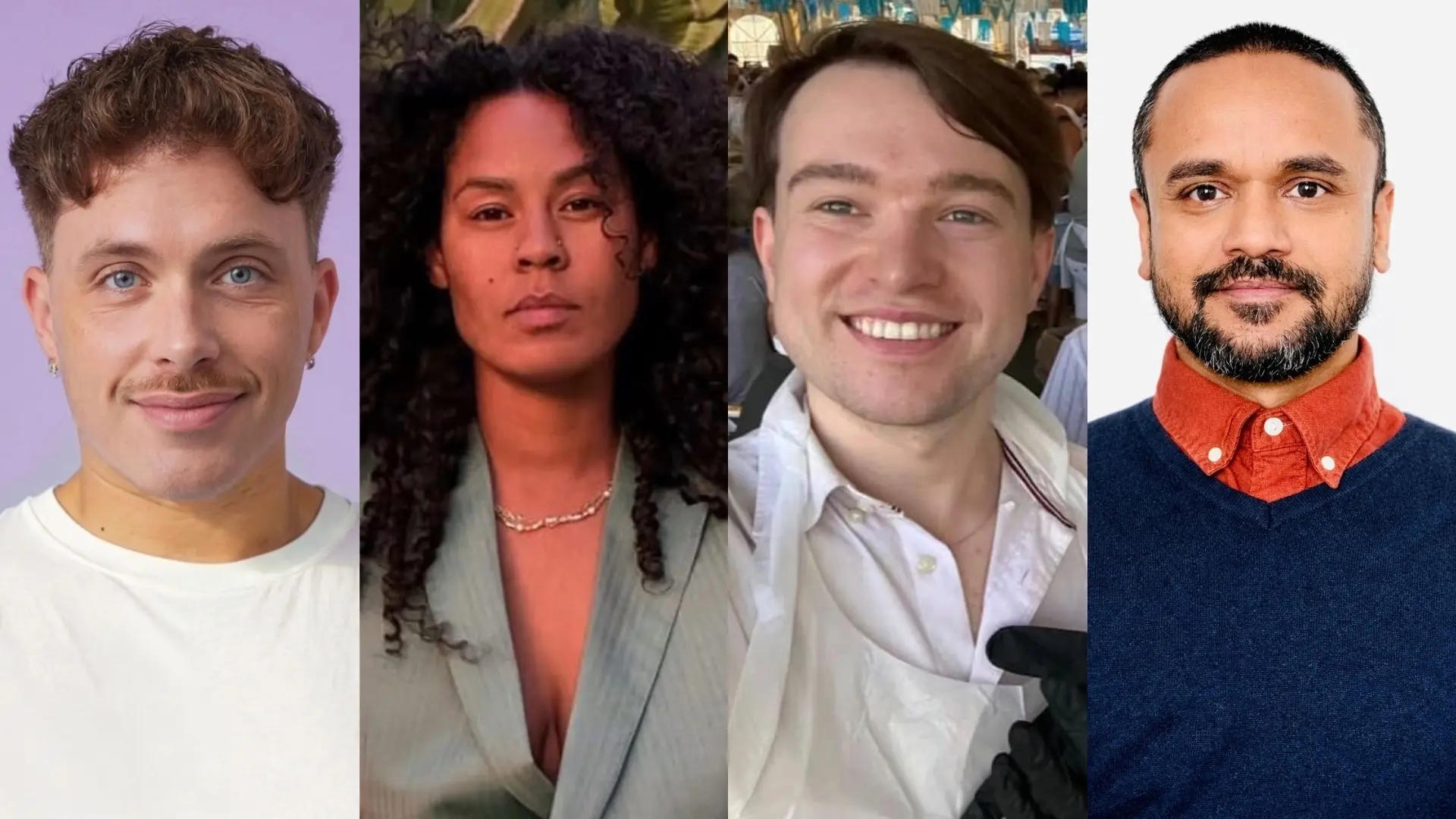
In this edition of Foursight, Char Bailey, Oli Benjamin, Mazharul Islam and Graeme Smith unpack a provocative question – can you be queer and still support politics or ideologies that others in the community see as harmful? From lived experiences of displacement and discrimination to arguments around autonomy, identity and ‘British values’, their perspectives reveal a community grappling with its own complexities, contradictions and fault lines.
Char Bailey – Inclusion consultant
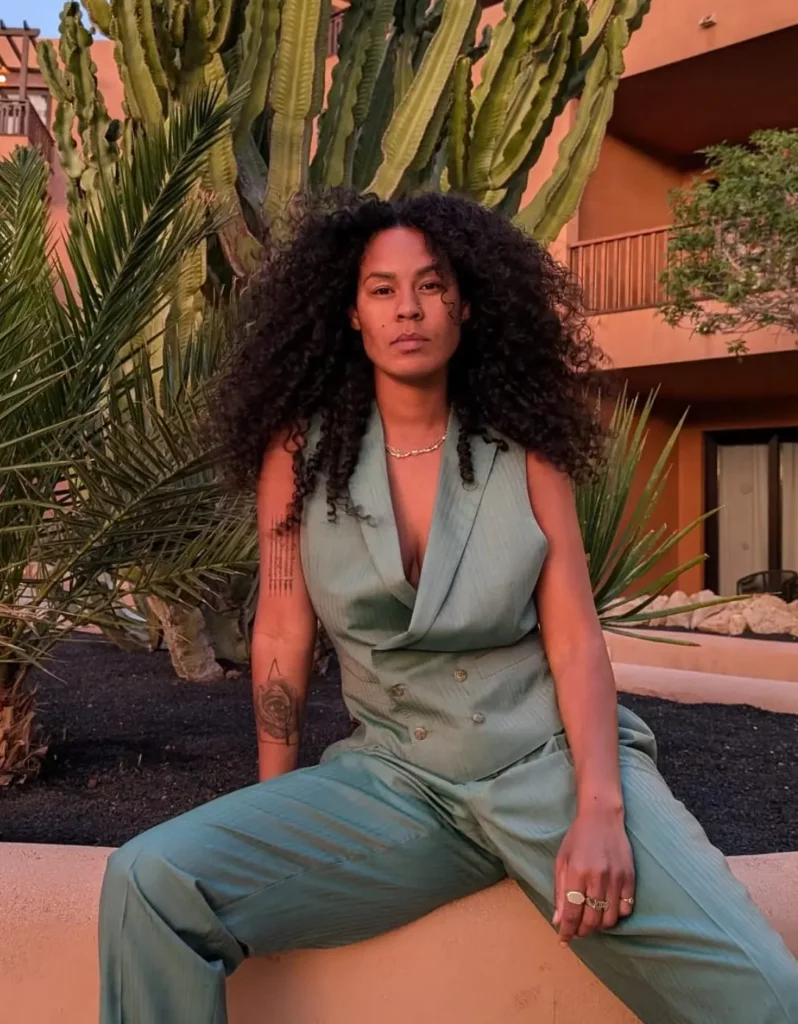
Can you be queer and racist? Queer and ableist? Queer and transphobic? Can you be queer and still fall for the kind of rhetoric designed to turn us against each other? I wish the answer were no. I wish queerness alone guaranteed a level of empathy so deep that harming another marginalised group would feel impossible. But that’s not the world we live in.
Queer people carry the same vulnerabilities, fears and social conditioning as anyone else. We’re not magically protected from being influenced by narratives that promise safety while quietly stripping it away. And when we talk about “the queer community,” we’re really talking about a tiny reflection of the wider world, a spectrum that includes people with so much privilege they can’t (or won’t) see the realities others in our community face every day.
So, yes – you can be queer and vote for a party whose policies threaten the very protections that allow us to exist with dignity. A label doesn’t guarantee a moral compass. But I hope anyone considering that path pauses long enough to understand what dismantling something like the Equality Act would mean. Not for “others”. For all of us.
Oli Benjamin – Entrepreneur
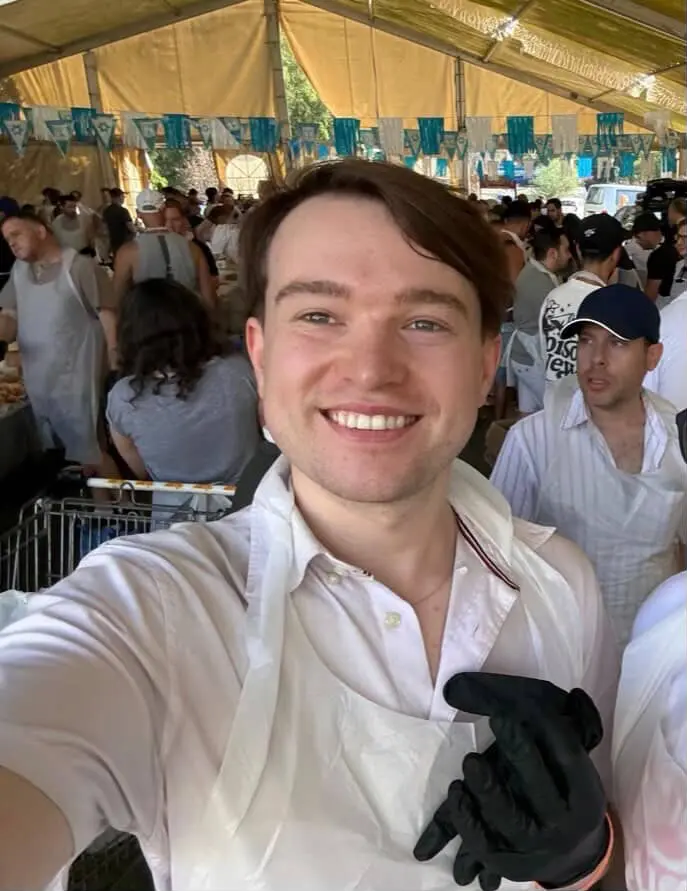
Absolutely. Being LGBT is not a political position. The term “queer”, however, has become shorthand for a particular worldview rather than a sexuality. Its vagueness allows anyone, regardless of orientation, to signal ideological alignment while claiming minority status.
A better question is: can you vote for a right-wing party and be LGBT? The answer is: of course. We are not the property of the left.
The Conservative Party, Restore Britain and Reform UK share a position: current immigration policy needs urgent reform. According to the BBC, over half of British Muslims surveyed said homosexuality should be illegal. This raises serious concerns about how immigration and integration affect the safety of our community. We cannot pretend immigration is irrelevant to LGBT issues. We thankfully live in one of the few cultures that affords equal legal protections to LGBT people.
It is possible… no, sensible, to support a right-wing party that defends those British values safeguarding our rights, rather than parties that, through naivety, fear or virtue-signalling, prioritise belief systems hostile to gay people.
Mazharul Islam – Chair & founder, The Rainbow Tree
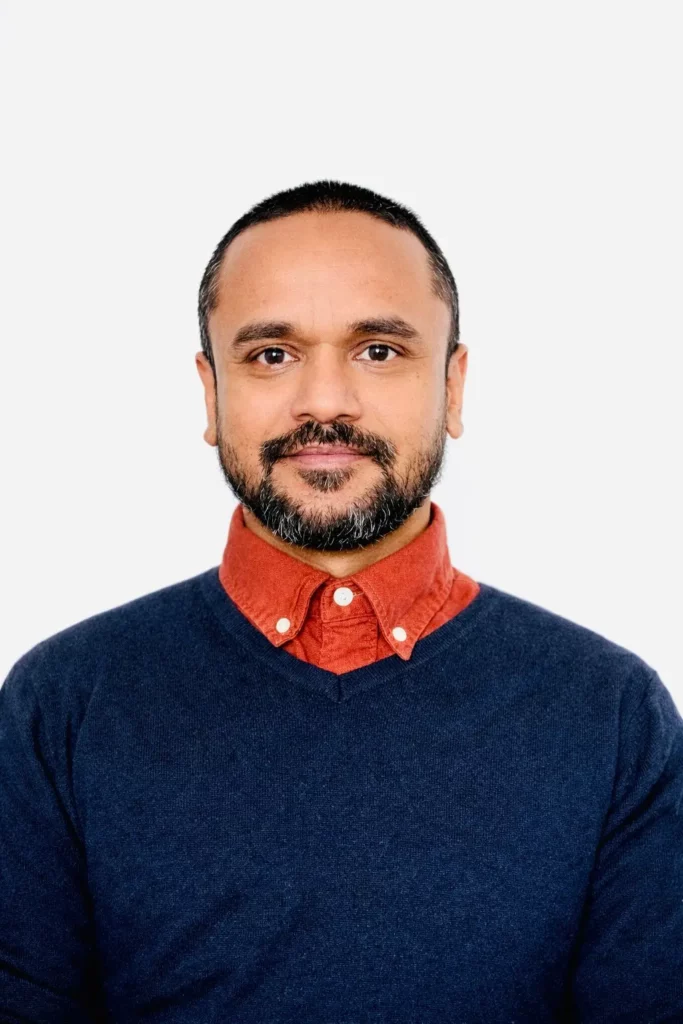
As a gay activist in Bangladesh, where homosexuality is illegal, I was forced into hiding, then escorted to the airport with 24 hours’ notice in a bulletproof car under embassy protection. It was an escape from a life where my existence itself was a threat.
Growing up queer in Bangladesh, our identities were criminalised. Families were pressured to silence us, neighbours monitored us, and the state made it clear that people like me were never meant to live openly. Before I ever learned pride, I learned survival. As founder of The Rainbow Tree, the British Bangladeshi queer community group, I carry not only my own story but the stories of countless others who fled the same erasure.
For queer migrants, queer Muslims and queer people of colour, the real question is: what does it cost us? Reform’s rhetoric on immigration and “British values” is not abstract. It echoes every interrogation we survived, every moment we were told we did not belong. My queerness, race, faith and migrant history are inseparable. So, yes – you can be queer and vote Reform. But many of us simply cannot afford to.
Graeme Smith – OUTCAST WORLD podcast host

How would your old schoolmates describe you? Mine might say “quiet, gay, bullied.”
The memories Nigel Farage’s former classmates at Dulwich College have are of alleged racist bullying of vulnerable younger boys. The man who could lead the next government is remembered like that.
Reform’s former leader in Wales is currently in prison for taking bribes from Russia. Yet still some of you share GB News clips, sneer at Pride and question trans rights – backing the school bully and pretending you’re above identity politics while following a movement obsessed with identity.
My husband is Black, born in London. His parents weren’t. Is he British? Reform aren’t sure. When they discuss ICE-style enforcement and “reviewing” citizenship, that isn’t theoretical in our house. One of my closest friends claimed asylum 15 years ago. Works. Pays tax. Under Reform, he is a file to reopen.
If Reform guts equality laws, erases trans people and makes HIV drugs and PrEP collateral damage in a culture war, don’t you dare act surprised. We will remember who decided our safety was expendable.
This feature appears in Attitude’s May/June 2026 issue