
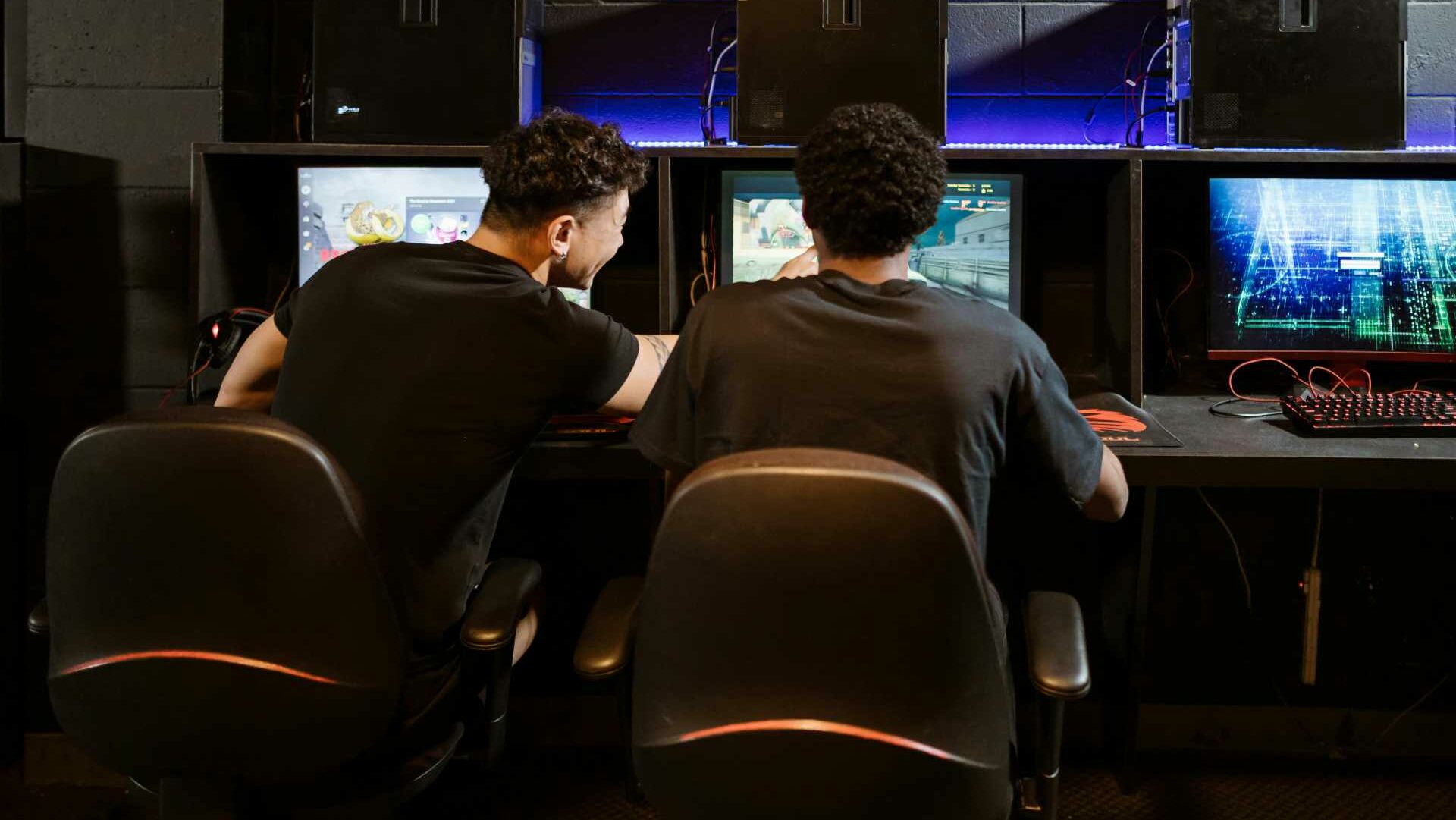
It always starts in a really ordinary way. You are scrolling, not looking for anything, and a quick clip from some game appears. You watch it, think nothing of it, and keep going. Then it shows up again. Then someone sends it to you. Before long, it feels as if everyone online is talking about this one game, even though you barely know what it is. And then, just as you get used to seeing it everywhere, it drops off your feed. No big ending, it just goes quiet. It is strange how fast it happens, and how easily we all get swept along with it.
How the Hype Catches Fire
Every viral success begins with something small. A novelty. A lucky clip. A tiny glitch that is funnier than it ought to be. Once someone shares it, it spreads like a spark on dry grass. The more people see it, the more they want to feel part of it. The game itself becomes secondary to the noise surrounding it.
What really drives it is the social part. People just like doing things together, even if “together” is everyone sitting behind their own screens. You can see it in live casino games too. Half the fun is the chat, the reactions, the little shared moments with strangers. Nobody joins just to stare at cards. They join because it feels like something is happening. The real-time dealer and shared chat feed create that sense of everyone reacting at once. Viral games work the same way. It is not just the game pulling people in; it is the feeling that everyone else is there at the same time, laughing at the same stuff.
It is brilliant while it lasts, but anything that relies on surprise has a short shelf life. As soon as the quirks are explained and the clips start repeating, curiosity fades. People still like it in principle. They are just done watching the same magic trick on loop.
Influencers and the Chain Reaction
A flood of attention always tips over when creators join in. One big streamer stumbling across a bizarre moment can turn an otherwise modest game into a cultural event. Viewers see it, laugh, and want a taste of the chaos themselves. For a few days, the entire online conversation pivots around the same handful of ridiculous highlights.
But popularity online lives on rotation. Streamers cannot play the same game for months because their audience expects novelty. As soon as views dip, they switch. It is not personal. It is simply how they keep things lively. The moment they move on, so do the crowds. It was like live television back in the day. When the show ends, everyone changes the channel.
Every developer dreams of catching that flash of attention, but few manage to hold it. For most, it is a week or two in the sun and then back to normal. Yet even that brief spotlight can be enough to make careers, which is probably why nobody ever stops trying.
When Familiarity Creeps In
After the fireworks come the repetitions. The jokes thin out, strategies settle, and the unpredictable moments become rehearsed. What once felt like discovery turns into routine. Even the lobby music starts to grate.
Developers scramble to keep things moving with new maps, events and crossovers, but the audience can sense when momentum is being forced. Discovery cannot be manufactured twice. Once something stops feeling new, it takes enormous imagination to make players feel that spontaneous again.
And players themselves change. At first, there is enthusiasm and competition, but soon pressure creeps in. Friends start tracking high scores, and the carefree spirit that made it fun becomes another task. Excitement curdles into fatigue almost before anyone realises.
The Crowd Effect
The real fuel behind any viral title is not the gameplay. It is the crowd around it. That noisy, excitable swarm of people posting clips, building theories, making memes and turning a simple pastime into a shared cultural joke. It feels great to be part of it. For a short while, it becomes an online party that never sleeps.
Then one morning, you open your feed and notice the noise has thinned. Fewer clips. Fewer callbacks. The unofficial subreddit is quiet. No meltdown, no grand farewell, just a slow fade. Communities rarely end with bangs. They dissolve quietly, one lurker at a time. The strange part is that no one ever decides to leave. They simply stop turning up because the thrill has shifted somewhere else.
The Ones That Manage to Last
A few games manage to dodge the usual rise and fade cycle simply because they never sit still. Fortnite is an easy example. Every time you log in, something has shifted. A new area, a weird event, some bit of the map you don’t remember being there. It feels like checking in on a show that keeps changing the set when you are not looking. Minecraft is the other one. It lasts because players build everything themselves, so it never really settles. If people get bored, they just make something new, and suddenly the whole thing feels different again.
That flexibility seems to be the secret ingredient. A game that allows some level of evolution, through updates, community creativity or complete reinvention, buys extra time. It becomes part of a routine rather than a passing obsession. People come back, leave, and return months later because it still feels open-ended. The goalposts keep moving just enough to keep curiosity alive.
Not everything has to do this. Some games shine briefly, and that is enough. The trick is recognising which you are.
Why We Will Always Have Another One
What it really shows is that these viral games say a lot about us. We like being around other people, even if it is only online. Whether it is jumping into whatever multiplayer thing everyone is trying, or sitting at a live casino table with a few strangers, we just like feeling part of something for a bit. It is a small reminder that most of us want that sense of being in the same moment as everyone else, even if it only lasts an evening.
These trends do not disappear because we stop caring. They fade because the moment has simply run its course. They give us a laugh, a bit of competition, a burst of community, and then they make room for whatever idea is waiting in the wings. There is nothing sad about that. Their charm lies in how brief they are.
The funny thing is, it will happen again. Another game will show up out of nowhere, and everyone will pile in for a bit. We will watch the clips, try it ourselves, talk about it for a few days, and then forget about it just as quickly. It may not feel profound, but it reflects something very simple about how people connect. We like having something to share, even if it is small and temporary. And honestly, that is enough.