
State Street’s Colin Ashton on the importance of allyship and why real change must come from humanity
In partnership with myGwork
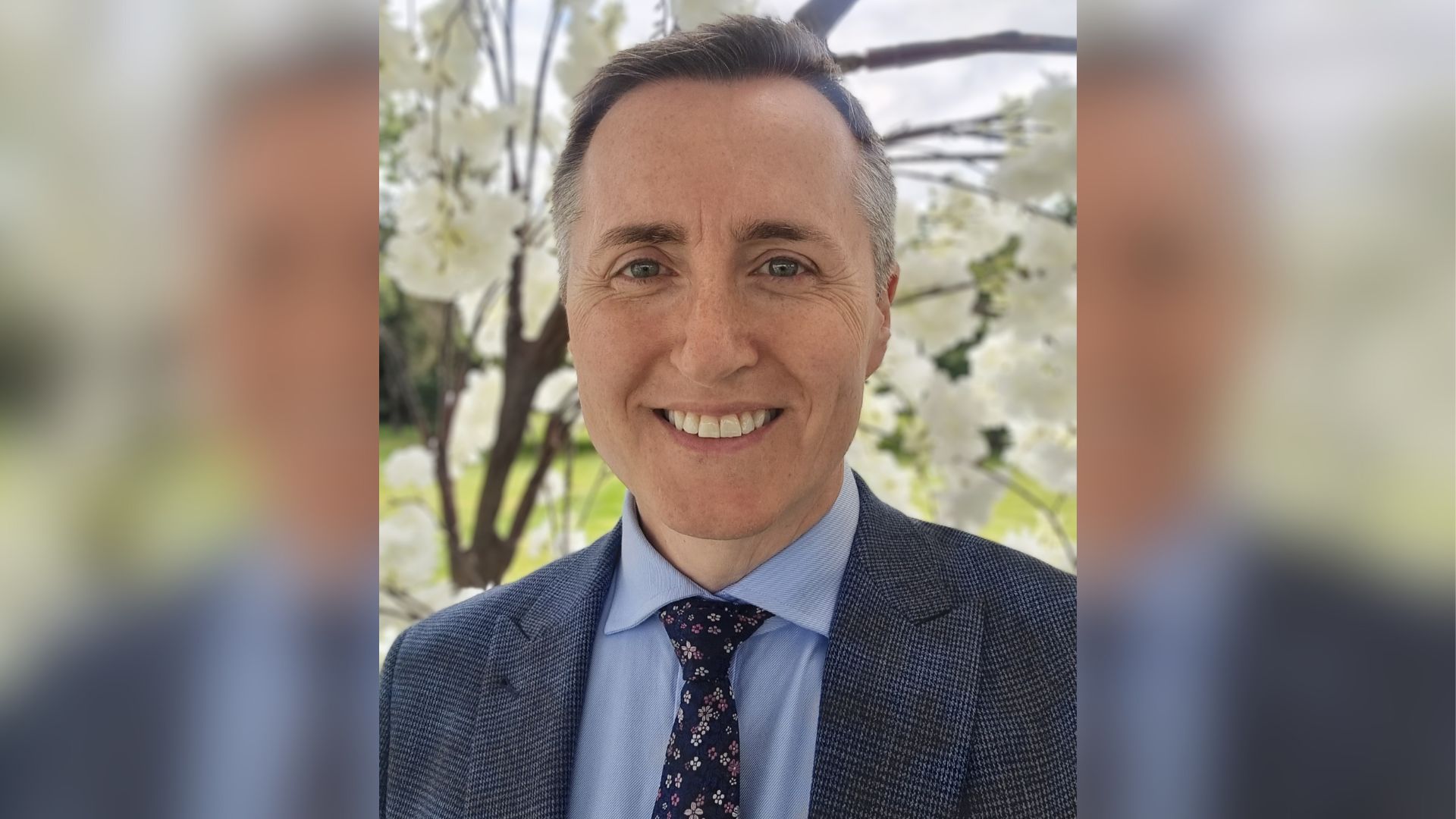
“We need a more human approach, not a political one, for lasting change. The former should drive the latter, not the other way round.” Colin Ashton, a finance professional from State Street, shares personal experiences as a firm ally, friend and family to the LGBTQ+ community over the years, reflecting on key moments that shaped a full commitment to inclusivity. Colin spoke to myGwork about State Street’s efforts to create an open and supportive environment, and the vision for a more equitable future for LGBTQ+ people.
Could you tell me a bit about your background and career journey leading up to your current position at State Street?
I have only had a few long-term jobs in my career, 16 years at an American firm and then a further 18 with a Japanese company. Both focussed on general finance (but specialising in Regulatory Reporting).
Can you tell me about your childhood – where did you grow up; did you have any hobbies?
I was born and raised in Maidstone, Kent, affected by change early on as my parents separated when I was 8. By 13, I was living with my dad and stepmum after my mother moved away with my sister. My father was a lorry driver, so university was never really an option for me, but my stepmother, who worked in banking, nudged me toward finance. I made it to grammar school and started working right after my A levels. Football was a passion, and despite breaking the same leg twice and then a torn achilles at 41, I kept playing until I took up aikido in 2019.
Can you share your personal journey with the LGBTQ+ community?
My journey with the LGBTQ+ community began in my teens. During school holidays spent with my mum and sister in a seaside town, I formed a very close friendship with someone who, at 19, came out to me. He was petrified to tell me, took him days and was then so relieved at my positive reaction. His family and friends had not taken the news well and he really suffered as a result of that rejection. The following summer, I visited and his mum told me he had taken his own life just a few weeks earlier. That loss made me wonder if I could have done more and ignited a commitment to being an ally.
At my sister’s wedding reception a number of years later, I met my first trans person (that I was aware of) and we struck up a friendship, partly because nobody else was talking to her. We remained friends for years and she gave me such an insight into her life and the wider struggles of that community.
Years later, just prior to Equality Act in 2010, my wife, who worked in mental health services, met numerous trans people referred to her for issues, as they were struggling with acceptance from friends, family or colleagues. She decided to set up a support group, I helped her wrap a charitable company around it for formality (and Gift Aid on donations) and she left her job to volunteer full-time for the community. She set up some other services, including the fortnightly support group, with up to around 50 trans people, friends and family attending.
With more access to mainstream services since lockdown, she is quietly signposting to other organisations now. We also started fostering five years ago, supporting two trans children along the way, and we have two amazing young women with us now.
What has been a standout moment in your career so far?
I always sought to be an active ally and joined the newly formed LGBTQ+ network, Niji (Japanese for “rainbow”), at my last role, working with some amazing people, then sought out the Pride network on my first day here last year.
I have had some personal achievements but none more rewarding that some of the events I have had the pleasure of helping organise. This network involvement got me personally nominated to join a leadership program called Walk the Tightrope in 2010, one that aims to develop leaders to use their empathy and influence to make a positive difference, not just “drive the numbers”. This led me on a very personal journey and has had a huge positive effect and led to meeting a community of incredible people along the way.
How does State Street strive for inclusivity and provide an open space for LGBTQ+ employees?
I was keen to join a company that was a good cultural fit at this stage of my career. I was pleased to see that the networks are so strong here and I have joined a few. The senior management do get involved and there is active participation. There can always be more but the people pushing for change are all amazing people who are all looking to make it a better place to work, laying the foundation for others.
Throughout your career, have you noticed any developments in attitudes towards the importance of diversity and inclusion?
Over 37 years I have certainly seen attitudes get better over time, since the late 80s. We seem to be hitting some recent barriers and are in danger of taking some regressive steps, especially impacting the trans community, with the polarisation in social media making it a much more difficult world to navigate. However, looking at how far we have come as a society, we need to maintain that forward momentum and not let this be a moment where we don’t support the full community. Easy for me to say wearing my own privilege and ally hat, but it means there is more need for allies to actively step up and step forward in this space and make it clear it can still be safe.
What immediate improvements would you like to see being made for LGBTQ+ equality in the future – both in the workplace, and wider society?
I suppose the utopian dream is always that this is a non-issue, there is no discrimination, nor any need to worry about this. However, we have seen the harm social media is causing to minority groups, and the most recent laws/regulations that have been enacted that I personally feel like an erosion of protections.
I see friends of mine banned from local sport, harassed in public spaces, driven out of social and work environments, simply for wanting to live authentically. We need a more human approach, not a political one, for lasting change. The former should drive the latter, not the other way round.
State Street is a proud partner of myGwork, the LGBTQ+ business community. Find out more about LGBTQ+-friendly job opportunities at State Street.