
Seven countries, one suitcase: why we’re in love with cruise holidays
In partnership with MSC Cruises
By Alex Ford
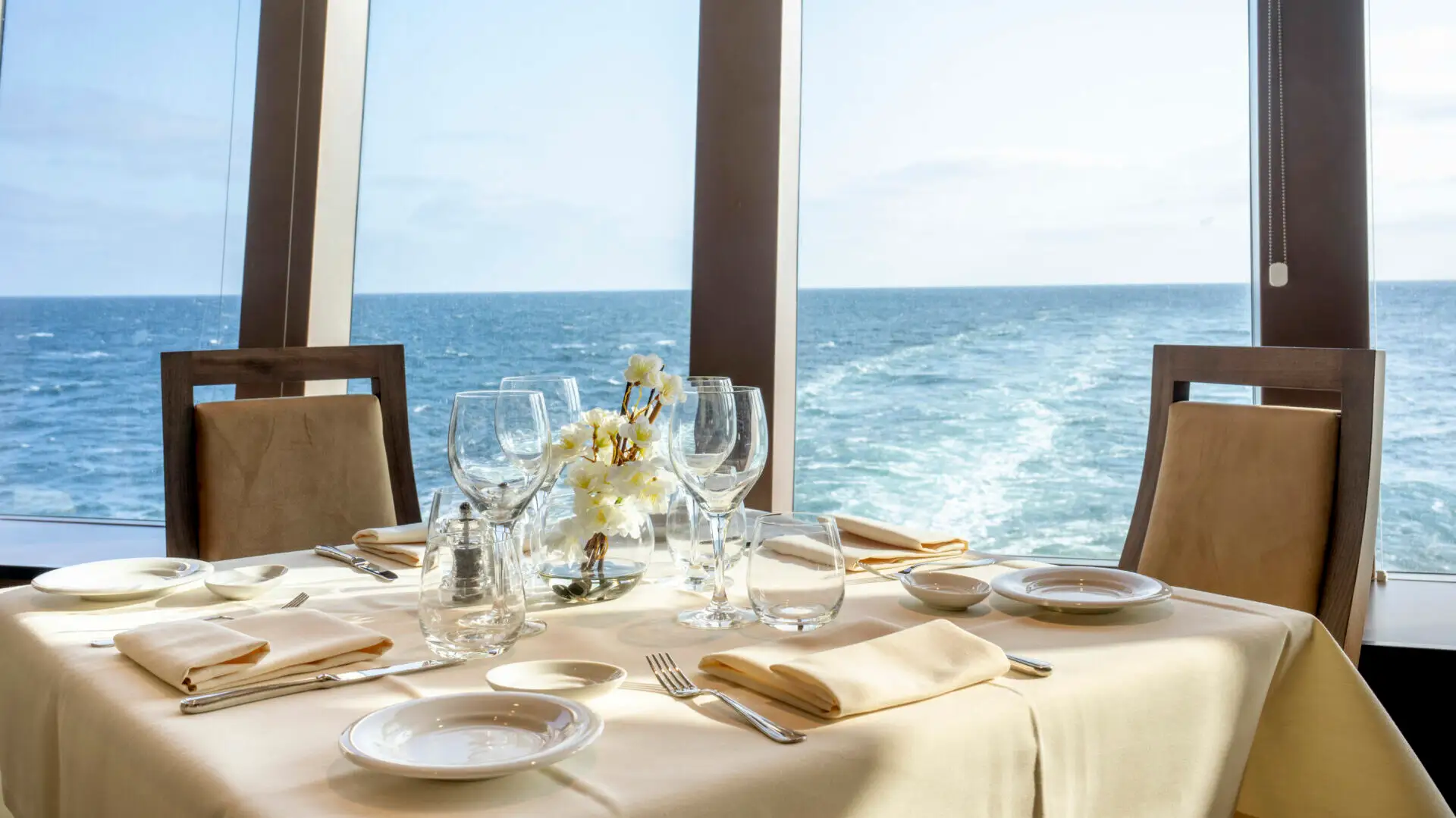
Multi-stop travel has a habit of consuming the very time it is supposed to free up. Transfers, check-ins, early checkouts and the grinding attrition of airport queues can turn a fortnight across several countries into something that requires its own recovery period.
MSC Cruises operates on an entirely different model with its cruise holidays: you board once, unpack once, and move between destinations while you sleep, arriving each morning at a new port with the ship as your fixed base throughout. The distances covered over the course of a week or two would take considerably more effort to replicate by any other means.
Wide range of destinations
The scope of MSC Cruises’ itinerary programme extends well beyond the Mediterranean routes that tend to define the popular image of cruise travel. From Southampton, year-round departures reach Hamburg, Rotterdam, Lisbon, Barcelona, Gibraltar and the Canary Islands, as well as the Norwegian coast – Flam, Olden, Alesund and Haugesund among the ports of call – and northward into Iceland, with stops at Reykjavik, Akureyri and Isafjordur.
Scotland and Ireland also feature on the northern itineraries, and longer southbound sailings follow the Iberian coast through Vigo, Cadiz and Malaga before turning into the western Mediterranean.
For travellers not based near Southampton, MSC Cruises’ Fly & Cruise programme departs from several UK airports. Mediterranean routes fly from London Heathrow and Manchester; Canary Islands and Madeira packages leave from Birmingham and Manchester. The wider global programme covers the Caribbean, the Bahamas, Japan, Alaska, South America and South Africa, among other regions.
Sailing from Southampton
Southampton functions as MSC Cruises’ primary UK departure port, with a year-round schedule that removes the need for any airport involvement whatsoever for passengers travelling from Britain. The practical benefit of this is greater than it might initially appear: rather than absorbing several hours and considerable expense getting to an overseas embarkation point, passengers can board directly, and the journey begins. The port’s schedule is not confined to peak summer months, which means the full range of itineraries – including the northern European and Norwegian routes that suit the cooler seasons – is accessible throughout the year.
For those with limited time, mini-cruises of two, three and five nights operate to the Netherlands and northern France, covering Rotterdam, Amsterdam, Zeebrugge and Le Havre. At the longer end, 12 and 14-night sailings along the Iberian coast and into the Canary Islands cover ground that would require multiple flights, hotels and transfers to see independently.
What time in port actually looks like
MSC Cruises offers shore excursions at each port of call, organised through local specialists and bookable directly through the MSC website in advance of departure. These range from guided city tours and food experiences to boat trips, hikes and cultural visits, and they remove the uncertainty of arriving somewhere unfamiliar without a plan.
Travelling independently is equally straightforward – Hamburg, Bilbao, Lisbon and Barcelona are all cities that absorb a day’s exploration without needing much organisation – but the excursion programme is there for anyone who would rather step off the ship into a structured itinerary.
The Norwegian and Icelandic ports are worth considering in their own right. Fjord-side towns like Flam and Olden are difficult to reach overland, and the infrastructure for independent travel in rural Iceland is limited outside the main ring road. Arriving by sea sidesteps those logistical difficulties entirely, and the approach through the fjords or along the Icelandic coast is an experience in itself.
All inclusive cruises
MSC Cruises’ all inclusive cruise packages cover drinks, dining and gratuities within a single prepaid cost, removing the ongoing calculation of expenditure that accompanies most holidays (leaving you to actually enjoy yourself). The baseline typically includes the main restaurant, buffet and a drinks package, with speciality restaurants and premium experiences available separately – though it’s worth checking the specifics of each package before booking.
The ships
The design of each ship in the MSC Cruises fleet is treated as seriously as the itinerary it sails. Interiors lean towards an understated European elegance rather than anything showy, and cabin categories range from well-finished interior rooms to full suites with dedicated butler service. The dining offer runs from the main restaurant and buffet, where the menus draw on a broad range of culinary traditions, through to speciality restaurants that would stand up as destinations in their own right on shore.
The onboard entertainment programme covers live performance, theatre, cinema and a full range of daytime activities across the fleet, which means the sea days between ports are not simply time to be endured. The larger ships in the fleet contain waterparks and sports facilities alongside the standard offer, and the family and children’s programme provides age-specific clubs and supervised activities that run throughout the voyage, giving families the flexibility to use the ship differently depending on who they are travelling with.
Planning and booking
Full itinerary listings, departure dates and cabin categories are available on the MSC Cruises website. For questions about what is included in each fare, how shore excursions are booked, and what to expect at embarkation, the FAQ section covers the practicalities in detail.