Rowing the Zambezi: How an LGBTQ+ crew took on hippos, heat and history
Francis Highton rowed along the Zambezi River as part of a challenge to pass through six African nations, finding queer representation in the unlikeliest of places
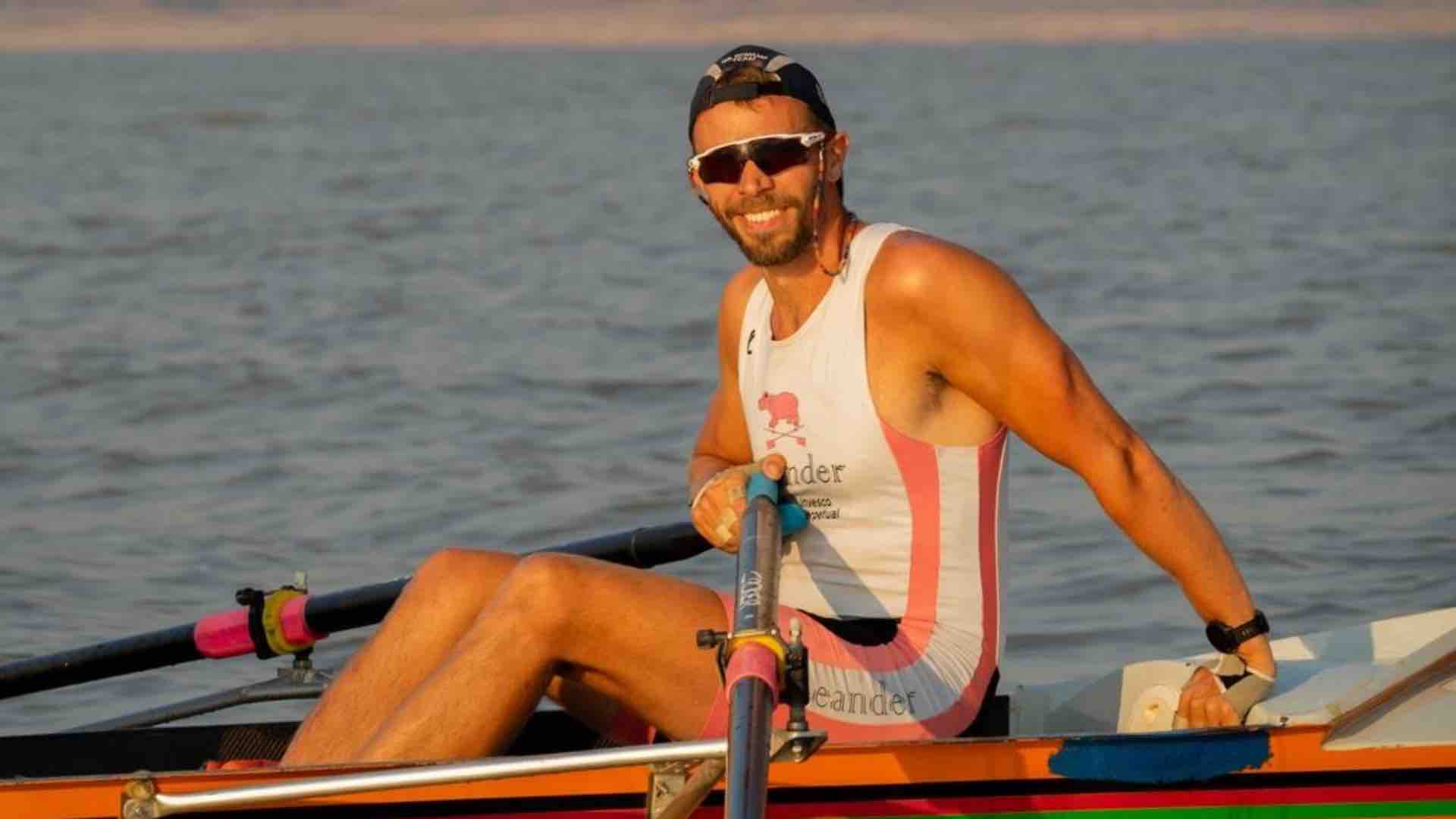
Under the cover of darkness, we start to stir. Alarms ring, an unusual sound in rural Africa. As we pack up our camp, the sun peeks over the horizon. It’s an image immortalised by The Lion King, the golden rays dancing across the landscape. Dawn and dusk have become timekeepers, our literal rise and shine and our bedtime. We gather at the river’s edge, ready to… well, I should explain.
It is mid-July, and our team of rowers have taken on the challenge of rowing part of the mighty Zambezi River. We have been inspired by the journey of famous explorer David Livingstone, the first European to see Mosi-oa-Tunya, otherwise known as Victoria Falls. Our aim: to raise awareness of water issues in Mozambique and Zambia.
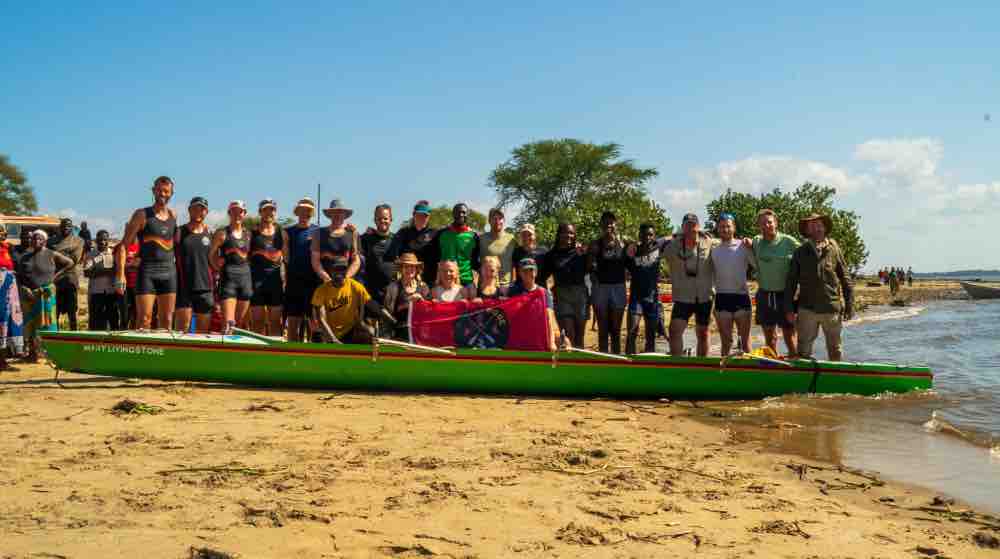
The Zambezi, Africa’s fourth-longest river, flows through six countries, making it a vital resource for millions of people. This year’s expedition is the fourth in a series to cover its entire 2,500km length, collectively raising over £100,000 for local water causes. Sporting the slogan ‘On Water, For Water’, these adventures began in 2011, starting with the stretch from Angola to the legendary Victoria Falls. The second, in 2014, was a row by starlight across the world’s largest artificial lake, Kariba, and in 2018, the third, which I joined, navigated one of the major tributaries of the Zambezi, the Kafue. This year, we are embarking on the final 900km stretch through Mozambique, from the Zambian border to the Indian Ocean.
Our diverse team of LGBTQ+ athletes and friends
Our 25-strong group is diverse and vibrant, representing a wide range of countries: the UK, South Africa, Uganda, Zambia, New Zealand, Australia and the USA. Half of us are women, and within our ranks are LGBTQ+ athletes, driven by more than just the allure of adventure but by a deeper mission: to defy barriers, champion inclusivity and inspire others, particularly in regions where simply existing as LGBTQ+ people can carry real risk. As a gay man, I often feel the need to fight for inclusion in spaces where I might not conform to the ‘norm’, and this expedition is an opportunity to prove – to myself and others – that we deserve to be there.
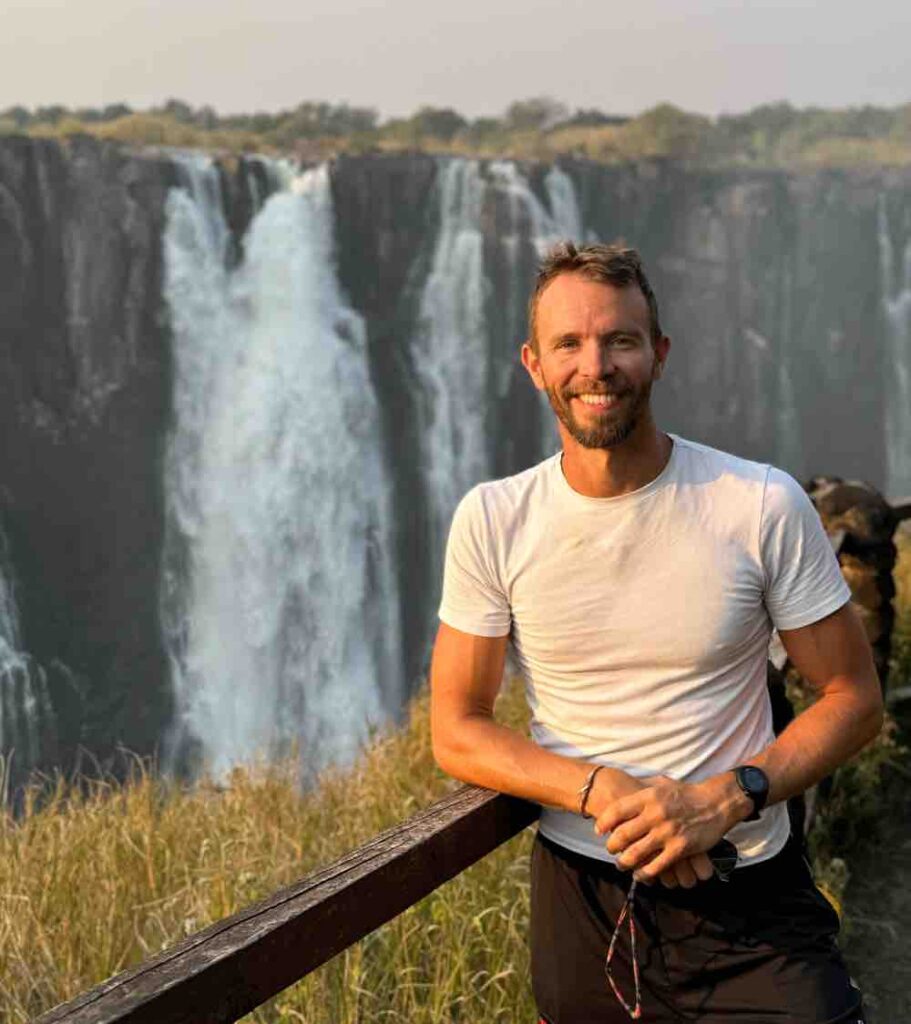
I love to explore, preferring to be up a mountain, in a lake, or, as in this case, on a river. Rowing has been a huge part of my life for 15 years, and I have been fortunate to find acceptance in the sporting community. But it was not always something I took for granted – I spent years fearful of sharing my true self. Growing up in the UK gave me the privilege of witnessing stories of openness and acceptance, but many nations still hold more conservative attitudes. In Mozambique, being gay has been decriminalised, but stigma and discrimination remain widespread, especially in rural areas. It is a lingering scar of the colonial past, where often more accepting cultures were crushed by the laws of colonising powers.
Facing the Zambezi River: hippos, crocodiles and threatening heat
At the start of the expedition, I am cautious about what I share, unsure if all of my teammates welcome LGBTQ+ individuals. However, I quickly realise that our need for teamwork and solidarity overshadows any potential differences. In such an intense environment, political, cultural and socio-economic divides become irrelevant. We have to have each other’s backs throughout the myriad challenges we face.
We are charged by bull hippos twice – a truly terrifying situation. There are contingency plans in place, which in hindsight wouldn’t have made much of a difference had a hippo caught up with us. However, a ‘hippo burst’, as called by the steersman, pushes the boat to a high cadence and speed to power away from danger.
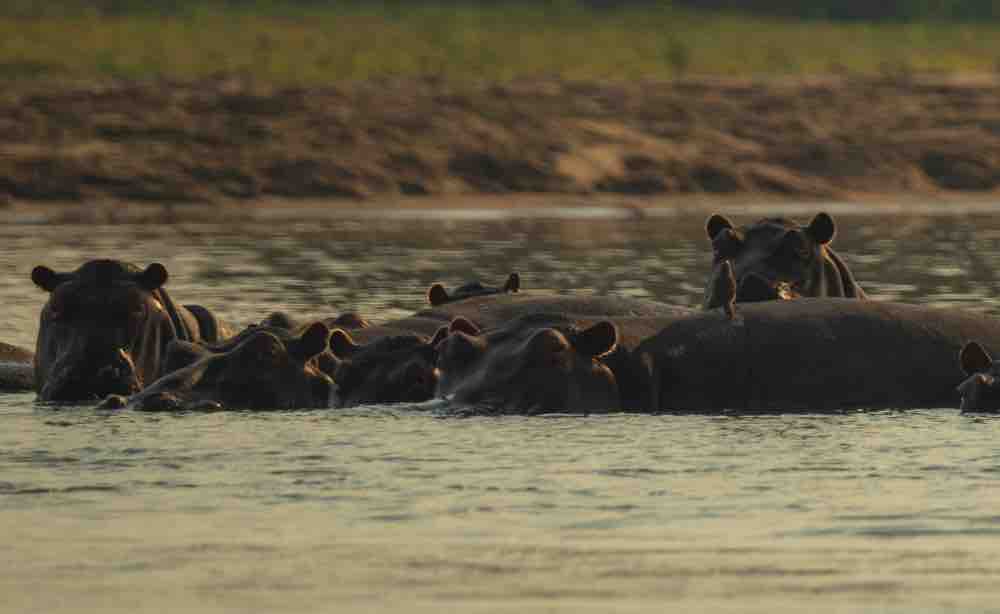
When our support boats get stuck on sandbanks, we are forced to push them free by jumping into the crocodile-infested waters ourselves, which is equally terrifying. The Zambezi carries a lot of sediment in flow, meaning the water is a murky brown colour, and spotting a crocodile in this is virtually impossible. These are the close encounters that can go either way.
From sickness to strength
Another challenge is the intense 36-degree heat that beats down on us from dawn to dusk with limited opportunities for shade, meaning we have to work hard to stay hydrated. Twice, faced with fading light and treacherous river channels, we make the decision to take some of the boats off the water and field our most experienced rowers to complete the distance to reach our planned campsite. These specific rows are given a special name, Operation Pangolin. We have to push ourselves in the heat and past large pods of hippos at higher speeds to ensure we stay on track.
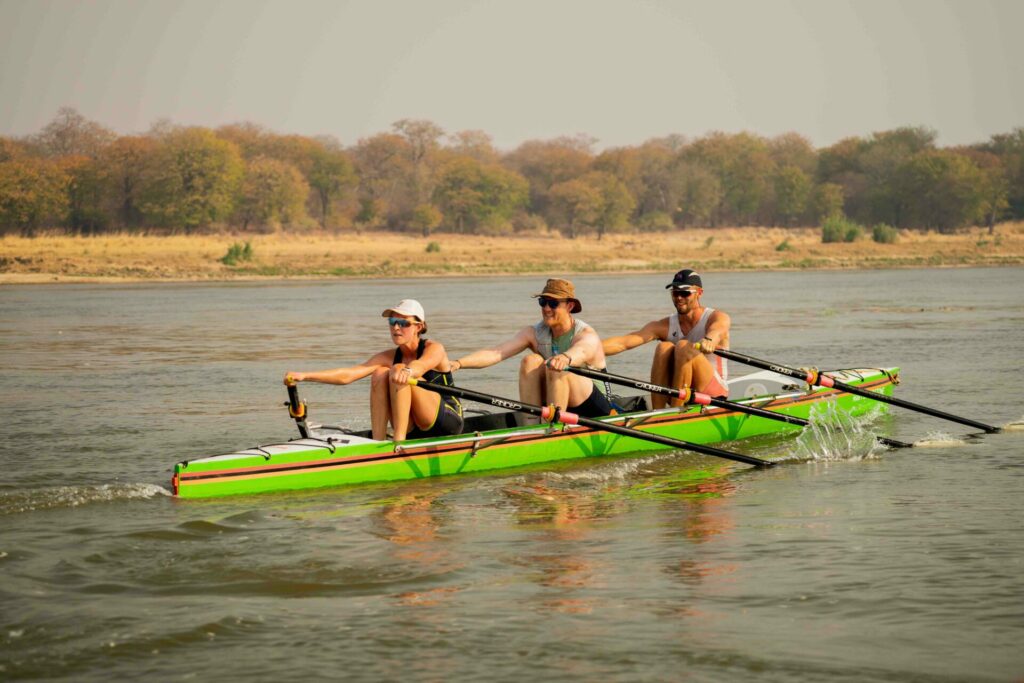
In the evenings, after a long and sweaty day on the water, we bathe in the river, always in pairs so one of us can keep a wary eye out for animals lurking just below the surface. Our team’s resilience is further tested when a vomiting illness spreads through the camp early on in the expedition, causing us to reevaluate and check our water and food sources. Overall, pushing ourselves to the edge of our comfort zone means we must rise to the occasion – together.
Reflecting on international LGBTQ+ struggles and privilege
These challenges seem huge but are incomparable to the struggles faced by LGBTQ+ people around the world. One evening, after we complete a service at Mary Livingstone’s grave, the wife of the famous David, the conversation among the team turns to representation. We talk about how, far too often, people who challenge societal norms are dismissed or marginalised. We discuss what it is like to be a woman, to identify as LGBTQ+, and to simply feel ‘different’ in our respective countries. Some of the team describe how they have grappled with understanding their own queerness in places where they are taught that it is wrong or unnatural; one member breaks down in tears as they recount their story.
It is hard to hear these painful experiences and realise the relative privilege some places and people have simply because, in others, laws and regulations are outdated. I hope these conversations fuel our collective strength to keep pushing against a narrative of exclusion.
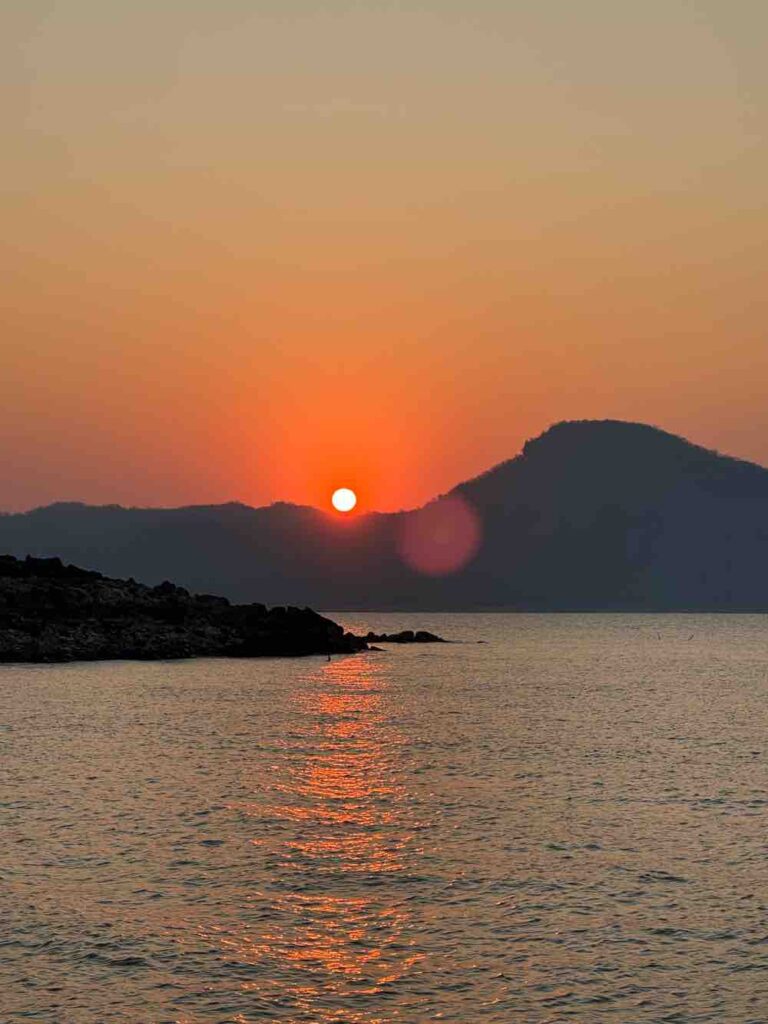
We complete our expedition on the 27th of July. Alongside a profound sense of accomplishment at having raised more money for our charitable causes, we have also become lifelong friends. Our journey of endurance, visibility and resilience has forged new connections and pathways forward in us – just like the mighty river. When I thought I was rowing against the current, on this expedition, I discovered that the current wants to flow with us. It just needs some nudges to find its way.
This is a feature appearing in Attitude’s January/February 2025 issue.
Get more from Attitude