
Curious (and genuinely useful) gadgets to enhance the gaming experience on smartphones, PC, and consoles
In partnership with Betway
By Alex Ford
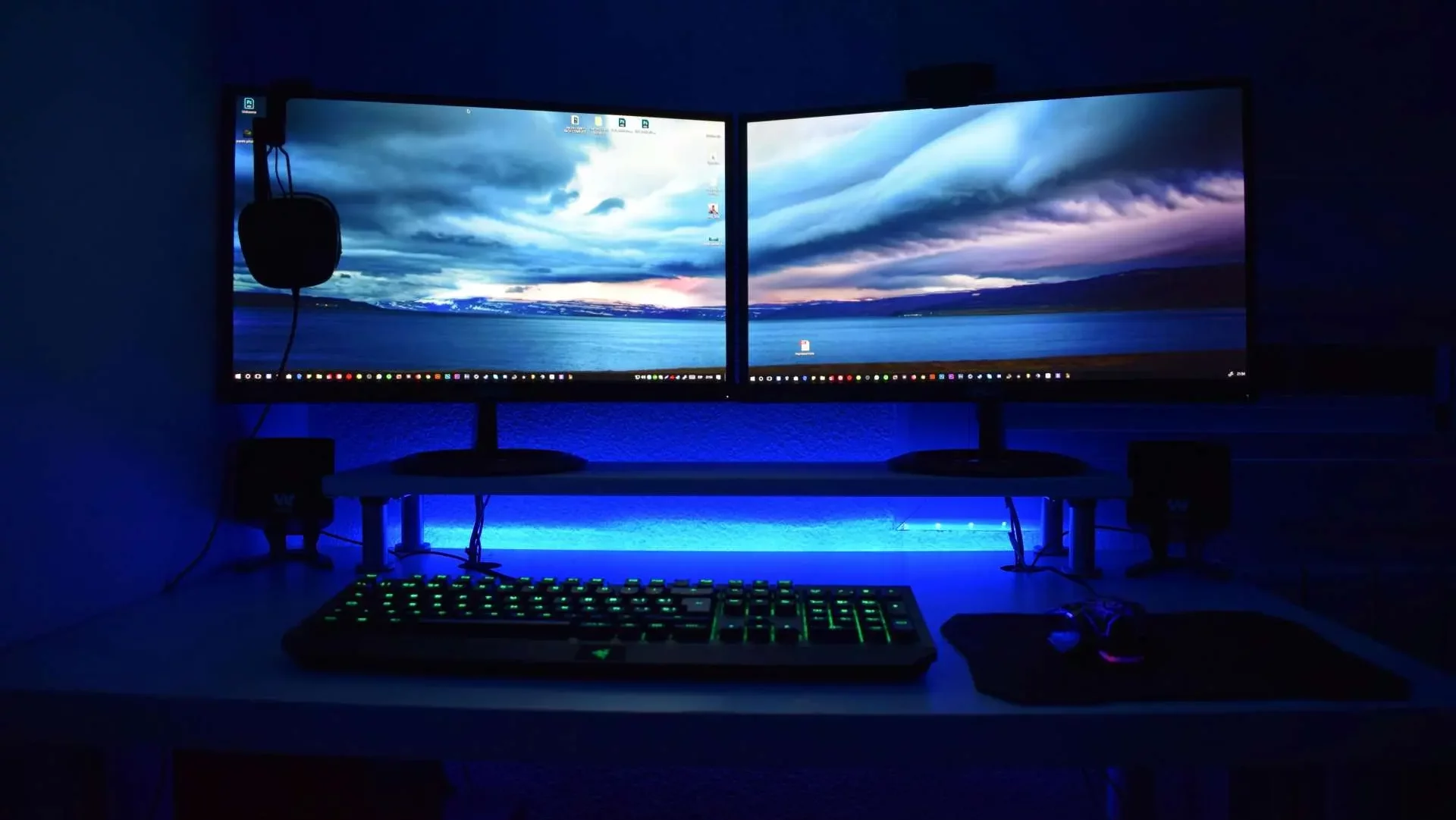
Modern gaming is no longer just about owning a console or a powerful graphics card. It has evolved into a broader ecosystem where accessories can meaningfully improve comfort, precision, immersion, and even accessibility. Some tools have become almost standard — like quality headphones or a reliable controller — while others sit firmly in “enthusiast territory,” yet still solve real problems: awkward mobile controls, cluttered PC setups, online latency, or fatigue during long sessions.
A huge portion of gaming today also unfolds online. Matchmaking systems, cloud gaming, streaming, social features, and persistent worlds have turned connectivity into a core part of the experience. That means your setup extends beyond hardware to include your network quality and the digital environments you choose, from multiplayer servers and voice platforms to broader entertainment ecosystems such as online casino sites, where performance, stability, and privacy considerations overlap with the wider online landscape.
Below is a structured look at some of the most interesting and practical gadgets available right now, organized by how and where you play.
Smartphone gaming that feels closer to a handheld console
Controller attachments that transform your phone: telescopic controllers effectively turn a smartphone into a portable console. With physical sticks, triggers, and ergonomic grips, they offer far more precision than touch controls alone. This makes fast-paced genres like shooters, racing games, and action titles significantly more enjoyable and less fatiguing.
Their real advantage isn’t just performance — it’s consistency. Muscle memory becomes possible, and sessions feel more natural, especially when paired with cloud gaming or remote play features.
Cooling accessories for stable performance: high-end mobile games and streaming sessions generate heat, which can lead to thermal throttling and frame drops. Clip-on cooling fans may look like niche gadgets, but they help maintain stable performance and keep devices comfortable to hold during long play sessions.
When choosing one, balance cooling power with portability and noise levels so it fits your play style rather than becoming a distraction.
Compact USB-C hubs for flexible setups: a small hub can unlock a surprisingly versatile experience. Charging while playing, connecting to an external display, adding wired internet, or using peripherals. For players who occasionally want a “desktop-like” session without leaving mobile, this is one of the most underrated upgrades.
PC accessories that boost control and immersion
Eye tracking for more natural interaction: eye-tracking devices bring subtle but impactful changes to gameplay. They can adjust camera movement, highlight UI elements, or respond to gaze direction, adding a layer of intuitive control. The effect is especially noticeable in simulation and first-person experiences where situational awareness matters.
Rather than making games easier, this technology often makes them feel more responsive and immersive.
Programmable control pads for streamlined workflows: gaming on PC often means juggling launchers, overlays, communication apps, and streaming tools. A programmable control pad with customizable keys can centralize those actions into tactile shortcuts, reducing interruptions and keeping you focused.
It’s not just for content creators — even casual players benefit from faster, cleaner control over their environment.
Haptic feedback systems for physical immersion: seat-mounted vibration transducers and haptic devices convert in-game audio or telemetry into physical feedback. In racing or flight simulations, they can communicate road texture, engine rumble, or environmental effects in ways that enhance awareness and realism.
They don’t improve performance directly, but they deepen the sensory connection to what’s happening on screen.
Wearable haptic gear for VR and beyond: haptic vests and similar wearables expand feedback from hands to the torso, creating directional sensations that strengthen spatial perception. In virtual reality, this can dramatically increase presence, but even non-VR titles can benefit when supported.
Because compatibility varies, it’s wise to check which games integrate meaningfully with the hardware before investing.
Console and living-room comfort upgrades
Dedicated remote play devices: remote play hardware allows access to your console experience without occupying the main TV. For households where screens are shared, this adds flexibility and keeps gaming sessions convenient without sacrificing the core experience.
It’s less about replacing the console and more about extending where you can enjoy it.
Accessibility-focused controllers: among the most impactful innovations are devices designed to accommodate diverse physical needs. Modular controllers and adaptive hubs enable players with limited mobility to tailor their inputs, making gaming more inclusive and customizable.
Beyond accessibility, these tools highlight how flexible control schemes can benefit everyone, encouraging more thoughtful design across the industry.
The “invisible” upgrade: your network
Modern routers and low-latency optimization: for online gaming, responsiveness often matters more than raw graphical power. Newer routers with advanced wireless standards and traffic prioritization features can reduce congestion and stabilize connections, especially in homes filled with connected devices.
However, the most effective improvement is often the simplest: using wired connections where possible and optimizing router placement before investing in new hardware.
How to choose gadgets that actually make a difference
Focus on compatibility first: check whether your favorite games or platforms support the accessory’s features. Even the most advanced gadget adds little value without proper integration.
Prioritize real impact over novelty: comfort, reliability, and ease of use typically deliver more long-term benefit than flashy features alone.
Consider your play habits: a competitive player may gain more from precision tools and network upgrades, while a casual or single-player enthusiast might appreciate immersion-focused accessories.
Think about ergonomics: reducing strain and improving posture can enhance both performance and enjoyment, especially during extended sessions.