
Bottoming is about more than fibre: What gay and bisexual men need to know about gut health (EXCLUSIVE)
Daniel O'Shaughnessy's new book The Queer Guide to Nutrition and Lifestyle tackles something that's long been missing from mainstream wellness advice – guidance that's actually written with LGBTQ+ people in mind

Most nutrition advice is not wrong, but it can feel remarkably detached from the lives of the people expected to follow it. We are told to eat enough fibre, hit our protein targets, drink enough water, manage stress, and eat a balanced diet, yet those recommendations rarely come with a conversation about why they might matter differently if you are a gay or bisexual man who bottoms and simply wants to have sex without spending half the evening worrying about what your bowel might do.
Preparation can become a stressor in itself for many, and fibre supplements are increasingly part of the conversation, with products containing ingredients such as psyllium husk now marketed specifically towards people who bottom. As a nutritionist specialising in queer health, however, I want to bring attention to something that gets lost in the focus on fibre: feeling clean, comfortable and confident during anal sex depends on much more than just putting some psyllium husk into a smoothie.
The consistency and predictability of a bowel movement reflect the whole digestive process, from what and how we eat through to how well our gut is functioning day to day. Fibre can support that process, but it cannot compensate for everything else that may be affecting it.
So, rather than treating fibre as the answer, it is worth asking a more useful question: why is the bowel behaving the way it is in the first place?
What does a “healthy” bowel movement actually look like?
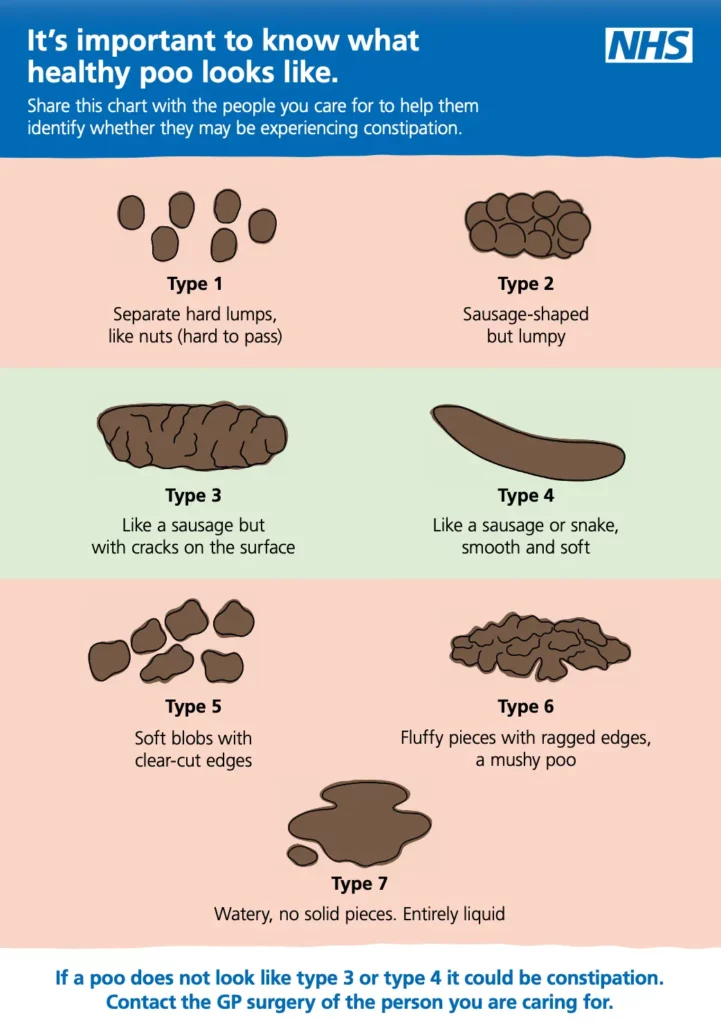
Many people assume that feeling clean when bottoming means having an empty bowel, but in reality, it is much more about having regular and predictable bowel movements. Generally, stools should be soft, formed and relatively easy to pass, broadly corresponding to types 3 and 4 on the Bristol Stool Chart. When bowel movements are regular and complete, there is usually less residue and therefore less need to rely on extensive preparation before sex.
Fibre can be particularly helpful here, but not all fibre behaves in the same way. Soluble fibre, found in foods such as oats, chia and psyllium husk, absorbs water and forms a gel that can help create a softer, more cohesive stool, while insoluble fibre, found in whole grains, vegetable skins, nuts and seeds, adds bulk and helps move material through the bowel. Both are important, although some people find that keeping soluble fibre relatively high while easing back on very bulky insoluble fibre before planned sex can make preparation easier, as insoluble fibre adds bulk and can mean more stool is moving through the bowel at that time.
Fibre also works best alongside adequate hydration, particularly as soluble fibre absorbs water as it moves through the gut. But if you are already eating enough fibre and drinking enough fluid and you are still experiencing loose or unpredictable bowel movements, constipation, bloating, excessive or foul-smelling gas, abdominal discomfort or other persistent digestive symptoms, it is worth looking beyond fibre and considering what else may be affecting your digestion.
Beyond fibre

In my clinical work, I look at whether meals are regular, whether food is being eaten slowly and chewed properly, and whether the overall diet is varied enough to support the gut, including plenty of different plant foods and, where tolerated, fermented foods. I also look for patterns between food and symptoms, because a particular food may be contributing to bloating, gas or changes in bowel movements. A short, structured trial of removing a suspected trigger can sometimes be useful, rather than unnecessarily removing several foods at once. Stress, poor sleep, medication and lifestyle also form part of that picture.
Medication is also worth considering because changes in digestion are not always coming from food. GLP-1 medications such as semaglutide can slow digestion and contribute to nausea, constipation or diarrhoea, while antibiotics such as doxycycline (doxy-Pep) may temporarily disrupt the gut and cause digestive symptoms. Some people also use anti-diarrhoeals such as loperamide to try to make bowel movements more predictable around sex, but repeatedly relying on them can interfere with the bowel’s normal rhythm.
Our eating patterns around sex and nights out can also have a significant effect on digestion. Restricting food because you are planning to bottom, skipping meals to look leaner, drinking alcohol, using recreational drugs, becoming dehydrated and getting very little sleep can all affect digestion. If several of those things happen over the same weekend, it is hardly surprising if the gut feels less predictable afterwards. Rather than compensating by restricting further, returning to regular meals, fluids and your usual fibre intake can help the digestive system settle back into its normal rhythm.
Sometimes, though, persistent digestive symptoms need more than a change in diet. Ongoing bloating, excessive or foul-smelling gas, constipation, loose or greasy stools, pain or a significant change in bowel habits may warrant medical investigation for underlying causes such as inflammation, problems with digestion or absorption, bacterial overgrowth or infection. For gay and bisexual men, there can also be an added barrier in explaining why those symptoms are affecting quality of life. Telling a medical professional that you have digestive problems is one thing; explaining that they are affecting bottoming, douching or your confidence during sex can feel much more exposing, particularly if you are unsure how comfortable or knowledgeable that clinician is around queer sexual health.
What can help:
- Keep a short record of what you eat alongside your bowel movements and symptoms to see whether genuine patterns emerge.
- If you are trialling the removal of a particular food, remove it for a defined period, usually around two weeks, and make one change at a time rather than cutting out several foods at once.
- Eat regularly and give yourself time to properly chew and digest your meals.
- Aim for variety rather than restriction, including different sources of fibre, colourful plant foods and fermented foods such as live yoghurt, kefir, kimchi or sauerkraut, if you tolerate them.
- If you are experimenting with fibre or changing what you eat before sex, try it on a low-pressure day first so you can see how your gut responds rather than testing something new when you really want it to work.
- Look for patterns over several days rather than reacting to one unusual bowel movement, as digestion can shift with stress, sleep, travel, medication and changes in routine.
The goal is not a permanently “perfect” gut, but a digestive system that is more consistent, predictable and easier to understand. If symptoms are persistent or difficult to explain, speak to a suitably qualified healthcare practitioner who can help clarify what may be driving them and, where appropriate, arrange further investigation including stool testing where clinically indicated.
And even with the best preparation, accidents can still happen. That is simply part of having sex involving a digestive tract, and it is something we should be able to talk about without embarrassment or shame.
Daniel O’Shaughnessy is a nutritionist, functional medicine practitioner and therapist specialising in LGBTQ+ health. With 15 years of experience, his work explores the connections between nutrition, minority stress, body image, mental health and identity. He is the author of Letting Go of Perfect: A Gay Man’s Guide to Healing from Body Dysmorphia. His new book The Queer Guide to Nutrition and Lifestyle is out now, published by Jessica Kingsley Publishers.