
Sharon D Clarke makes history as first Black lesbian Othello at the RSC
The three-time Olivier Award winner has been cast in director Monique Touko's new production of Shakespeare's tragedy
By Callum Wells
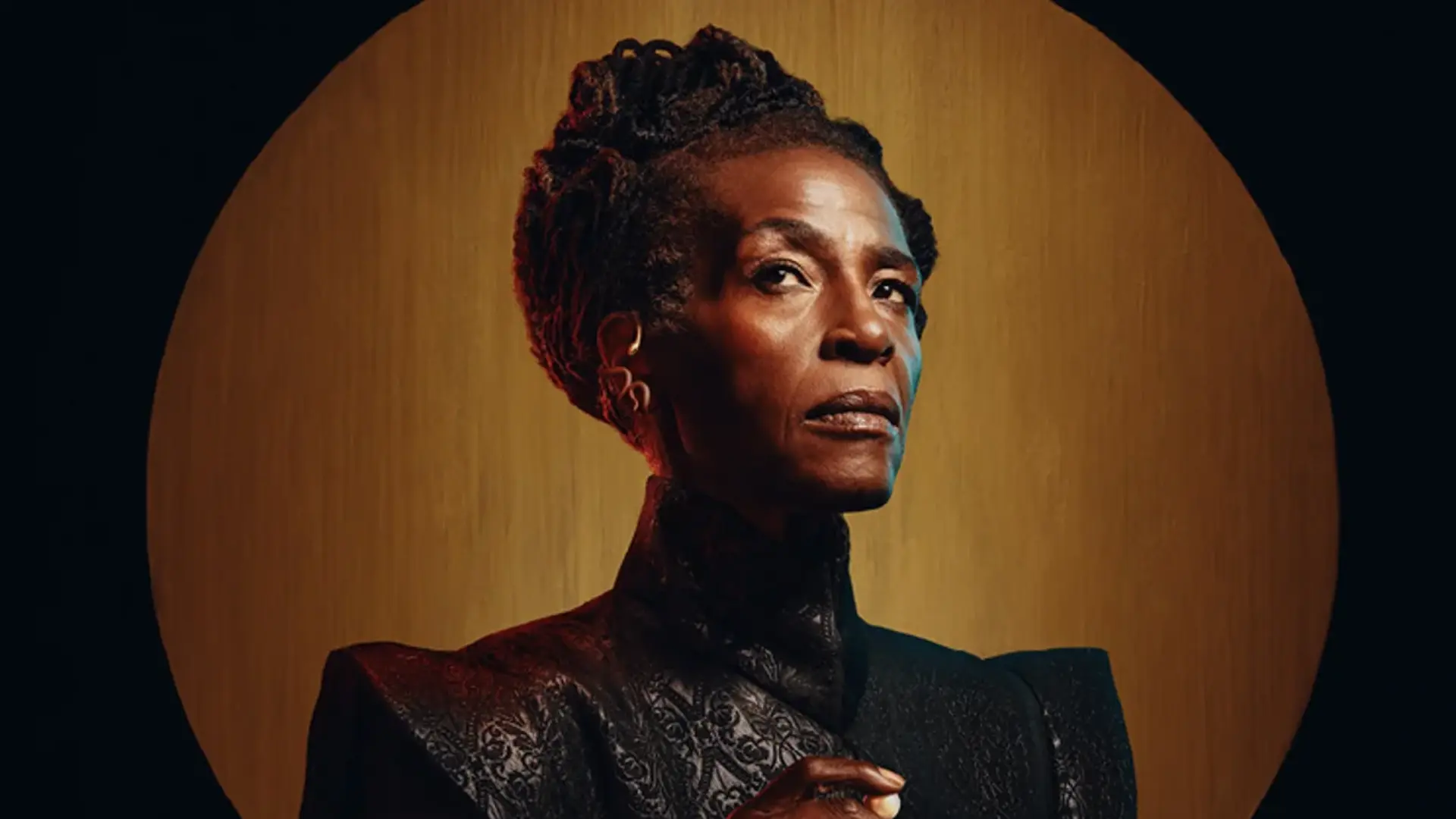
Sharon D Clarke will make history next year as the first actor to play a Black lesbian Othello for the Royal Shakespeare Company.
The three-time Olivier Award winner has been cast in director Monique Touko’s new production of Shakespeare’s tragedy, which reimagines the title character as a Black lesbian and relocates the story to a climate-threatened future.
Running at the Swan Theatre in Stratford-upon-Avon from 13 February to 3 April 2027, the production will explore Othello through the lens of misogynoir – the intersection of anti-Black racism and misogyny.
How the RSC is reinventing Othello
Written in the early 1600s, Othello follows a respected military leader whose secret marriage to Desdemona begins to unravel after the manipulative Iago convinces Othello that their partner has been unfaithful. As jealousy takes hold, the play builds towards one of Shakespeare‘s best-known tragedies.
The title role was originally performed by Richard Burbage, a leading member of Shakespeare’s King’s Men theatre company. More than 200 years later, Ira Aldridge became the first Black actor to win widespread acclaim for playing Othello, helping reshape the role’s history. Since then, the character has been portrayed by actors including Paul Robeson, James Earl Jones, Laurence Fishburne and Chiwetel Ejiofor.
Who is Sharon D Clarke?
Clarke has enjoyed an acclaimed career across stage and screen. She is a three-time Olivier Award winner, with theatre credits including Caroline, or Change, Death of a Salesman, Ghost the Musical and We Will Rock You. Television audiences will also know her from Holby City, Doctor Who and Ellis, where she became the UK’s first Black woman to lead a detective drama.
Born in London to Jamaican parents who arrived in Britain as part of the Windrush generation, Clarke has previously spoken about being repeatedly typecast early in her career before deciding she would no longer audition for stereotypical roles.
Announcing the company’s new season, Royal Shakespeare Company co-artistic directors Daniel Evans and Tamara Harvey said: “We want to ensure that as many people as possible feel welcome at the RSC through the stories we choose to tell and the artists who tell them, re-examining 400-year-old texts through an urgent new lens.”
The production forms part of the Royal Shakespeare Company’s 2026-27 season and marks Clarke’s first appearance with the company.