
Shao Hao on identity, loss and the EP that finally lets him speak for himself: ‘I’m finally telling my own story’ (EXCLUSIVE)
The singer-songwriter's album S.H.17 is out now
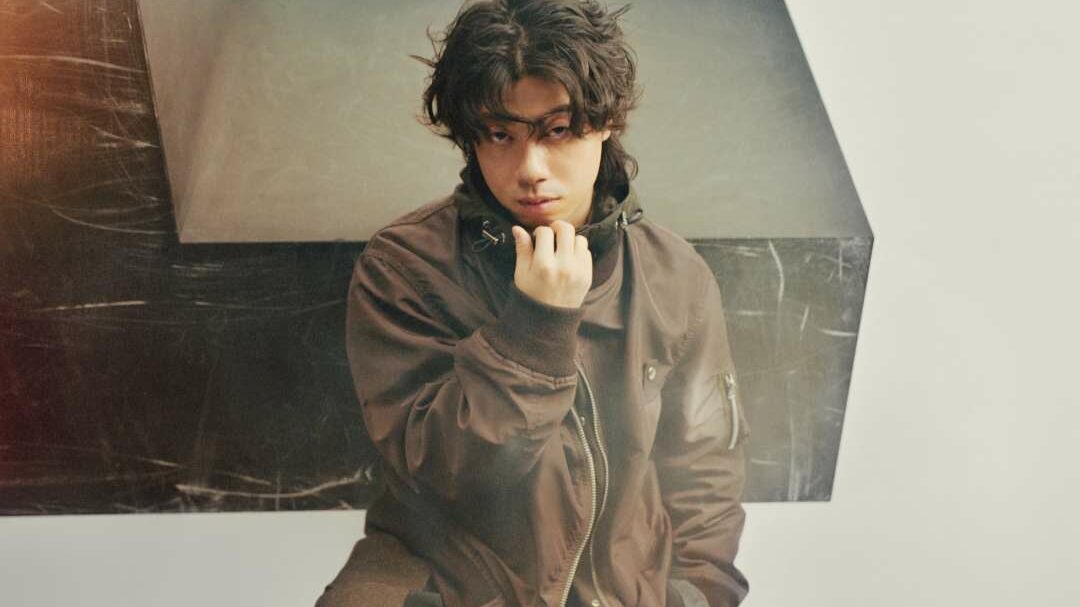
After years writing hits for other artists, Shao Hao is stepping into the spotlight with his debut EP S.H.17, out today.
The record is framed as a conversation between his current self and the 17 year old who arrived in the UK from China, unsure of where he fit.
Across its tracks, the singer-songwriter draws on his experiences as a queer Asian artist to explore belonging, grief and the process of becoming comfortable in your own skin, blending the British influences he grew up on with the emotional pop traditions of Asia.
To mark the release, Shao Hao spoke about the EP’s themes, the loss that shaped its most personal song, and why visibility continues to mean so much to him.
Congratulations on your new EP ‘S.H.17’! Can you give us a sense of the themes running through the project? How do they connect to your personal journey and creative vision?
Shao Hao: S.H.17 is a time-travel conversation between my present self and my seventeen-year-old self. When I moved from China to the UK at that age, I suddenly found myself in a completely new culture, trying to figure out who I was, not just musically, but personally as well. The EP explores themes of belonging, identity, self-acceptance and healing. Each song feels like a letter across time, reminding that younger version of me that even when you feel lost or different, those differences eventually become your strength.
At its core, S.H.17 is about finding home, not necessarily in a place, but in yourself.
How does this release mark the next chapter of your journey as both a songwriter and a solo artist? And compared to your previous releases, how does this EP differ in sound, storytelling or production approach?
For many years I worked mainly as a songwriter behind the scenes, writing for other artists across Asia. That experience taught me how to tell stories through music and how to serve a song emotionally. With S.H.17, I’m finally telling my own story. It feels much more personal and vulnerable.
Sonically, it’s also where my two worlds meet. I grew up loving British artists like Adele and Coldplay, but I’m also deeply influenced by the emotional storytelling of Asian pop. This EP blends those influences, somewhere between Brit-pop and K-pop.
Can you share a bit about your journey and experience of discovering and embracing your queer identity? How important do you feel representation and visibility remains for the LGBTQIA+ community, and do you think it’s especially crucial today to inspire young queer people?
Growing up, I didn’t see many people around me who looked like me or shared my experience, especially as someone who is both Asian and queer. For a long time I felt like I existed between worlds. Moving to London helped me slowly understand myself more clearly. Music became a space where I could process those feelings safely and honestly.
Representation matters because it reminds people they’re not alone. When young queer people see someone living authentically, it can give them permission to imagine a future where they belong.
During my school tours, I’ve received messages from students telling me they felt safe enough to come out after hearing me speak about diversity and identity. Moments like that are incredibly moving, and they remind me why visibility is still so important. If my music or my story can help even one person feel a little less alone, that means everything to me.
Before stepping into the spotlight, you wrote songs for artists like Stefanie Sun and Angela Zhang. How did that behind-the-scenes work shape your confidence and your sense of artistic identity?
Working with artists like Stefanie Sun and Angela Zhang was incredibly formative for me.When you write for other artists, you learn to listen deeply, to understand their stories, their emotions, and how to translate that into music. It teaches humility and craftsmanship.
It also gave me confidence. Seeing songs I wrote connect with billions of listeners made me realise that my voice as a songwriter had value. Eventually that gave me the courage to step forward and share my own story as an artist.
When your demo of ‘White Horse’ became the ending theme for The Victims’ Game, it was a turning point for your visibility. What did it feel like to have such a personal song reach a mainstream audience?
It was surreal. The song started as a very personal demo, and suddenly it was reaching a huge audience through The Victims’ Game. What moved me the most was hearing from listeners who connected deeply with the song. Some people even told me that it helped them through periods of depression and gave them comfort during difficult times. Hearing that was incredibly humbling. Moments like that make you realise how powerful storytelling through music can be.
You’ve written for major TV and anime projects, including Kamitsubaki City Under Construction. How do you balance creating music to brief for productions, while staying true to your own voice?
Writing for visual media is a fascinating challenge. Projects like Kamitsubaki City Under Construction often come with very specific emotional or narrative briefs. But I’ve learned that the best way to serve those stories is still to write from a genuine emotional place. Even when the setting is fictional, the feelings need to be real. So the balance comes from finding the human emotion inside the story. That’s where my voice naturally lives.
Around a decade ago, you were a resident artist at the Roundhouse in London. How did that period influence your artistry and your perspective on music and community?
My time at the Roundhouse was incredibly important for my development as an artist. It was the first time I felt part of a creative community in London. I was surrounded by musicians from all different backgrounds, all experimenting and supporting each other. That environment taught me that music isn’t just about individual success. It’s about connection, collaboration and community.
Your songs often explore identity and self-expression. How do those themes guide the stories you tell in your music?
For me, songwriting has always been a way of understanding myself. When you grow up between cultures and identities, you often spend a lot of time asking questions about who you are and where you belong. Those questions naturally become stories in my songs. I think many people, especially young people, are going through similar journeys. Music can create a space where those feelings are shared and understood.
You’ve mentioned wanting young people to feel that it’s cool to be different. When you hear from fans, what messages or reactions stick with you the most?
I remember receiving a message recently from a young fan who told me that hearing my story and my music gave them the courage to come out. That moment really stayed with me. Messages like that remind me why I started making music in the first place. It’s about creating a space where people feel seen, understood and a little less alone. If my music can help someone feel proud of who they are, then that means everything to me.
Your career has included milestones like a nomination at Taiwan’s Golden Bell Awards. In moments like that, do you feel you’re representing more than just your music?
Being nominated at the Golden Bell Awards was an incredible honour. But moments like that also remind me that representation matters. As an Asian artist working internationally, and as someone who openly embraces their identity, I hope it shows that creative paths don’t have to fit into one narrow definition. Music is global now, and our stories can travel across cultures.
Looking ahead, what do you hope your journey as a solo artist can show or inspire in emerging musicians?
I hope it shows that you don’t have to follow a traditional path to build a career in music.I spent years writing behind the scenes before stepping forward as an artist, and that journey shaped who I am creatively. If there’s one message I hope people take from my story, it’s that your differences and your personal history can become your greatest artistic strengths.
Are there any songs on the EP that hold special meaning for you? What makes them stand out?
‘Dance in the Dark’ is probably the most personal song on the EP, and it’s not an easy story to tell. Three years ago, I lost someone very dear to me. He was my ex-partner, James, and he passed away after struggling with his mental health. James was born with a rare genetic eye condition called Stargardt disease, which meant he was gradually losing his vision and would eventually become blind in his thirties. That reality affected him deeply.
Writing this song was my way of processing that loss. ‘Dance in the Dark’ is about those moments in life when everything feels overwhelming and uncertain, but somehow you still try to keep moving forward. It also reminded me that sometimes the happiest person in the room may be the one struggling the most. That’s why kindness and empathy are so important. Sometimes just checking in on someone can make all the difference.
I wanted this song to carry a message of hope. There is always someone who will be there for you and love you, even in the darkest moment.
Did you collaborate with other artists, producers or songwriters on the project? How did those collaborations shape the final sound?
I worked with several incredible producers and songwriters across the UK and Asia, including K-pop writers Kanata Okajima (BTS, Twice), Mojo ((G)I-DLE, Treasure) and Jayins (CRUSH), and Brit-pop producers like Cheap Cut (Sam Ryder, Rudimental). Those collaborations helped shape the sound of the EP and allowed different musical influences to come together naturally.
Have recent global events or personal experiences influenced the tone or messages of the EP?
Absolutely. The past few years have been a time where many people have been reflecting on identity, belonging and connection. For me personally, performing across UK schools and meeting thousands of young people has also been incredibly inspiring. Hearing their stories reminded me how universal those feelings of searching for identity really are. That energy definitely found its way into the music.
If you had to describe the overall feeling or mood of the EP in three words, what would they be, and why?
Hope. Honesty. Home.
Hope, because the songs are about believing in a future where you can be yourself.
Honesty, because the stories come from very personal experiences.
And home, because the EP is really about discovering that the place you belong most is within yourself.
S.H.17 is out now on all streaming platforms.