
Who is Templo? The sexy gay pole dancer from Tryst Hotels busting it down at World Pride 2026 (EXCLUSIVE)
Speaking to Attitude, The Tryst Puerto Vallarta pole dancer opens up about his love of performing and why he is bringing "sensuality" to WorldPride
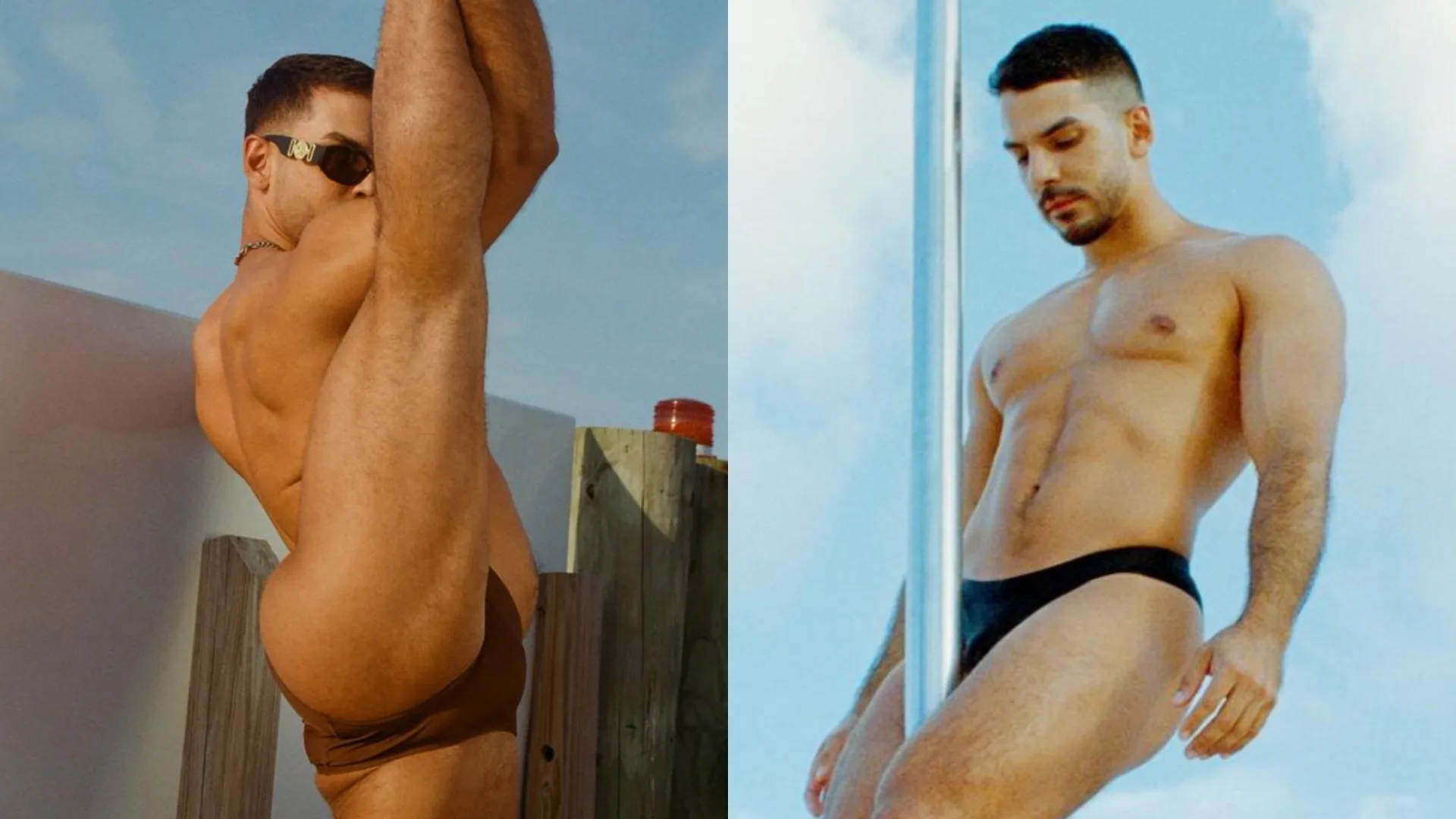
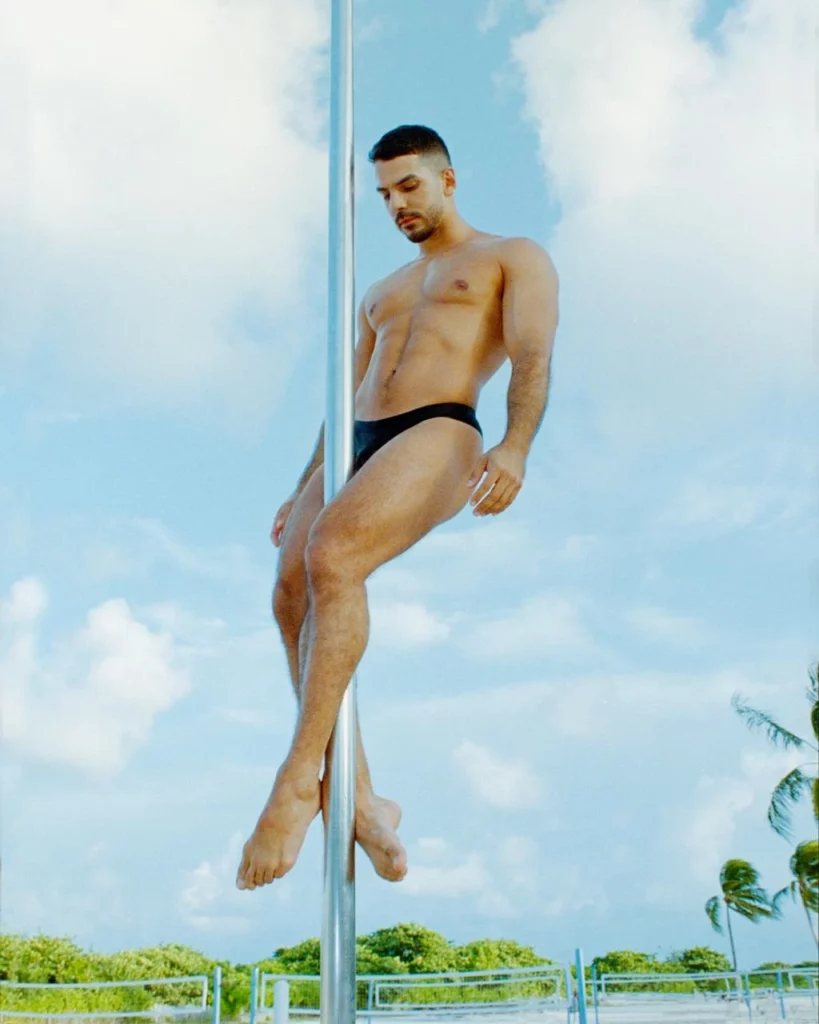
Award-winning aerial and pole performer Templo is set to light up WorldPride 2026 at the Tryst Hotels pop-up on 1 August. Representing queer and Latin American talent on the global stage, Templo has more than 10 years of performance experience and is reclaiming pole dancing as a powerful performing art.
He works with Tryst Hotels, a luxury gay hotel brand that operates across Mexico, Puerto Rico, New York, Brazil, Illinois and Florida. Although the company does not have a hotel in Amsterdam, the host city of WorldPride 2026, it is bringing its talent to the queer extravaganza, with Templo set to perform for an estimated 500,000 spectators celebrating the LGBTQ+ community.
Speaking exclusively to Attitude, The Tryst Puerto Vallarta pole dancer opens up about his love of performing and why he is bringing “sensuality” to WorldPride.
Attitude: Who is Templo?
Templo: Templo is a pole artist and performer from Costa Rica, currently based in Puerto Vallarta. I began my dance journey about 10 years ago with aerial arts and later fell in love with pole. Today, I perform nightly at The Tryst Puerto Vallarta, train dancers, judge competitions, and share my art on social media. I am also invited to perform at events and venues around the world, allowing me to bring my distinctive style and artistry to international audiences.
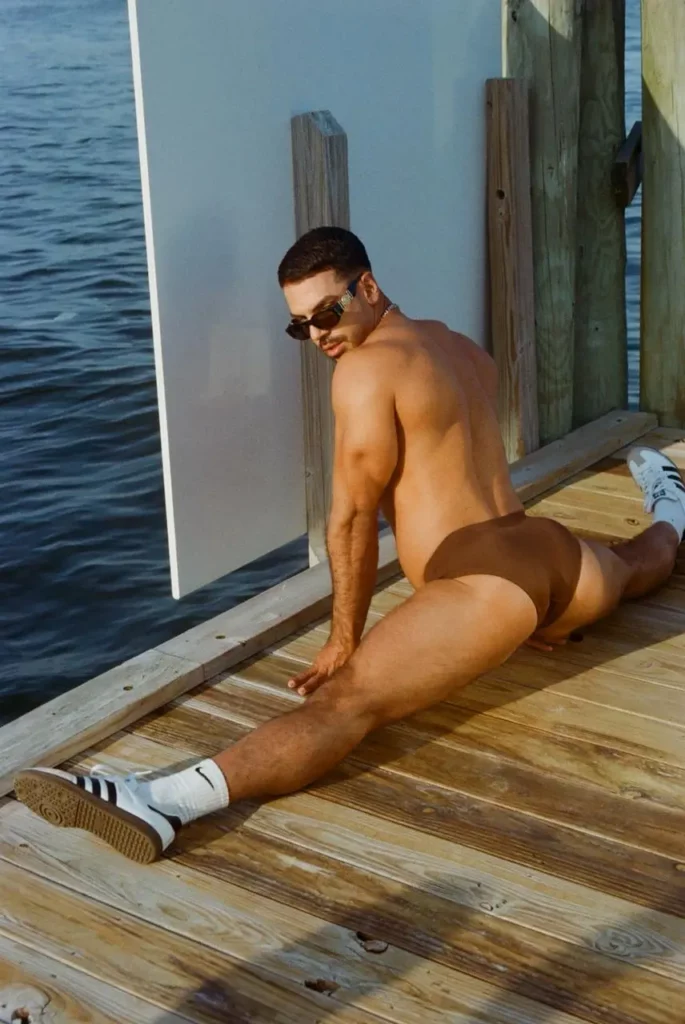
How did you discover pole?
I discovered pole a few years after starting with aerial. I was teaching flexibility classes and a student invited me to try a pole class. The first time I got on the pole, something clicked. It combined strength, flexibility, sensuality, and expression in a way nothing else had. Pole chose me.
Was there a moment you realised this could become your career?
Yes. It was when people started telling me they felt inspired by my dancing, admired my work, and wanted to learn from me.
What does performing mean to you?
Performing is my way of connecting with people. It’s about transmitting energy, confidence, and freedom.
What first drew you to Puerto Vallarta, and what has it given you as a performer?
The beauty, the energy, and the freedom of Vallarta.
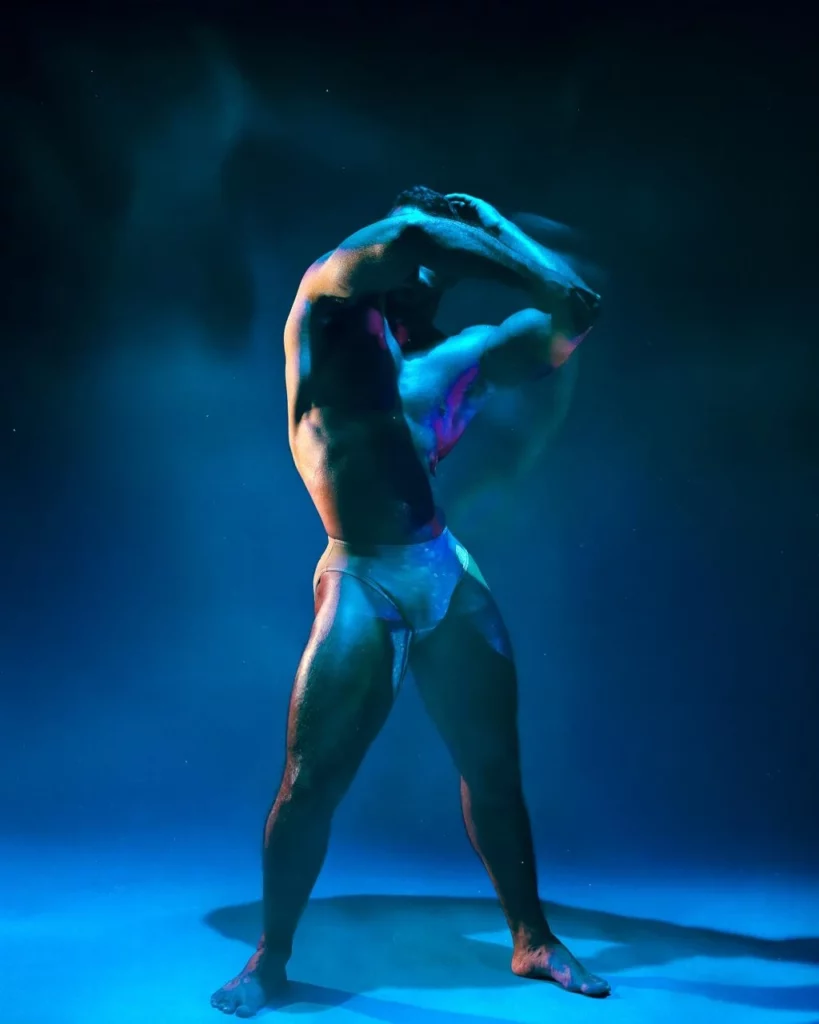
People often underestimate pole. What does it actually take to perform at your level?
You need discipline, and the courage to be vulnerable and powerful at the same time. It’s athleticism + art.
Describe a typical week of training.
I train 5-6 days a week. Usually 2-3 hours daily: pole technique, choreo, conditioning (pull-ups, core, flexibility), and floorwork. I also teach classes, so part of my training is creating routines for my students and for my shows.
What’s the hardest move you’ve ever mastered?
One of the hardest was a very dynamic, high-risk spin combination that required perfect timing and grip strength. Another move I love but struggled a lot with is the Bird of Paradise, it requires huge shoulder flexibility. As I’ve gained muscle mass over time, my flexibility has decreased, so I keep practicing it to not lose one of my favorite moves.
Is pole dancing for everyone?
Absolutely! It doesn’t matter your age, body type, or previous experience. The only thing you really need is patience and dedication. It’s not easy at the beginning, it hurts, you get bruises, and you fall a lot but with time you grow to love it
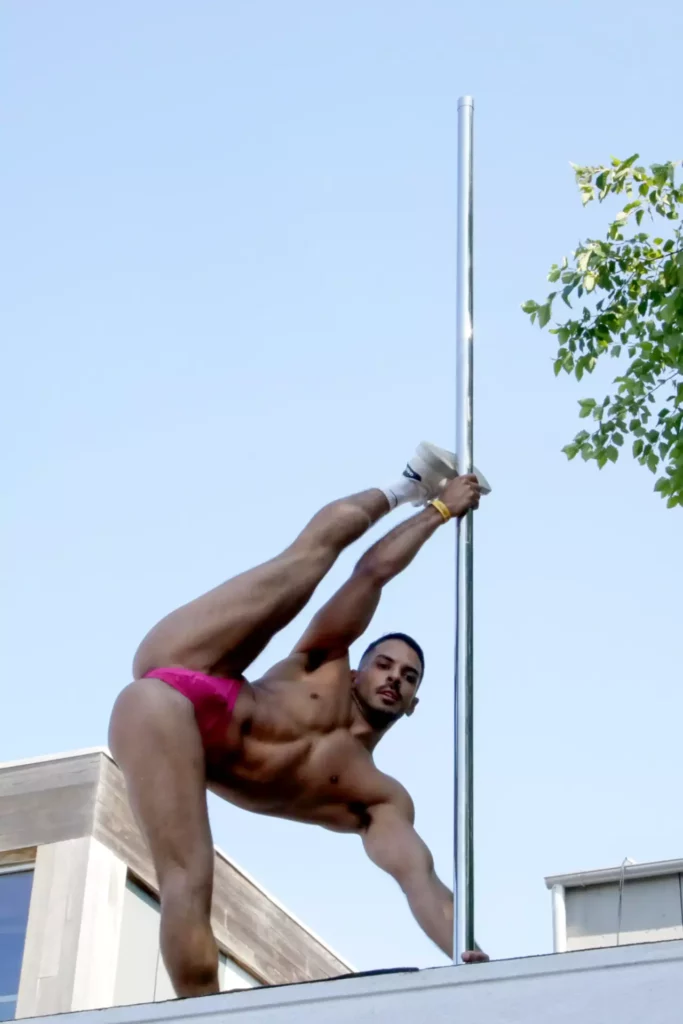
In addition to performing, you train the dancers at The Tryst Puerto Vallarta. What qualities do you look for in a performer?
I look for passion, discipline, a strong work ethic, and individuality. Technique can be developed through consistent training, but a genuine desire to connect with an audience must come from within. The most compelling performers do more than execute difficult movements; they communicate emotion, command the stage, and make every audience member feel part of the experience. I encourage each dancer to discover what makes them unique and then develop the confidence and technical ability to express it fully.
How do you help someone become captivating on stage, not just technically proficient?
I focus on intention, energy, and emotional expression. I teach performers to connect deeply with the music, embrace their own sensuality, and understand the story they want to communicate. Every movement should have a purpose. I also help them develop awareness of the audience; how to hold someone’s attention, create anticipation, and make even a large room feel intimate. Technique gives a performer control, but authenticity, confidence, and connection are what make a performance unforgettable.
One thing audiences don’t realise about pole dancers?
Behind every fluid, graceful movement that looks simple or easy to the audience, there are hundreds of hours of training, bruises, falls, and pure dedication. Making something look effortless is actually the hardest part.
You’re about to perform during World Pride. What does performing on that stage mean to you?
It is an incredible honor to perform on an international stage of this magnitude, alongside exceptional artists and before audiences from around the world. WorldPride is one of the most visible global celebrations of LGBTQ+ culture, so being invited to perform is both a major professional milestone and a meaningful responsibility. It gives me the opportunity to represent queer and Latin American talent at the highest level while elevating pole as a sophisticated and powerful performing art. I want audiences to see its extraordinary athleticism, creativity, discipline, and emotional depth, and to help give pole the recognition it deserves on the world stage.
Is your creative process different when you’re performing for thousands versus an intimate venue?
Yes. On a large stage, I focus on powerful, clean lines, striking silhouettes, and expansive movements that can communicate emotion from a distance. The performance needs to command the entire space and connect with thousands of people at once. In an intimate venue, I can explore greater detail, subtlety, and sensuality. I can make eye contact, respond to individual audience members, and create a personal connection. Both settings require a different kind of presence, and I love the challenge of adapting my artistry while remaining authentic to my style.
What three things would you take to a deserted island?
Probably my phone, mosquito repellent, and sunscreen. My phone, because I would need music to survive. Mosquito repellent, because no matter where I go, mosquitoes always find me and eat me alive. And sunscreen, because the sun and I are not exactly friends.
Where is the most surprising place you have pole danced?
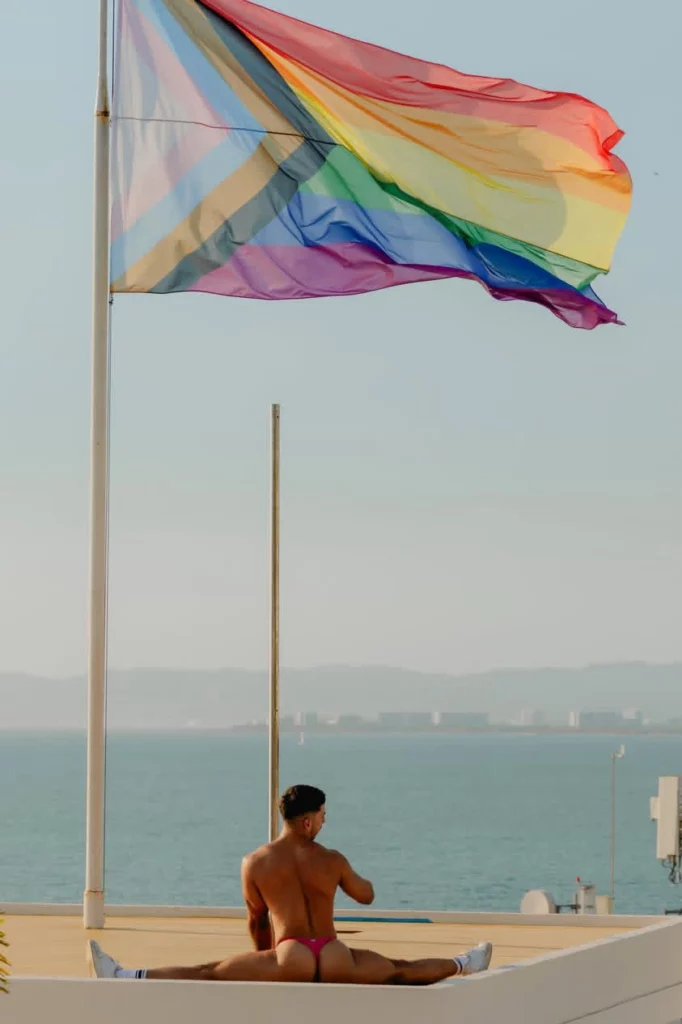
One of the most surprising places was in Cancún, where I had been invited to judge a pole competition. I also performed on a stage with the incredible turquoise Caribbean Sea behind me, which was magical. Although performing every night on The Tryst Puerto Vallarta’s eighth-floor rooftop, with panoramic views across the Banderas Bay, is very difficult to beat.
Do you feel you’ve ever been fetishised for your pole content?
Sensuality naturally attracts attention, but I always try to show that there is much more to pole. It is an art form that requires extraordinary strength, discipline, technique, creativity, and emotional expression. Sensuality is an important part of my work, and I embrace it, but it does not define the full scope of my artistry. I want people to appreciate both the physical skill behind each movement and the story I am telling through the performance.