
Revisiting Amy Winehouse’s Back to Black 20 years on: ‘She represented the beauty of being messy’
Twenty years on from its release, Joseph Ryan-Hicks gives Amy Winehouse’s enduring pop classic a spin: the devastating yet beautiful Back to Black
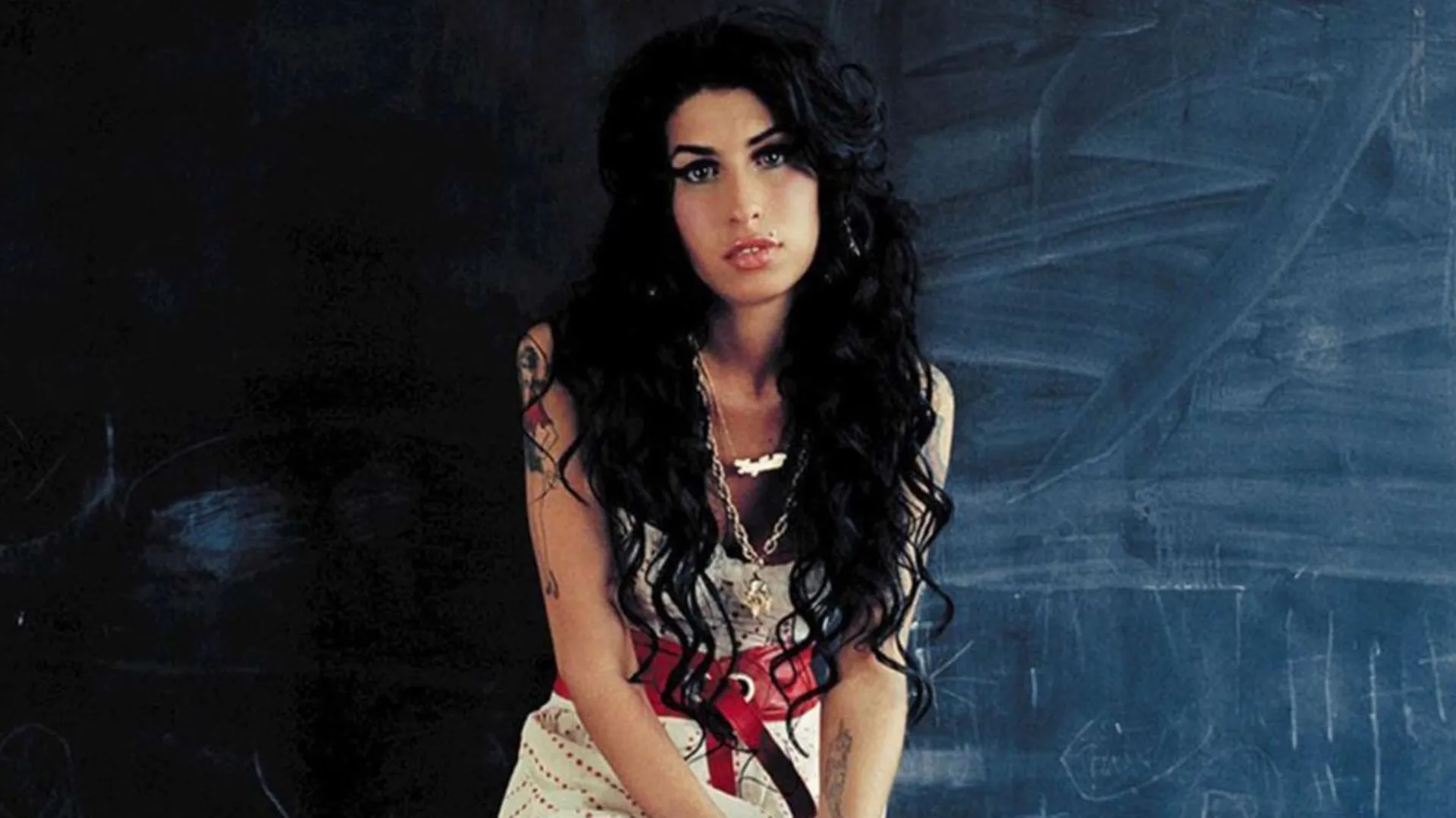
At a time when the charts were dominated by glossy pop and slick R&B, Amy Winehouse reappeared a mere three years on from her debut, 2003’s Frank, with a huge beehive, prominent black eyeliner, and an unapologetically candid account of a messy love story. The sound was raw; her heartbreak even more so. Her second and, devastatingly, final studio album would transform the sound of pop music for years to come and establish her as one of the most important artists of all time.
The centrepiece of Back to Black is, of course, its pain. Written in the aftermath of Winehouse’s troubled relationship with Blake Fielder-Civil, the album is a brutal account of obsession, rejection and self-destruction. On lead single ‘Rehab’, Winehouse turned a deeply personal struggle into a strutting declaration of independence. “They tried to make me go to rehab, but I said, ‘No, no, no,’” became one of the defining hooks of the decade. But beneath its infectious brass section was a young woman laying bare her complicated relationship with addiction and those attempting to control her. Its astonishingly honest lyrics were far removed from the hits littering the charts at the time, and it kicked open the door for similarly “imperfect” artists like Adele and Lily Allen.
Back to Black songs
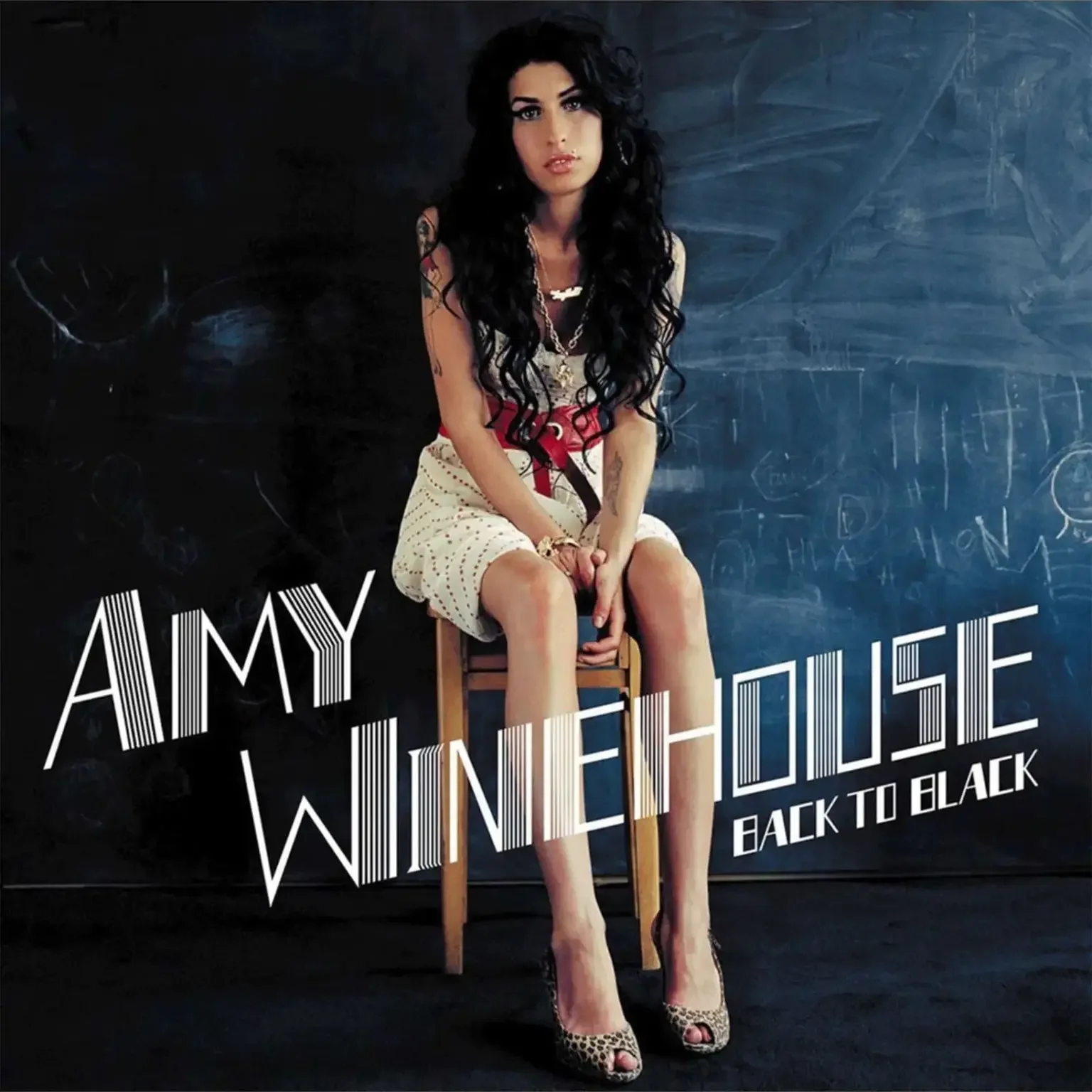
‘You Know I’m No Good’ saw Winehouse confessing her own flaws before anyone else could use them against her. ‘Tears Dry on Their Own’ transformed emotional devastation into something almost euphoric, borrowing from the girl-group melodrama of the past while delivering a modern take on self-empowerment. Then there is the title track, perhaps the album’s most devastatingly beautiful moment. Over bouncy Phil Spector-inspired production, Winehouse sang about falling into depression after watching someone she loves move on. It’s cinematic in its tragedy. But sadly, this wasn’t a movie – for Winehouse, this was real life.
Back to Black’s exploration of emotional extremes is one of the reasons why it has continued to resonate so powerfully with listeners, including those in the LGBTQ+ community. Queer audiences have always had a special relationship with women who refuse to make themselves palatable. From Judy Garland to Madonna, LGBTQ+ fans have gravitated towards women who show up for their art despite obstacles. Winehouse belongs to that tradition. Her affection for gay men was apparent too. When asked whether she considered herself a sex symbol, the quick-witted Winehouse responded: “Only to gays.”
Resonating with the LGBTQ+ community
Winehouse’s vulnerability and authenticity resonated in a way few artists are able to achieve. She did not want to smooth her edges, despite attempts from her label. She was witty, deeply emotional and visibly flawed like the rest of us. For many LGBTQ+ people, particularly those who edit themselves for protection, that refusal to perform a false identity was empowering.
Winehouse’s sexuality has often been discussed since her tragic death in 2011. She was publicly linked to men, but she also spoke openly about having had experiences with women. In interviews, she resisted being defined and discussed her attraction to women in a matter-of-fact way. This has become part of her LGBTQ+ legacy. Rather than retrospectively forcing Winehouse into a label she did not publicly adopt, it is perhaps more respectful to acknowledge that her sexuality may have been somewhat fluid.
The visual world of Back to Black only strengthened Winehouse’s connection with queer audiences. The big hair, tattoos and vintage dresses created an instantly recognisable silhouette that felt part 60s glamour and part Camden nightlife. Winehouse became a drag favourite and a reference for a particular kind of theatrical sadness. It was camp without trying to be, like soap vixens Bet Lynch or Peggy Mitchell.
Inspiring today’s artists
Commercially, Back to Black exceeded expectations. It hit the top spot in the UK and number two in the US Billboard 200 chart. It was certified multi-platinum the world over and won many major awards. Two decades later, this triumphant body of work endures because its emotions remain so recognisable. The songs have become standards, and its influence can still be heard in the work of today’s artists, from Lola Young to RAYE. Back to Black ensured that Winehouse would never be forgotten. For the LGBTQ+ community and beyond, she represented the beauty of being messy, the power of refusing easy labels and the strange, cathartic joy of turning your darkest moments into something worth singing along to.
This feature appears in Attitude’s November/December 2026 issue.