Remembering Roger Butler, the first man to come out publicly as gay in the UK press (EXCLUSIVE)
Gone but never forgotten!
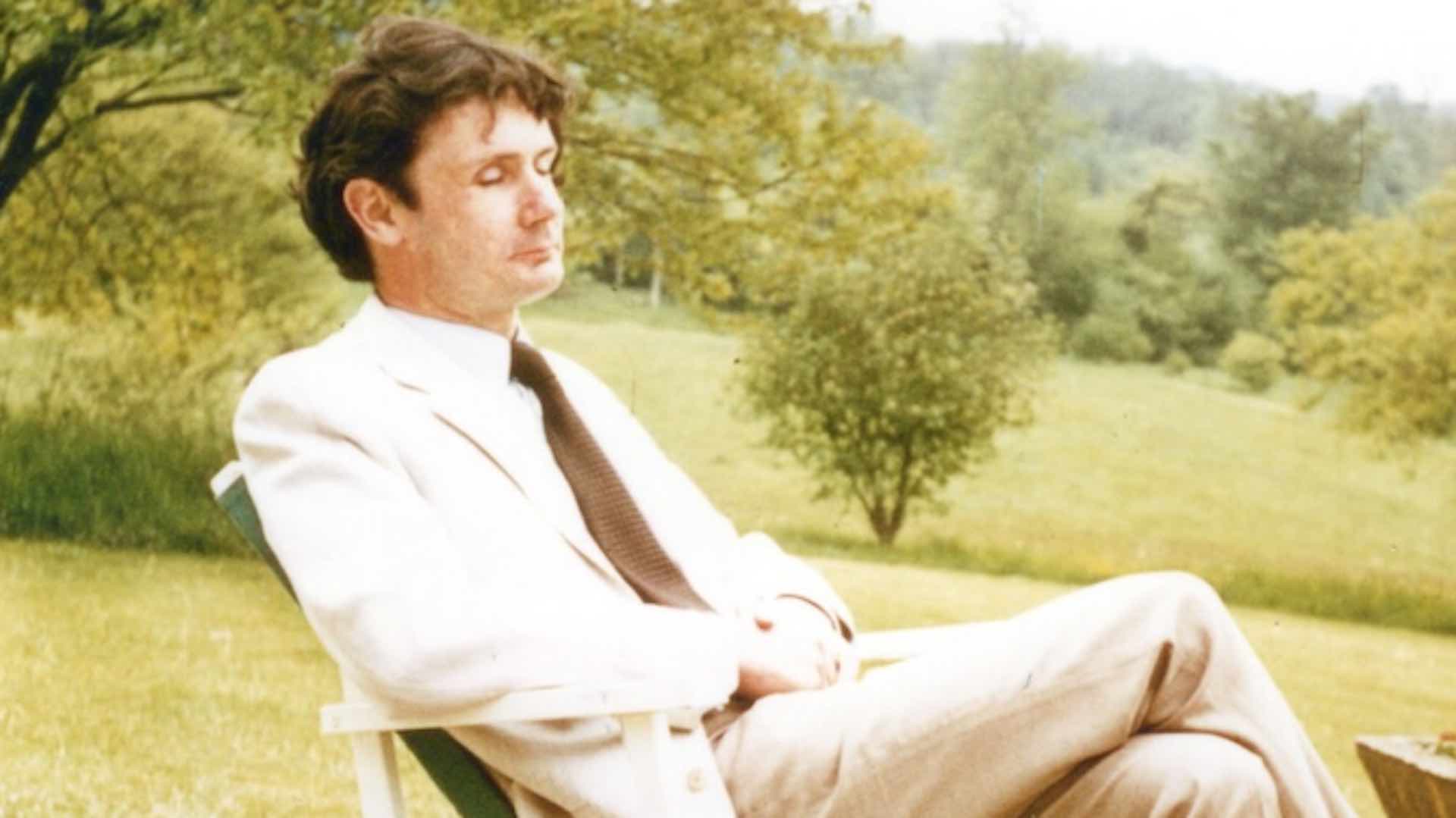
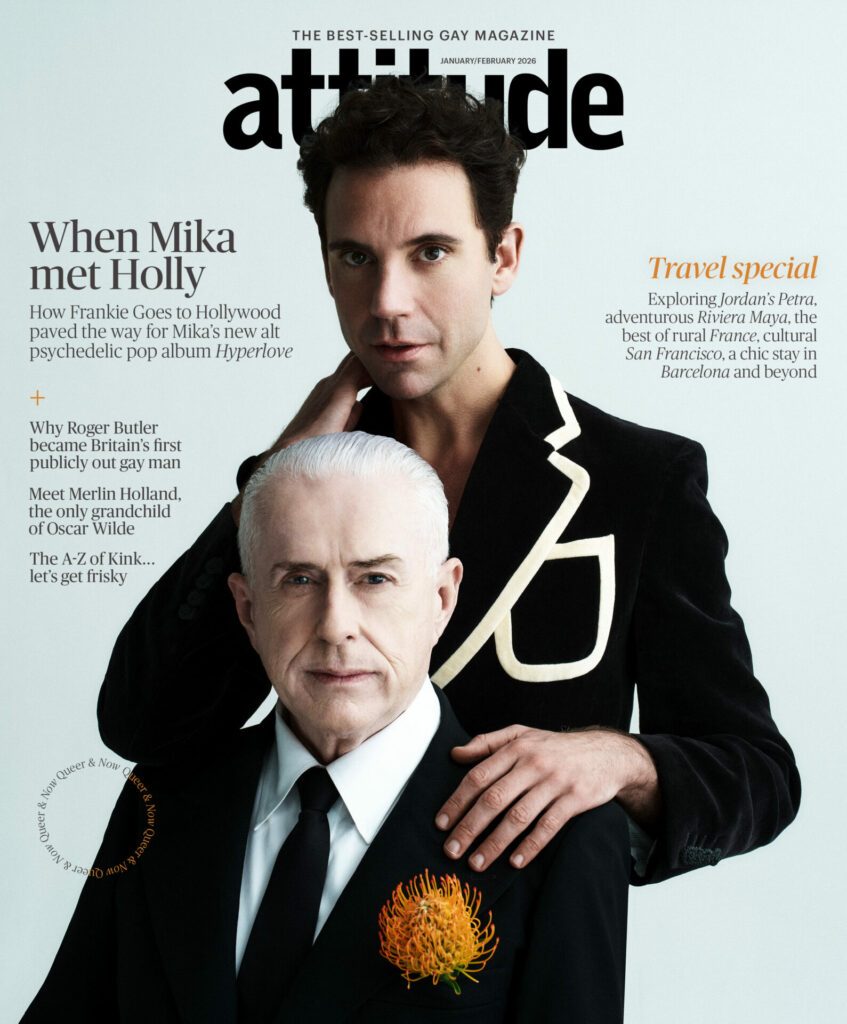
New book The Light of Day shines an overdue spotlight on Roger Butler, one of the first men to come out publicly as gay, via an open letter to the UK press in 1960. It was a radical act, seven years before the partial decriminalisation of homosexuality. In Attitude’s January/February 2026 issue, we speak to authors Christopher Stephens and Louise Radnofsky about Butler’s bravery
“Sir, –We are homosexuals and we are writing because we feel strongly that insufficient is being done to enlighten public opinion on a topic which has for too long been shunned.”
So began the historic “coming out” letter which was published in full in the Spectator in June 1960 and was co-signed by three publicly gay men: Raymond Gregson, Robert Moorcroft and Roger Butler.
The letter was the idea of Butler, who is the subject of new book The Light of Day. He had joined the Homosexual Law Reform Society and went to its first public meeting in May 1960 at Caxton Hall. Although the society’s straight patrons were arguing for decriminalisation of homosexuality, Butler was angered by their negative narrative about gay men. At the meeting, the editor of the New Statesman offered to keep publishing letters from homosexuals under pseudonyms. Incensed by the inference that gay men should be ashamed of who they are, Butler came up with the idea to write an open letter.
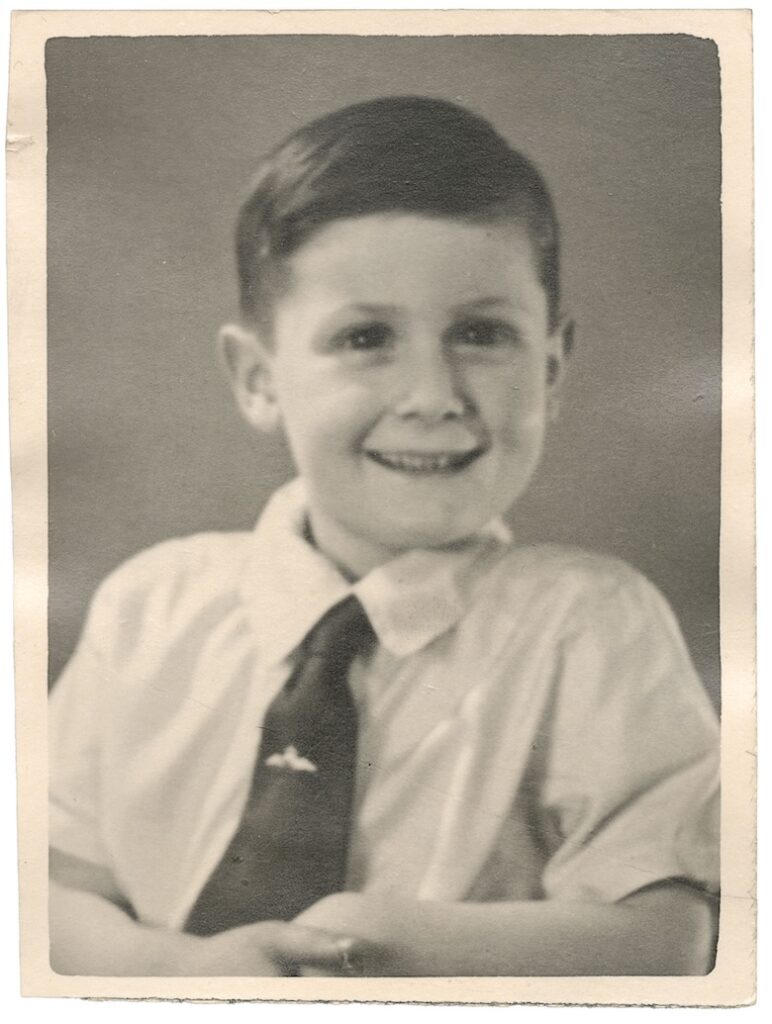
The Light of Day co-author Louise Radnofsky takes up the story: “He wrote it and went round everyone he knew in the Homosexual Law Reform Society, begging people to sign, and nobody would except these two friends of his.”
While many before the trio were technically “out”, whether by living in the “glass closet” or being publicly outed (or, in the case of Oscar Wilde, both), this is the first example of people voluntarily and unambiguously disclosing their identities to the entire country. “They are the first people, we would argue, to ‘come out’, ever,” says Radnofsky. And to think they did so with the specific intention of changing the law. Talk about bravery.
Extracts from the letter
“Over the past few years an enormous amount has been spoken and written about the homosexual situation. Most of it has been realistic and sensible, some has been vicious and singularly ill-informed. But whatever its form we welcome it, because we must welcome anything which brings this topic, for so long taboo, into open discussion. Only in this way can prejudice, which is fear born of ignorance, be overcome.”
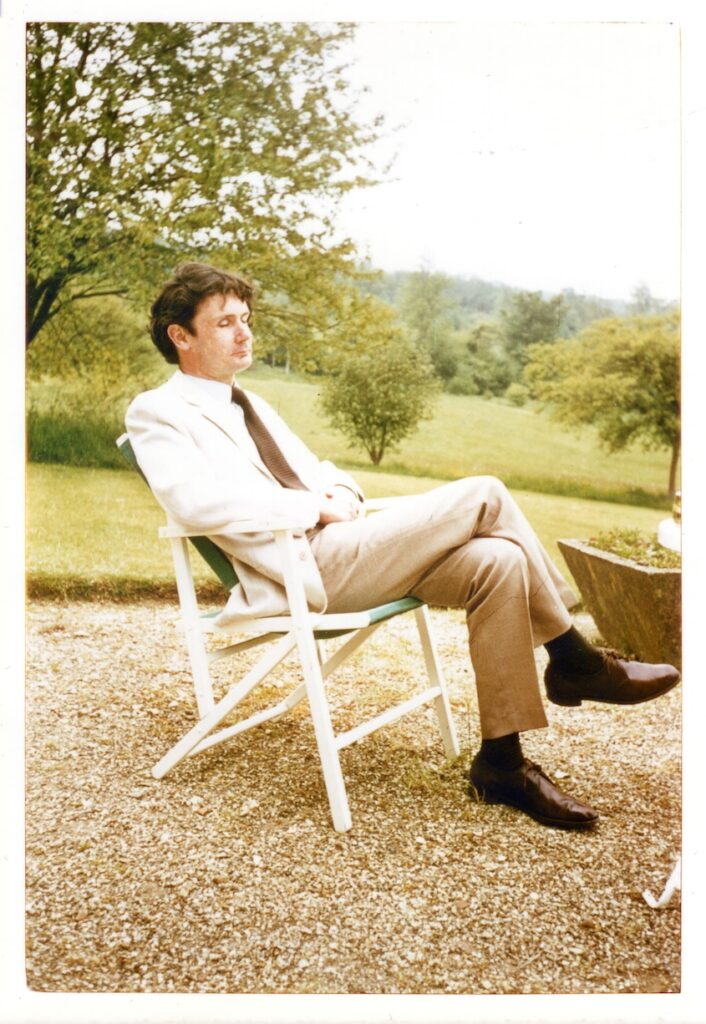
“We who sign this letter are anxious to do everything in our power to bring about better general understanding of our situation; it is often called a problem, but is only a problem because of the prevailing attitude towards it and because of the ludicrous law which encourages such an attitude and hinders every attempt to overcome it. The reform of this law, which has often brought more discredit to the police than to homosexuals, is, of course, inevitable, and we can only hope that the Government will soon have the courage to realise and accept this.
“Much can, and must, be done now by homosexuals like ourselves towards breaking through the barrier of public prejudice”
“Even so, reform, though essential, is only a first step; there will remain the much larger and longer task of dissolving the centuries of accumulated and deeply ingrained misconception. We are under no illusions that this can be effected overnight, but we believe fervently that much can, and must, be done now by homosexuals like ourselves towards breaking through the barrier of public prejudice.”
“We will leave the last word to Dr. Sherwin Bailey, who, in a book published under the auspices of the Church of England Moral Welfare Council, wrote: ‘Education alone can remove the irrational prejudice which persists in some quarters against those handicapped by inversion… despite the imputations of the ignorant or malicious, there is nothing sinful or disgraceful in being homosexual.’”
Although the letter was also sent to the Telegraph and the Guardian, aside from the Spectator, only the New Statesman printed it — in extract form. It reached hundreds of thousands of people. “The big, respectable papers with letters pages — in the 60s, this is where people went to have public debates,” explains Radnofsky.
“Roger’s letter was shifting things to say: ‘This is about me. This is about human beings'”
“For several months afterwards, people wrote in to the Spectator and the New Statesman responding to the letter and responding to each other’s responses,” explains co-author Christopher Stephens. “There’s some really fascinating stuff in that. People wanted to think about how this related to those big issues dominating mainstream discourse at the time: ‘What are the “causes” of homosexuality?’ ‘How might it be “cured”?’ Whereas, actually, Roger’s letter was shifting things to say: ‘This is about me. This is about human beings.’”
A few weeks later, off the back of the letter, Butler, Gregson and Moorcroft were invited to a discussion about homosexuality hosted by the Sunday Pictorial, the predecessor of the Mirror. “A round table of straight supporters of the Homosexual Law Reform Society, and a Tory MP opposed to decriminalising homosexuality, they hash it out together,” says Radnofsky. “But that’s only possible because Roger had made clear he was comfortable with being the gay man who would sit around a table and have these conversations as a ‘self-confessed homosexual’.” And so, the starting gun for the journey towards partial decriminalisation of homosexuality in 1967 was shot.
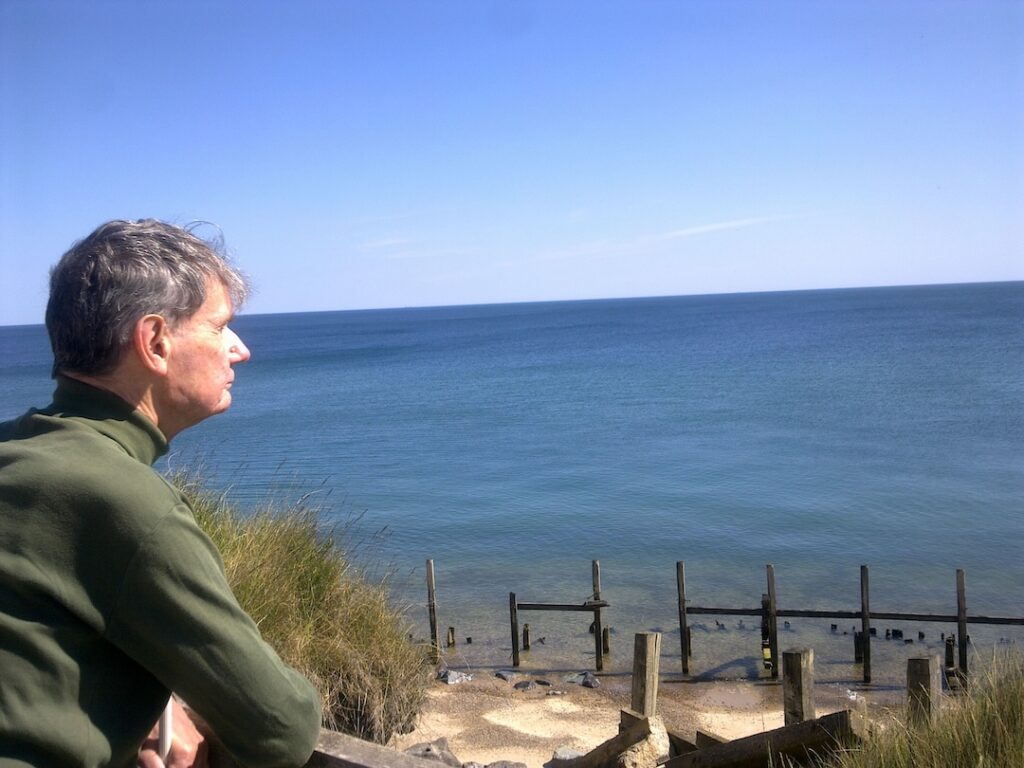
Butler left his memoirs, letters and essays to Stephens after his death in 2011
As a friend of Butler’s, Stephens is able to offer a first-hand account of his story. They met when Stephens volunteered to read to Butler, who went blind in his thirties, while he was a student at Oxford University. After a years-long friendship, which Stephens describes as “very close and complicated”, Butler left his memoirs, letters and essays to Stephens after his death in 2011 with a request that he do something with them.
This is an excerpt from a feature appearing in Attitude’s January/February 2026 issue.
Subscribe to Attitude magazine in print, download the Attitude app, and follow Attitude on Apple News+. Plus, find Attitude on Instagram, Facebook, TikTok, X and YouTube.